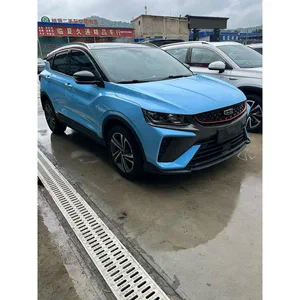
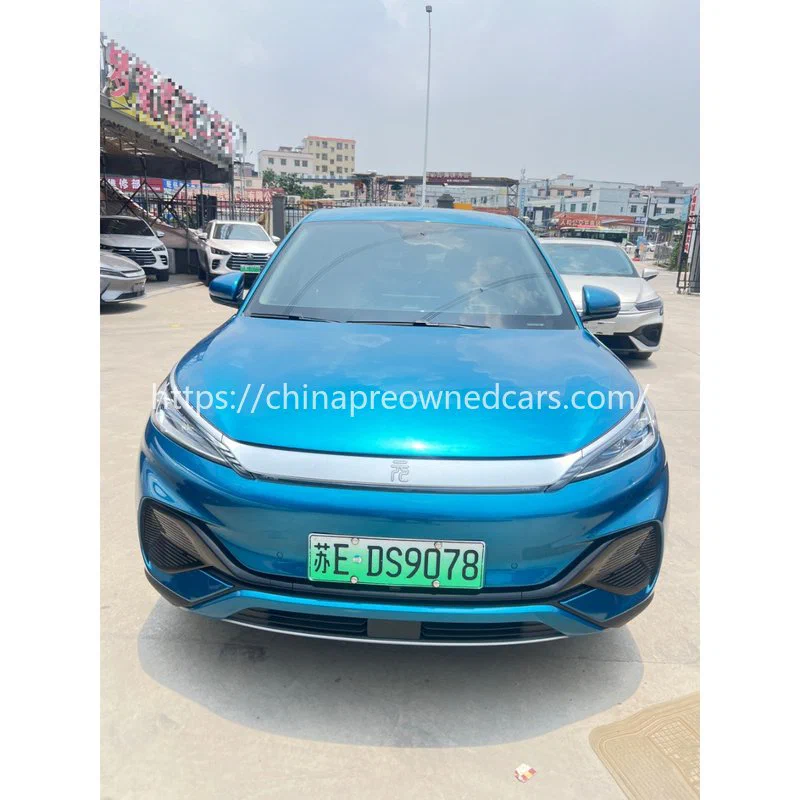
The BYD Atto 3 represents an appealing option for buyers in Africa, particularly in markets like Ghana and Nigeria. This electric SUV meets the demand for left-hand drive vehicles while also addressing the growing emphasis on environmentally friendly transportation. The Atto 3 features a spacious interior, advanced safety systems, and a commendable range, making it suitable for urban and rural conditions alike.
In terms of export logistics, understanding the shipping options is crucial. Two primary methods are RoRo (Roll-on/Roll-off) and container shipping. RoRo is often more cost-effective and simplifies loading and unloading at ports, which can be advantageous for vehicles like the BYD Atto 3. However, it carries a higher risk of damage during transit due to exposure. Container shipping, while generally more secure, can be more expensive and might limit the number of vehicles shipped at once. Buyers should weigh these factors based on their budget and risk tolerance.
The vehicles must also comply with varying import regulations. For instance, many African countries have age limits and emission standards that can differ significantly. While the BYD Atto 3 aligns with the increasing push for electric vehicles, buyers should verify specific requirements for their destination. Import duties can also affect overall costs, and it’s essential to have a clear understanding of the documentation needed for customs clearance.

Climate and road conditions in countries like Uganda and Tanzania further influence vehicle selection. The Atto 3, designed for urban environments, may not perform optimally in rugged terrains without proper infrastructure. Buyers should consider local charging infrastructure as well. While electric vehicle adoption is growing, it is critical to ascertain the availability of charging stations in their area.
Prioritizing verification of vehicle condition and battery health is vital before purchase. A comprehensive pre-shipment inspection ensures that the vehicle meets both quality and safety standards. Buyers should obtain detailed reports on battery state-of-health, as this is crucial for electric vehicles. Payment terms should be clear and agreed upon before finalizing any transactions to avoid misunderstandings.
Shipping lead times typically range from 15 to 25 days, depending on logistics and destination ports. Buyers must also account for after-sales support, which can vary by exporter. Engaging with a reputable exporter ensures better service and follow-up after the sale.
FAQ
Q: What is the typical shipping time for vehicles to Africa?
A: Shipping lead times usually range from 15 to 25 days, depending on the logistics and destination port.
Q: What should I verify before purchasing a vehicle?
A: Buyers should verify the vehicle’s condition, battery health, and ensure a comprehensive pre-shipment inspection is conducted.