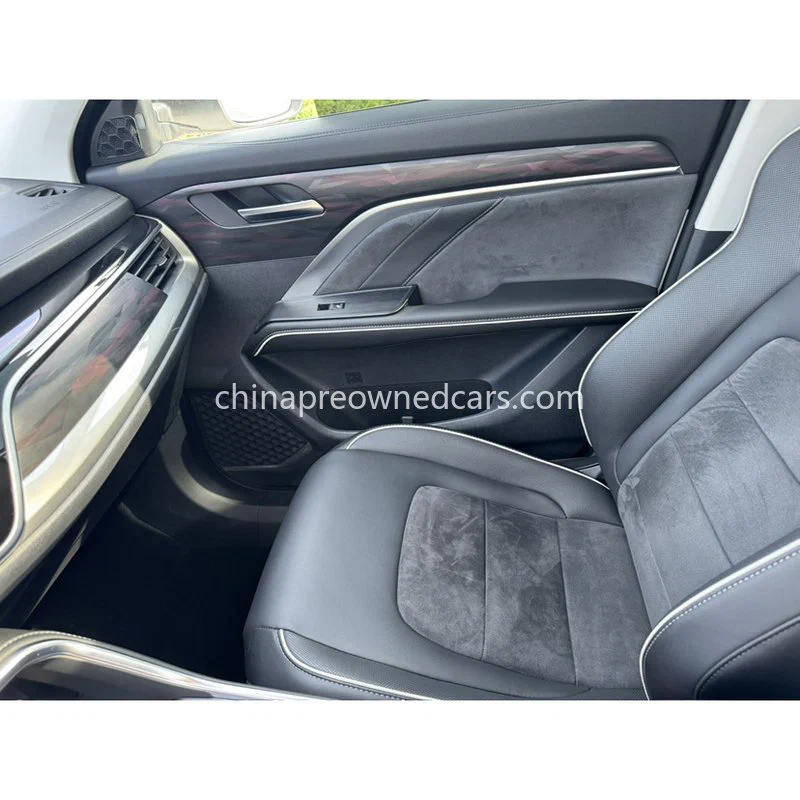
Exporting a used vehicle from China to West Africa involves several stages, from vehicle selection and pre-shipment inspection to customs clearance, ocean freight and destination port handling. For buyers sourcing affordable pre owned cars for sale, understanding these steps helps with budgeting, shipment planning and avoiding documentation problems. The main shipping options are roll-on/roll-off (RoRo) and container freight, each with different cost and handling considerations.
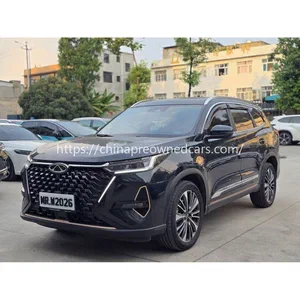
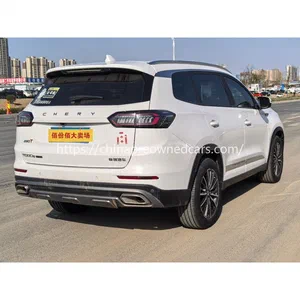
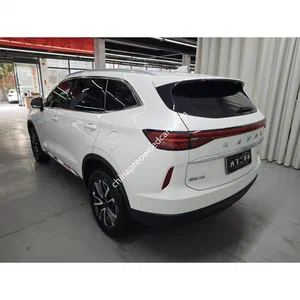
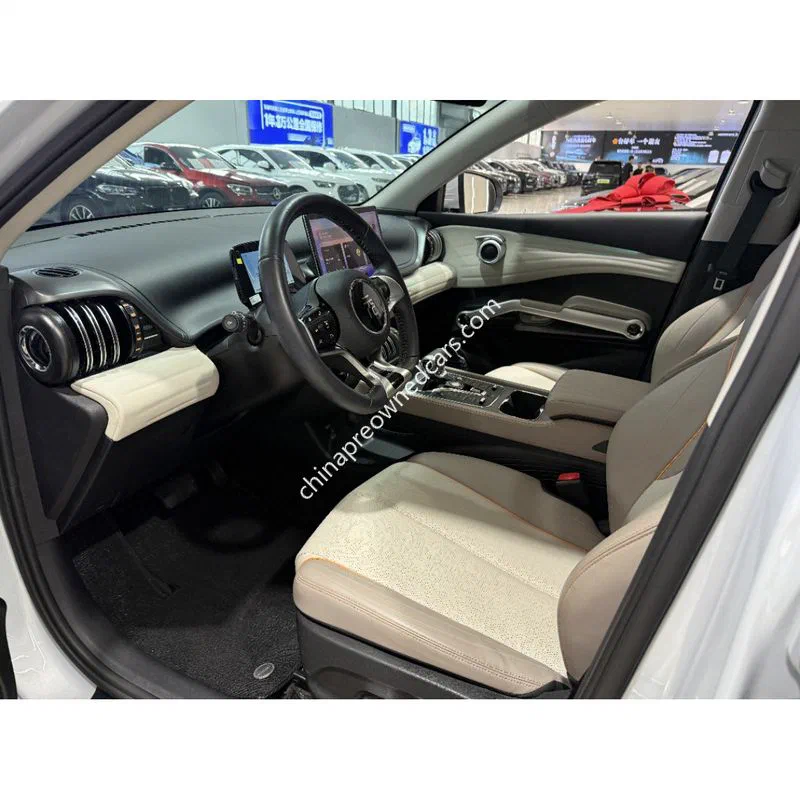
The process begins with vehicle selection and a pre-shipment inspection in China. Models such as the BYD Atto 3, Chery Tiggo 7 Plus, Chery Tiggo 8 Pro, Geely Coolray and Haval H6 can be sourced according to the buyer’s requirements and destination market. Before shipment, the vehicle should undergo checks covering its VIN, odometer reading, engine or electric drive system, transmission, brakes, steering, tyres, lights and body condition. Electric vehicles also require battery condition assessment, including available state-of-health information and checks for visible damage. Inspection findings should be documented with photographs and a written report. Any certification or inspection document required by the importing country must be confirmed before the vehicle leaves China. An inspection report does not automatically establish compliance with every destination rule. Buyers should also verify left-hand-drive compatibility, vehicle age restrictions and applicable emission requirements for Ghana, Nigeria, Kenya, Uganda or Tanzania before confirming the purchase.
After inspection and purchase confirmation, the exporter prepares the documents needed for customs clearance and ocean transport. China’s used vehicle exports require the appropriate export licensing, customs declaration and pre-shipment inspection procedures. The document package commonly includes a commercial invoice, vehicle identification details, export customs declaration, certificate of origin and shipping instructions. A bill of lading is issued by the carrier after the vehicle has been received for shipment. It records essential transport information, including the vessel, shipment parties, loading port and destination port. Buyers should check that the VIN, consignee details and vehicle description match across the relevant documents. Errors can delay customs processing or cargo release. The certificate of origin identifies the vehicle’s country of origin, while the commercial invoice supports the transaction and customs valuation. Payment arrangements should specify when the vehicle balance, freight charges and other export costs become payable. Marine insurance should also be discussed before loading. Its coverage, exclusions and claims procedure matter, particularly where damage occurs during ocean transport or port handling.
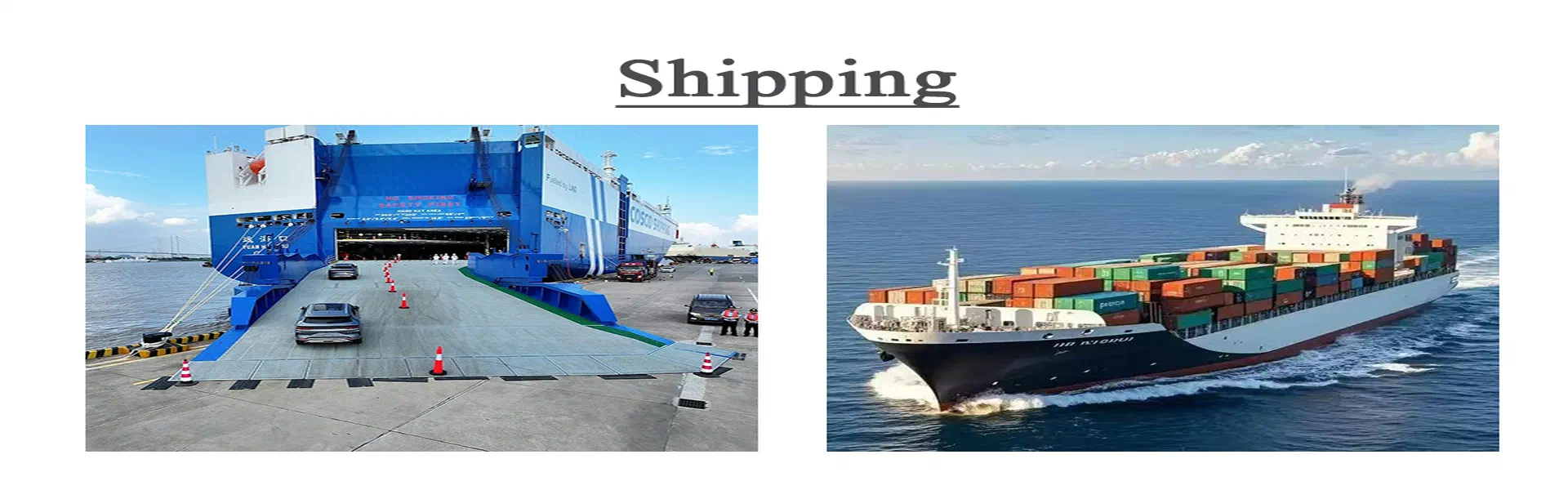
RoRo and container shipping serve different transport requirements. With RoRo, vehicles are driven onto a specialised vessel and secured in designated vehicle decks. This option is generally suitable for operational vehicles that meet the carrier’s acceptance conditions. It often costs less than dedicated container transport, although sailing schedules and available routes can affect the final freight rate. Vehicles are exposed to more shared port and vessel handling, so buyers should understand the carrier’s procedures for access, securing and condition recording. Container shipping places the vehicle inside a sealed freight container, offering greater protection from weather and some external handling risks. It can suit higher-value vehicles, non-running units where accepted, or shipments requiring additional equipment and spare parts. However, container freight involves loading, securing, unloading and possible handling charges. Vehicle dimensions, container capacity and weight restrictions must be checked before booking. Freight rates depend on vehicle size, shipping method, departure port, destination port, seasonal demand, fuel-related surcharges and insurance arrangements. A freight quotation should clearly separate ocean freight from origin handling, documentation, loading and destination charges.

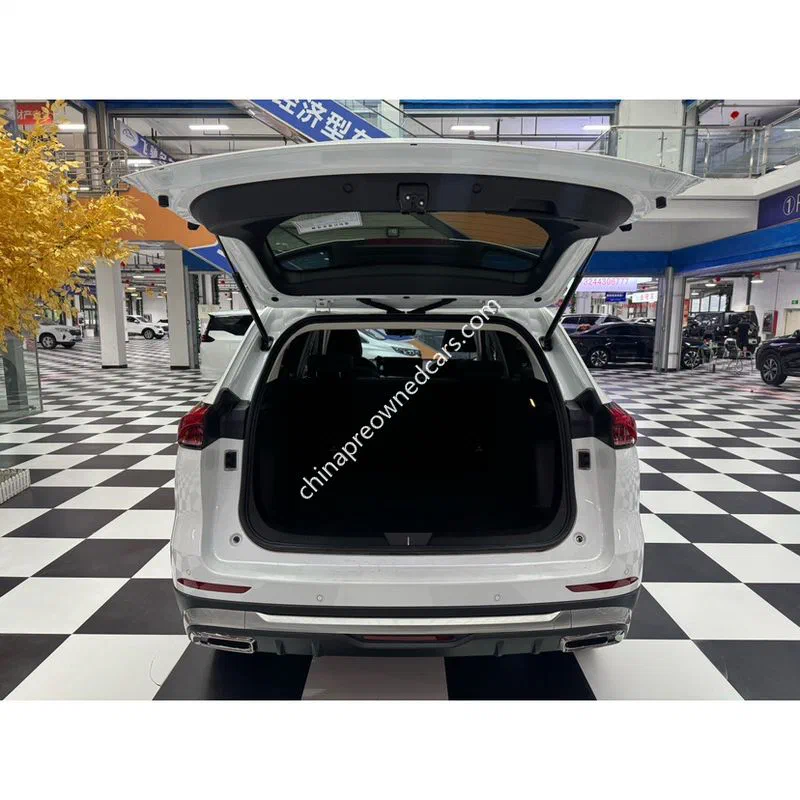
Once the vehicle reaches the departure port, it passes through export terminal procedures before loading onto the vessel. Port handling includes cargo acceptance, document verification, vehicle identification checks and movement into the designated loading area. Transit time to West African ports depends on the sailing route, vessel schedule, transshipment requirements and congestion at intermediate or destination ports. Buyers should request an estimated shipping window rather than treat a booking estimate as a guaranteed arrival date. After arrival, the destination agent or consignee receives the arrival notice and uses the bill of lading and other required documents to arrange cargo release. Local customs declaration, duties, taxes, inspection requirements and port charges are handled according to the importing country’s current regulations. Storage and demurrage costs may arise if documents or payments are delayed. Before shipment, buyers should confirm who is responsible for destination clearance, inland transport and terminal fees. For Ghana and Nigeria, as well as Kenya, Uganda and Tanzania, the importer should verify current vehicle eligibility and clearance procedures with the relevant authorities or a licensed local clearing agent. A clear allocation of responsibilities helps prevent unexpected charges after the vessel arrives.
FAQ
Q: Is RoRo or container shipping better for used cars from China?
A: RoRo is generally more economical for operational vehicles, while container shipping offers additional protection from weather and external handling. The right choice depends on vehicle condition, dimensions, cargo value and the available shipping route.
Q: What documents are needed to export a used car from China?
A: Common documents include the commercial invoice, export customs declaration, certificate of origin and bill of lading, alongside applicable export licensing and inspection documents. Destination authorities may require additional paperwork.
Q: How long does shipping from China to West Africa take?
A: Transit time depends on the destination port, vessel schedule, route and possible transshipment. Buyers should obtain a shipment-specific estimate and allow additional time for customs clearance and port release.