Exporting a used vehicle from China to West Africa involves more than arranging ocean freight. Buyers need to confirm the vehicle’s condition, complete export documentation, select a suitable shipping method, and prepare for customs clearance at the destination port. Each stage affects the shipment’s cost, timing, and release process.
1. Pre-shipment inspection and export documentation
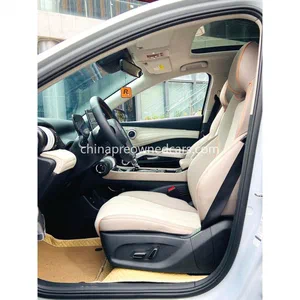
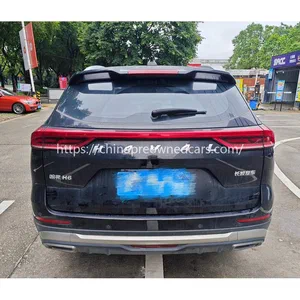
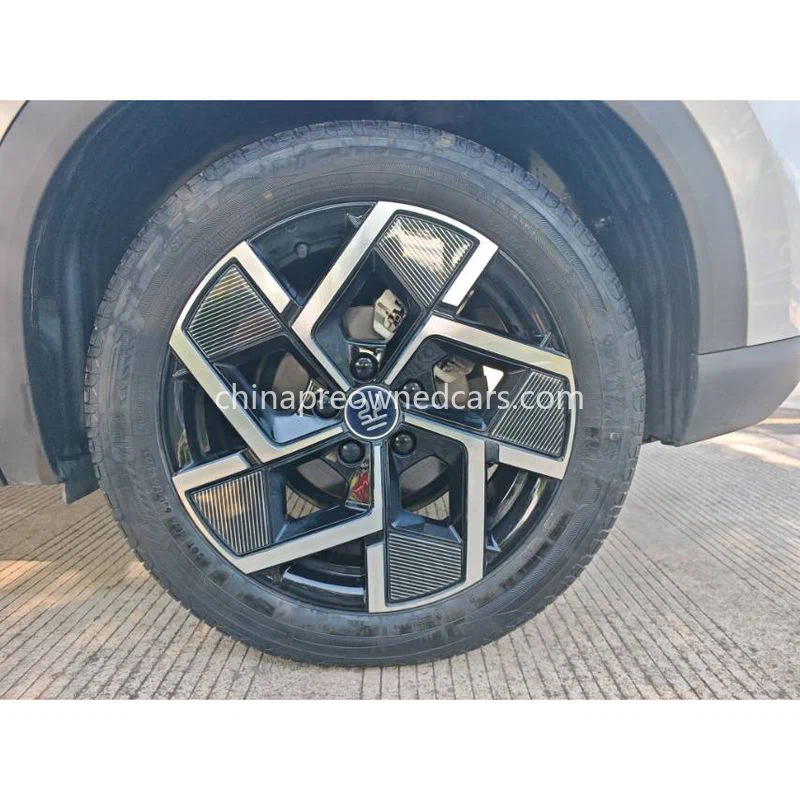
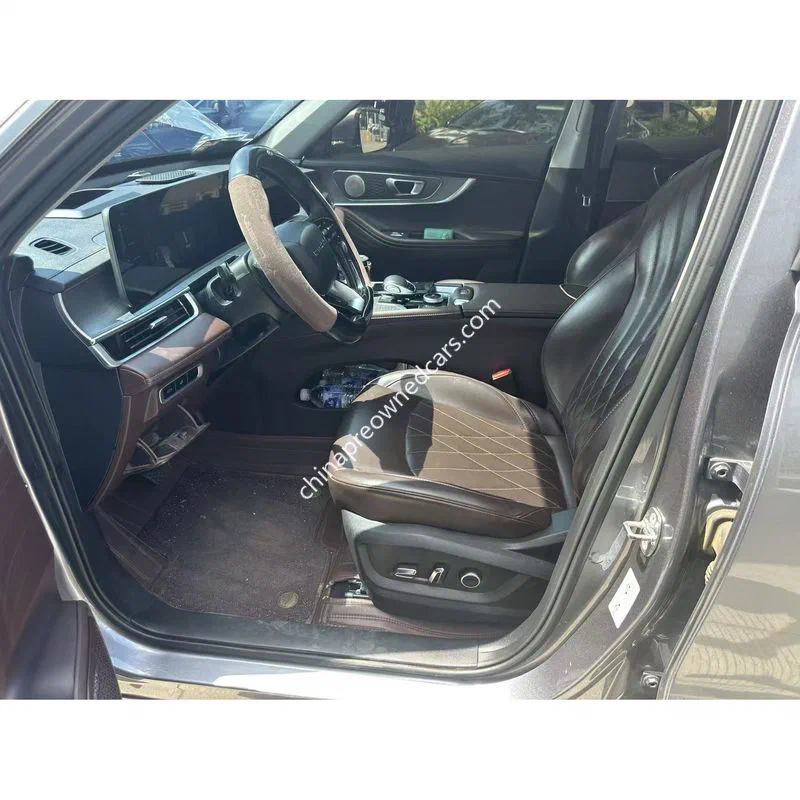
The process begins with vehicle selection and verification. For buyers considering a used buy from China, the exporter should confirm the vehicle identification number (VIN), registration details where available, model specification, odometer reading, and available service history. The inspection should also record visible body damage, paint repairs, tyre condition, cabin wear, warning lights, and evidence of previous accident repairs.
Mechanical checks depend on the vehicle and the inspection scope. These may cover the engine, transmission, brakes, steering, suspension, electrical systems, and diagnostic fault codes. For electric and hybrid vehicles, the assessment should include battery state of health where measurable, charging operation, battery warnings, and relevant diagnostic information. An inspection report should distinguish observed defects from items that could not be tested. A pre-shipment inspection report is not automatically a government certificate; any mandatory inspection or certification must be confirmed against the applicable export and destination requirements.

After inspection and acceptance, the exporter prepares the export file. Common documents include the sales contract or commercial invoice, packing list where applicable, export licence or other required export authorisation, customs declaration, and transport booking records. A certificate of origin may be required or requested by the importer, customs broker, or destination authority. Its availability and issuing procedure should be confirmed before shipment rather than assumed.
The document details must agree. The VIN, vehicle description, consignee information, declared value, and shipping particulars should be checked across the relevant records. Inconsistent information can delay customs processing or create difficulties when the vehicle arrives. China-side export procedures include the required licensing, customs declaration, and applicable pre-shipment inspection arrangements.
2. RoRo or container shipping to West Africa
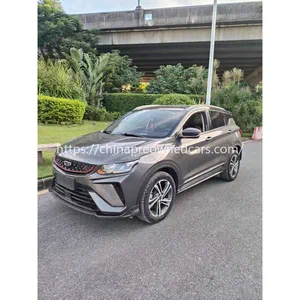
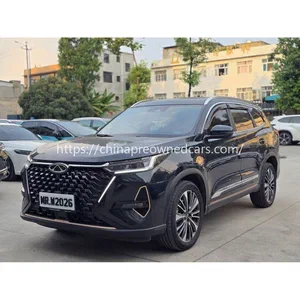
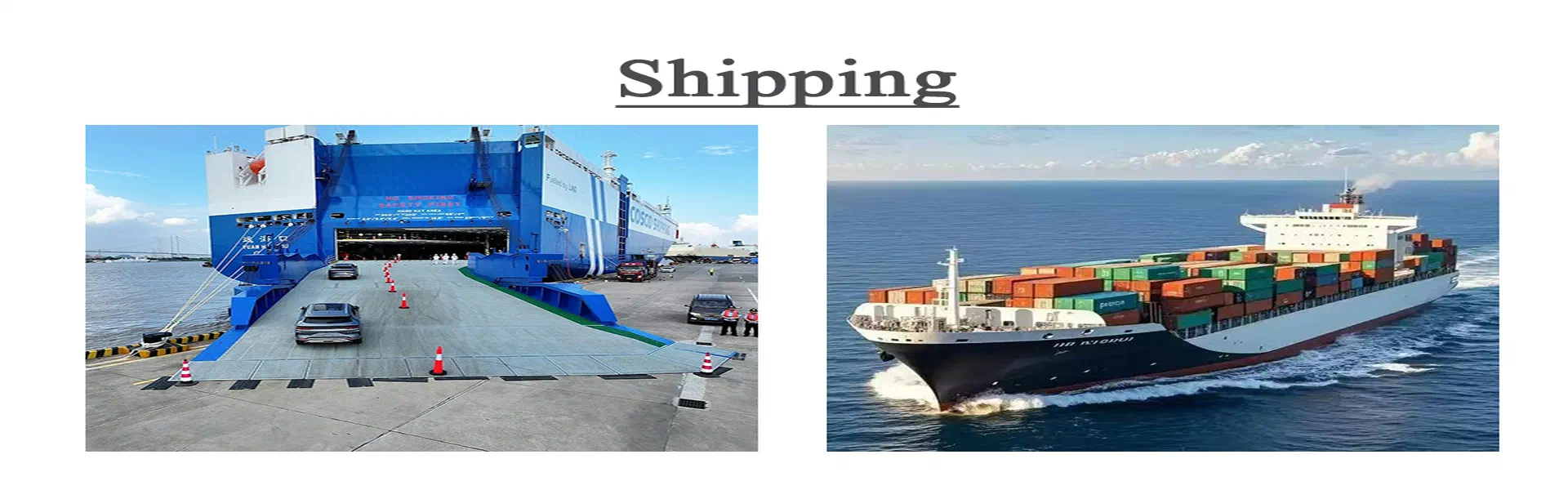
RoRo (roll-on/roll-off) shipping carries vehicles aboard a vessel designed for wheeled cargo. Vehicles are driven or moved onto the ship and secured in designated spaces. This method can suit standard, operational SUVs when the carrier accepts the vehicle and the sailing schedule meets the buyer’s needs. It avoids the need to load each vehicle into an individual container, although availability depends on the route and carrier.
Container shipping places the vehicle inside a shipping container, usually with securing equipment to limit movement during transit. It can suit vehicles that require enclosed transport or shipments where container space and loading arrangements are commercially practical. Loading requires appropriate access, clearance, securing points, and handling equipment. Non-running vehicles may need special arrangements. A container does not eliminate damage risk: inadequate securing, moisture, or movement during transit can still cause problems. RoRo vehicles may also be exposed to handling risks, so neither method guarantees damage-free delivery.
The freight comparison should cover the complete shipment rather than the headline ocean rate alone. Costs vary with vehicle dimensions, route, carrier capacity, port charges, documentation, container availability, loading requirements, and seasonal demand. Container quotations may include equipment and handling charges that are not directly comparable with RoRo rates. Buyers should request a written breakdown showing which origin charges, ocean freight, terminal fees, and destination charges are included.
Marine cargo insurance should be considered separately from the freight booking. Buyers need to check the insured value, covered risks, exclusions, deductible, claims procedure, and whether loading, unloading, and storage are covered. The policy wording matters. Carrier liability is not necessarily equivalent to comprehensive cargo insurance, and damage should be documented promptly under the applicable claims procedure.
3. Port handling, transit planning, and vehicle release
Once the vehicle is accepted for shipment, the exporter coordinates port delivery, export customs clearance, carrier documentation, and vessel loading. The booking confirmation establishes the planned sailing, but actual departure depends on cut-off compliance, terminal acceptance, customs release, and vessel operations. Transit to West African ports varies by destination, routing, transshipment requirements, and carrier schedules. A direct service, where available, may have a different schedule from a shipment routed through an intermediate port.
Buyers should distinguish ocean transit time from the full export-to-release timeline. Vehicle preparation, inspection, document correction, port handling, vessel waiting time, transshipment, and destination clearance all add time. A quoted transit estimate is not a guaranteed arrival date. Before payment, request the proposed route, estimated sailing window, expected transit range, and process for receiving shipment updates.
After loading, the carrier or its agent issues the bill of lading according to the shipment arrangement. This document records the carriage details and serves as evidence of the contract of carriage; depending on its form, it may also function as a document of title. Buyers should check the shipper, consignee, notify party, vehicle description, and destination port. Original bills of lading, surrendered bills, or electronic release arrangements have different handling requirements, so the release method must be agreed in advance.
At destination, the carrier or local agent issues arrival information and advises on document presentation, terminal procedures, and applicable charges. The importer or appointed customs broker then handles the required entry, valuation, duties and taxes, inspection, and release formalities under current local rules. Ghana, Nigeria, Kenya, Uganda, and Tanzania each have their own import requirements, which may cover vehicle age, emissions, roadworthiness, drive side, and supporting documents. Most Chinese domestic-market vehicles are left-hand drive, so buyers should verify local eligibility before confirming a purchase.
Port storage and demurrage can increase costs when documents are incomplete or clearance is delayed. The importer should arrange a customs broker before the vessel arrives, confirm payment deadlines, and establish who will collect the vehicle after release. For electric and hybrid SUVs, the buyer should also check whether battery-related transport documents or local handling procedures apply. A clear allocation of responsibilities between exporter, carrier, broker, and importer reduces avoidable delays.
FAQ
Q: Which documents should a buyer request before a used vehicle leaves China?
A: Request the inspection report, vehicle identification details, commercial invoice or sales contract, applicable export documentation, and confirmation of the planned shipping method. The bill of lading is issued in connection with carriage and should be checked when available.
Q: Is RoRo or container shipping better for a used SUV going to West Africa?
A: RoRo may suit an operational SUV when a suitable sailing is available, while container shipping offers enclosed carriage and may fit particular loading or shipment requirements. Compare the complete freight and port charges, insurance terms, route, and handling arrangements before deciding.
DESCRIPTION:: Learn how used vehicles move from China to West African ports, including inspection, export documents, RoRo and container freight, insurance, and port clearance.