When purchasing second-hand vehicles, particularly Isuzu models, overseas buyers should approach the process with caution and thoroughness. Ensuring that the vehicle meets both personal expectations and the destination country’s import regulations is critical. This article outlines essential aspects to consider, including vehicle verification, export logistics, and documentation, to facilitate a smooth purchasing experience.
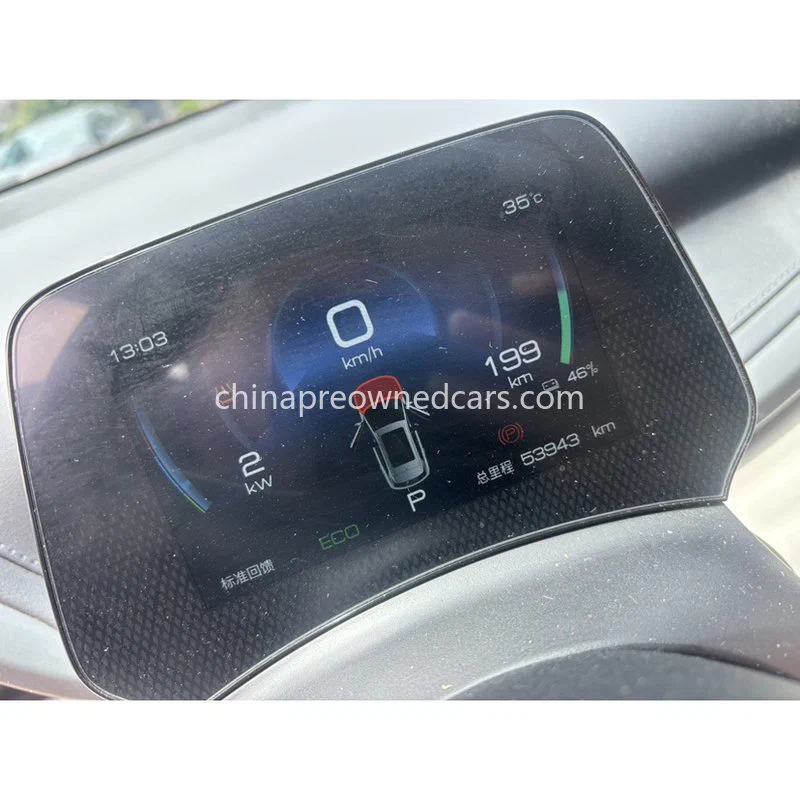
Buyers should start by verifying the vehicle’s condition. Key details include mileage, service history, and any accident records. For electric models, battery health is crucial and should be checked through specific diagnostic reports. Additionally, the vehicle’s Vehicle Identification Number (VIN) should be authenticated to ensure it matches the vehicle’s documentation and history. These steps help avoid potential pitfalls associated with hidden damages or discrepancies.
Documentation is another critical area for buyers to address. Requesting the pre-shipment inspection report is essential, as it provides a detailed account of the vehicle’s condition before shipping. Buyers should also ensure that the exporter has a valid export license and that all customs clearance paperwork is in order. This documentation is necessary for smooth customs processing upon arrival in the destination country.
Selecting a credible exporter is vital. Buyers should research the exporter’s reputation by checking reviews and asking for references from previous clients. It is also prudent to inquire about their experience with the specific vehicle models, such as second hand cars Isuzu. A reliable exporter will provide transparency regarding their sourcing process and after-sales support, which is important for any issues that may arise post-purchase.
Payment terms can vary significantly among exporters. Common methods include bank transfers or letters of credit, but buyers should clarify the terms upfront. Understanding the payment structure can help prevent misunderstandings later in the transaction. It is advisable to avoid any exporters who require full payment before the buyer has had the opportunity to inspect the vehicle.
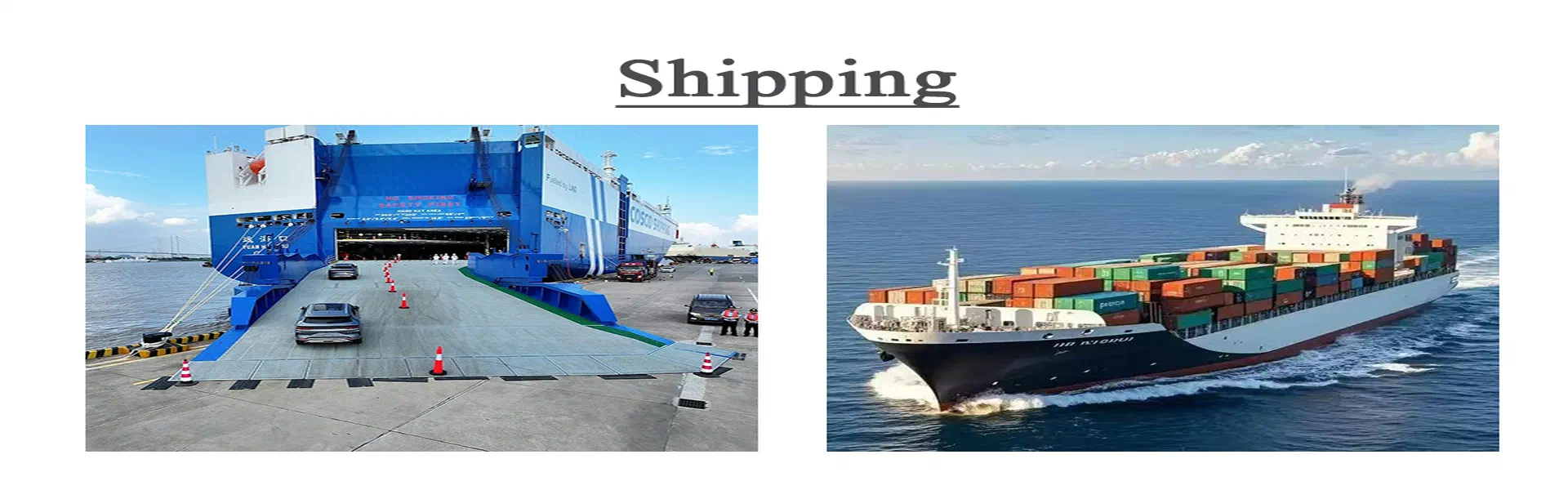
Shipping logistics play a significant role in the export process. Buyers have options between Roll-on/Roll-off (RoRo) and container shipping. RoRo is generally less expensive and allows for quicker loading times, but it carries a higher risk of damage due to exposure during transit. Container shipping offers better protection for the vehicle but can be more costly. The choice will depend on budget and the importance of vehicle protection during shipping.
Transit times to West African ports, such as those in Ghana and Nigeria, can vary based on shipping methods and routes. Typically, RoRo shipping takes around 15 to 25 days, while container shipping may require additional time for loading and unloading. Buyers should also consider marine insurance to protect their investment during transit. A bill of lading will be provided, serving as proof of shipment and details of the vehicle’s condition.

Upon arrival at the destination port, the vehicle must undergo customs clearance. Buyers should be aware of local import regulations, which often include age limits, emission standards, and compliance with local driving laws. Most vehicles exported from China are left-hand drive, which may not be suitable for every market. Confirming these details with local authorities is essential to avoid complications during clearance.
FAQ
Q: What should I verify before purchasing a second-hand Isuzu vehicle?
A: Buyers should check the mileage, service history, accident records, and authenticate the VIN, as well as assess battery health for electric models.
Q: What documentation is necessary for exporting a vehicle?
A: Essential documents include the pre-shipment inspection report, export license, and customs clearance paperwork.
Q: How do I choose a reliable vehicle exporter?
A: Research the exporter’s reputation through reviews, references, and their experience with specific vehicle models.