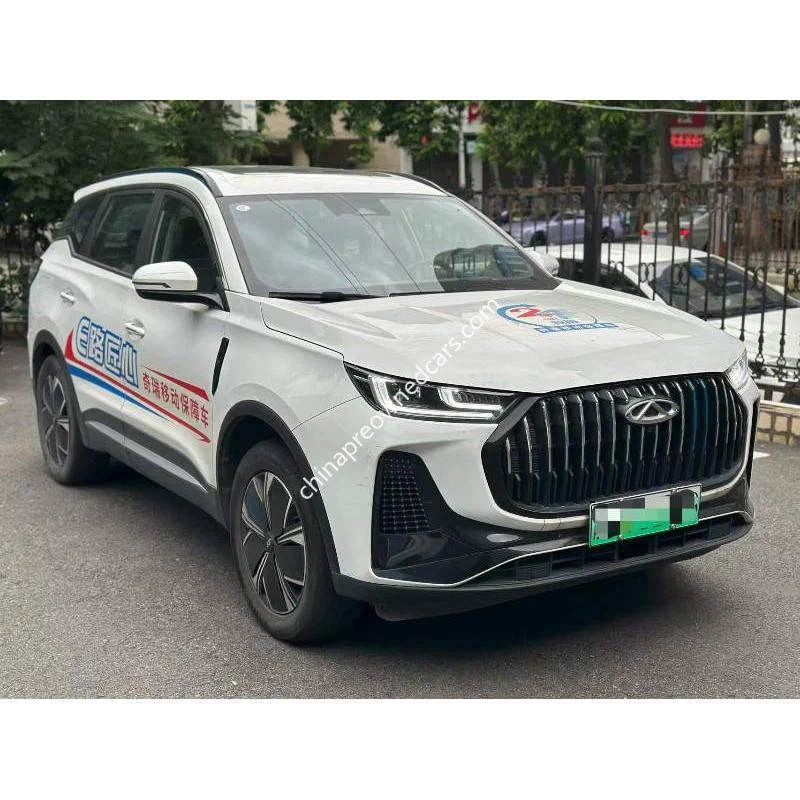
The process of purchasing a used car for under 5000 requires careful consideration and verification to ensure a satisfactory transaction. Buyers in markets such as Ghana, Nigeria, Kenya, Uganda, and Tanzania need to be well-informed about the vehicle’s condition, the necessary documentation, and the logistics of shipping from China. This article outlines essential checks for potential buyers, from verifying vehicle details to understanding shipping logistics.
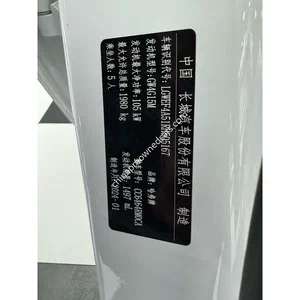
Before finalizing a purchase, it is crucial to verify key aspects of the vehicle. Buyers should check the mileage to assess wear and tear, review the service history for maintenance records, and inquire about any accident records. For electric vehicles, battery health is a critical factor that affects overall performance and longevity. Buyers should also confirm the authenticity of the Vehicle Identification Number (VIN) to ensure the vehicle is not stolen or misrepresented. These checks can help avoid costly surprises after the purchase.
Documentation is another vital aspect to consider when buying a used vehicle. Buyers should request a pre-shipment inspection report, which verifies the vehicle’s condition before it leaves the seller’s premises. Additionally, an export license is necessary for transporting the vehicle across borders, and customs clearance paperwork is crucial to avoid delays upon arrival in the destination country. Gathering these documents upfront can streamline the purchasing process and mitigate potential issues.
Selecting a reputable exporter is critical to a successful transaction. Buyers should conduct thorough research on the exporter’s credibility by reviewing customer testimonials and feedback. It is advisable to ask for references or case studies of previous transactions. Additionally, understanding the exporter’s payment terms—whether upfront payment, escrow services, or bank transfers—can provide clarity and security in the financial aspect of the deal.

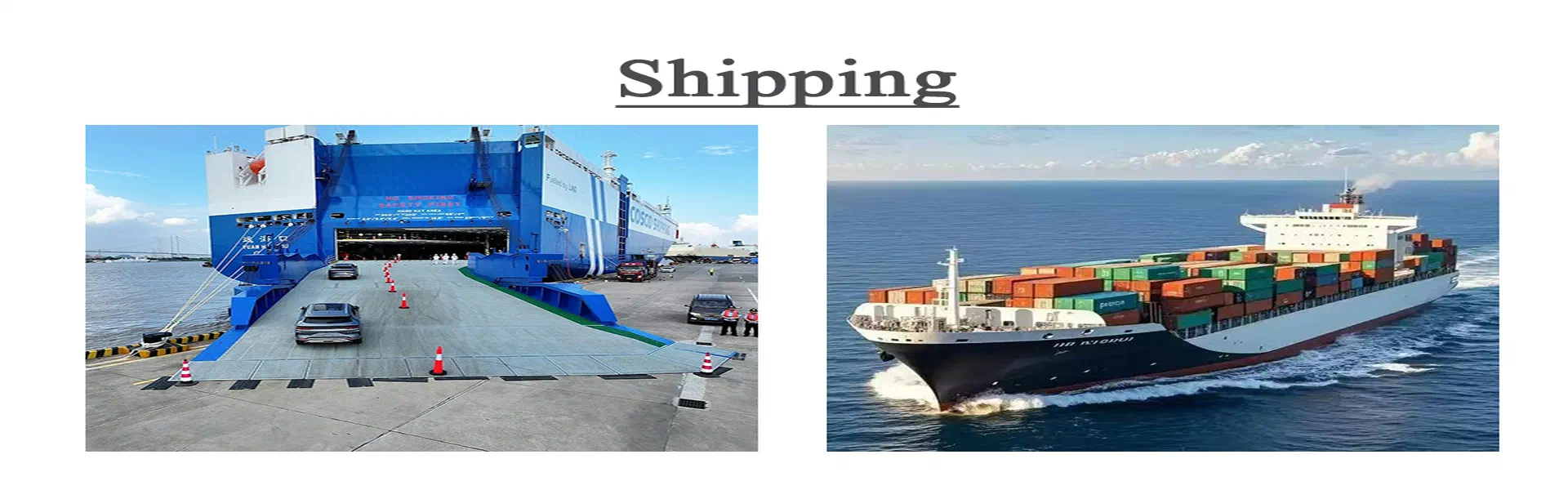
The logistics of shipping the vehicle also require careful consideration. Two primary methods are available: Roll-on/Roll-off (RoRo) shipping and container shipping. RoRo is generally more cost-effective but poses a higher risk of damage since vehicles are driven onto the ship. Conversely, container shipping offers better protection but may be more expensive and has loading constraints. Buyers should evaluate their priorities regarding cost versus the risk of damage when selecting a shipping method.
Transit times can vary significantly depending on the shipping method and the destination port. Typically, shipping a vehicle to West African ports may take 15-25 days. Buyers should also consider marine insurance to protect their investment during transit. It is essential to understand the terms outlined in the bill of lading, which serves as the shipping contract and receipt, ensuring that all parties are clear on their responsibilities.
Upon arrival at the destination port, several steps must be taken to clear customs. This process involves presenting the necessary documentation, paying import duties, and ensuring compliance with local regulations. Buyers should be aware of any additional inspections or requirements that may be specific to their country. Understanding these procedures can prevent delays and complications during the customs clearance process.
Lastly, after-sales support is an important consideration. Buyers should inquire about warranty options, service availability, and parts accessibility for the vehicle model. This support can prove invaluable in maintaining the vehicle and addressing any issues that may arise post-purchase.
FAQ
Q: What should I check before purchasing a used vehicle?
A: Verify the vehicle’s mileage, service history, accident records, battery health for electric vehicles, and VIN authenticity.
Q: What documents do I need to request from the exporter?
A: Request a pre-shipment inspection report, export license, and customs clearance paperwork to ensure a smooth transaction.