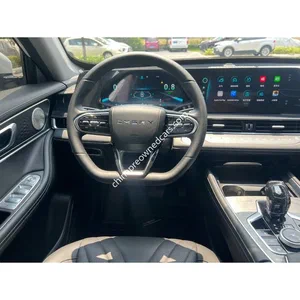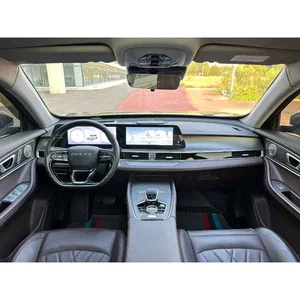
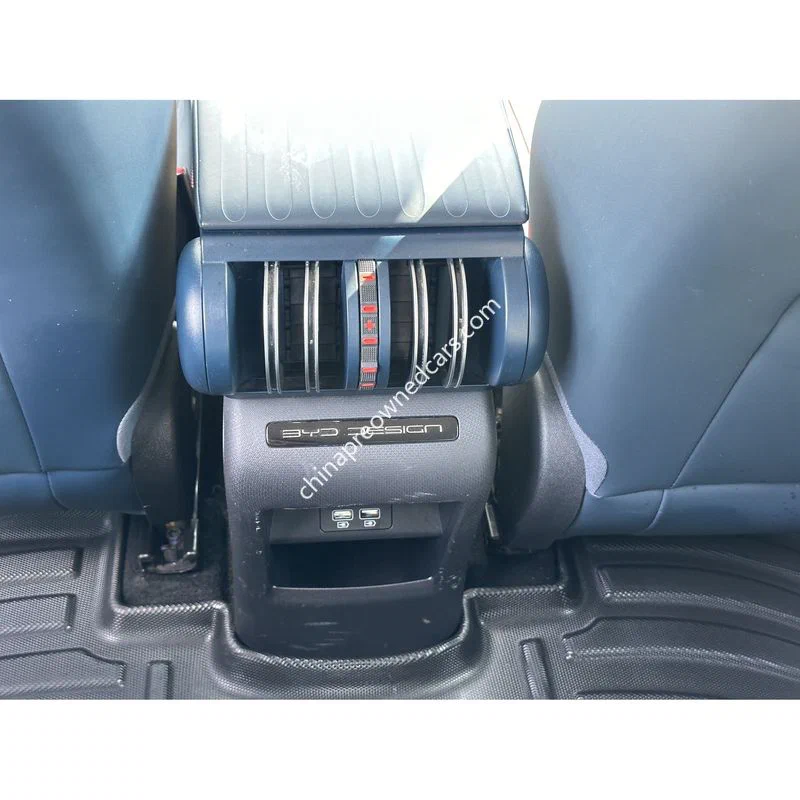
Vehicle selection for export requires an understanding of various factors that influence performance, compliance, and logistics. This article compares electric and hybrid SUVs from China, specifically focusing on the BYD Atto 3, Chery Tiggo 7 Plus, Chery Tiggo 8 Pro, Geely Coolray, and Haval H6. Each model offers distinct features, specifications, and suitability for markets in Africa, the Middle East, and South America.
Powertrain and Efficiency
The powertrain configurations of these SUVs significantly affect their appeal in different markets. The BYD Atto 3, for instance, is fully electric and offers a driving range that can surpass 400 kilometers on a single charge, making it suitable for urban areas with growing electric vehicle infrastructure. In contrast, the Chery Tiggo 7 Plus and Haval H6 feature hybrid systems that combine a gasoline engine with electric power, providing better fuel efficiency while maintaining performance. The Geely Coolray also offers a turbocharged gasoline engine, appealing to markets that prefer traditional combustion engines without the complexities of hybrid systems.
Emission Standards and Compatibility
When exporting vehicles, compliance with emission standards is crucial. Most African markets generally favor vehicles that meet Euro 4 or Euro 5 emissions standards, depending on the country. The BYD Atto 3, being an electric vehicle, inherently meets stringent emission requirements, making it an attractive option for environmentally-conscious buyers. The hybrid models, while offering lower emissions compared to their gasoline counterparts, still require verification of specific emissions compliance for the destination market. Buyers should confirm current regulations as they can vary significantly between countries like Ghana, Nigeria, and Kenya.
Drive Side and Configuration
Most vehicles in the current inventory are left-hand drive (LHD), which aligns with the majority of countries in the target markets. However, countries such as Nigeria may have specific preferences or regulations regarding right-hand drive vehicles. Understanding these preferences is essential for ensuring the vehicle’s usability upon arrival. Buyers should verify the drive side compatibility with local regulations to avoid issues during registration.
Parts Availability and After-Sales Support
Availability of parts and after-sales support is another critical consideration when exporting used vehicles. The Haval H6, for example, is known for its reliability and has a growing service network in various African countries, which can facilitate easier access to spare parts and maintenance. Conversely, while brands like BYD are gaining popularity, potential buyers should evaluate the local availability of parts and service centers. It’s advisable to check with local dealers or service providers to ensure adequate support for the selected model.
Shipping Logistics: RoRo vs. Container
Shipping logistics play a vital role in the export process. Two primary shipping methods are Roll-on/Roll-off (RoRo) and container shipping. RoRo is generally more cost-effective and allows for quick loading and unloading of vehicles. However, it carries a higher risk of potential damage due to exposure during transit. Container shipping, while more expensive, provides better protection for vehicles, especially for high-value models like the BYD Atto 3. Buyers should consider factors such as cost, transit time—typically around 15-25 days to West African ports—and the nature of the vehicle when choosing a shipping method.

Documentation and Customs Clearance
Proper documentation is essential for smooth customs clearance. Buyers need to ensure that all required export documentation, including the Bill of Lading, are correctly prepared and submitted. Pre-shipment inspections are mandatory for many countries, confirming the vehicle’s condition and compliance with local regulations. Buyers should familiarize themselves with the import requirements specific to their destination, as these can affect the overall cost and lead time of the vehicle purchase.
FAQ
Q: What should I verify before purchasing a used vehicle for export?
A: Buyers should check the vehicle’s condition, verify emissions compliance, and confirm drive side compatibility with local regulations.
Q: What are the typical shipping lead times for vehicles exported to West Africa?
A: Shipping lead times generally range from 15 to 25 days, depending on the shipping method and destination port.