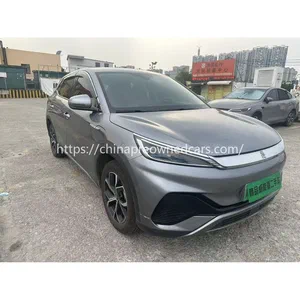
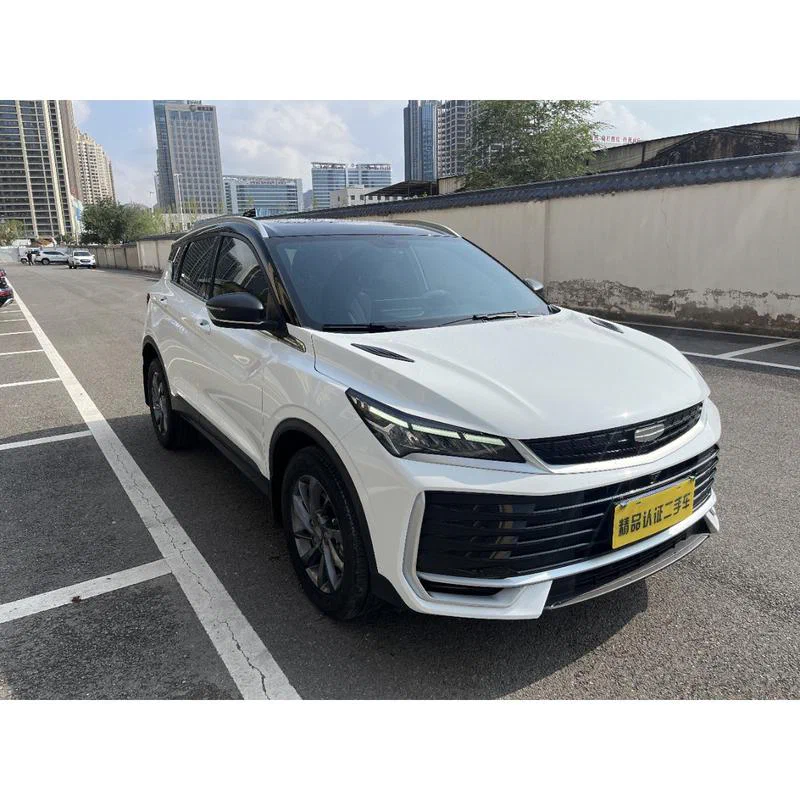
Electric vehicles (EVs) and hybrid vehicles present distinct advantages and challenges for importers in markets such as Africa, the Middle East, and South America. This article explores the critical factors influencing the choice between these two powertrains, including performance, emissions compatibility, and logistics considerations. It will also touch on models available for export, such as the BYD Atto 3 and Chery Tiggo 8 Pro.
Battery electric vehicles operate solely on electricity, producing no tailpipe emissions. In contrast, hybrids combine a gasoline engine with an electric motor, typically resulting in lower emissions than traditional vehicles but still producing some pollutants. Importers should evaluate local emissions standards, as many countries are tightening regulations on vehicle emissions. For instance, while both technology types can be compliant, hybrids may offer more flexibility in markets with stringent rules on vehicle age and emissions.

Range and fuel consumption are critical factors in this comparison. EVs usually have a limited range, often around 200-300 kilometers per charge, which could pose a challenge in regions lacking robust charging infrastructure. Hybrids, such as the Geely Coolray, can travel farther due to their gasoline engines, making them suitable for longer trips without the need for frequent charging. This aspect can be especially relevant in rural areas where charging stations are sparse.
Another important consideration is the availability of parts and services. Electric vehicles, especially newer models, may have limited service networks in emerging markets. Conversely, hybrids often benefit from the existing infrastructure of conventional vehicle service centers, which can provide maintenance and repairs more easily. Importers should assess the local market’s capability to support the chosen vehicle type in terms of service and parts availability.
Charging standards also differ between EVs and hybrids. EVs require specific charging stations and connectors, which may not be widely implemented in all regions. This is a crucial point for importers when considering vehicle types, as regions with underdeveloped charging infrastructure may be better suited for hybrid vehicles. For instance, models like the Haval H6 may be more advantageous in markets like Ghana or Nigeria, where charging options are limited.
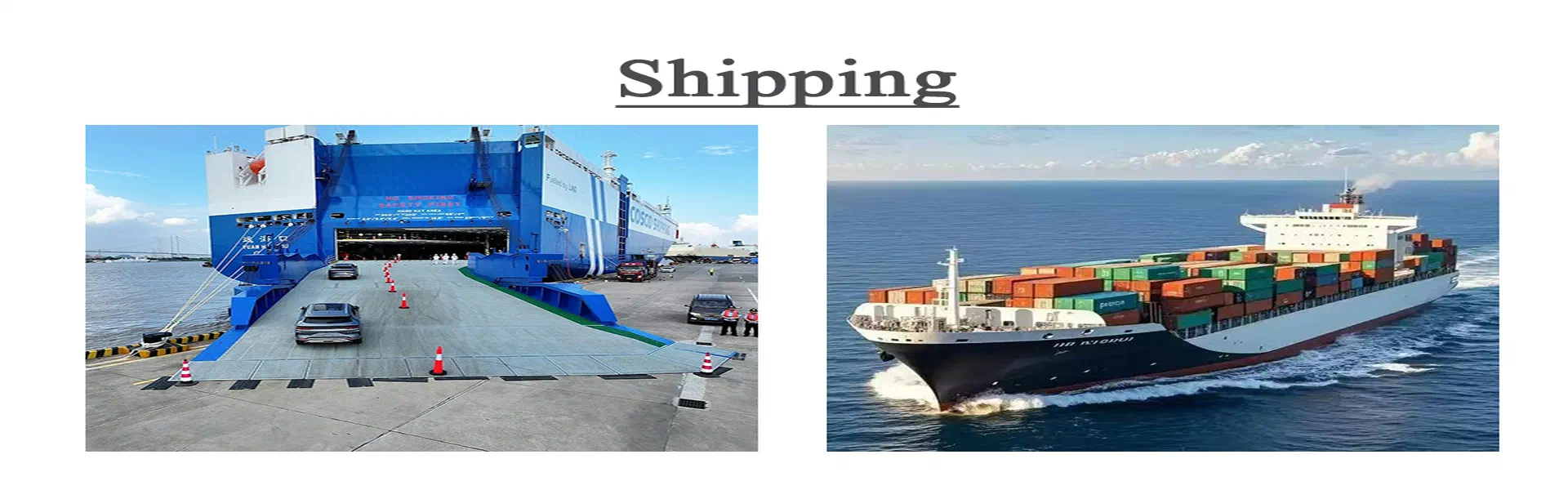
When it comes to logistics, the choice between RoRo (Roll-on/Roll-off) and container shipping can significantly impact shipping costs and vehicle safety. RoRo is generally cheaper and faster but exposes vehicles to potential damage during transit. Container shipping, while more expensive, offers better protection from environmental factors. Importers should weigh these options based on their budget and the condition of the vehicles being shipped.
Documentation and customs clearance are also vital components of the export process. Vehicles must comply with local regulations, including obtaining export licenses and completing pre-shipment inspections. Importers must ensure that all paperwork is accurate and complete to avoid delays at the destination port. This process can vary significantly depending on the destination market.
FAQ
Q: What factors should I consider when choosing between an EV and a hybrid for export?
A: Consider emissions standards, range, service availability, and local charging infrastructure when making your choice.
Q: How do RoRo and container shipping differ?
A: RoRo is typically faster and cheaper but poses a higher risk of damage, while container shipping provides better protection but at a higher cost.
Q: What documentation is required for exporting vehicles?
A: Necessary documentation includes an export license, customs declaration, and pre-shipment inspection report.