Choosing an SUV for East African roads requires more than comparing model features or purchase prices. Importers need to assess steering configuration, vehicle condition, fuel or charging access, destination regulations, and the full cost of shipping from China to the receiving port.
Match the SUV to local conditions
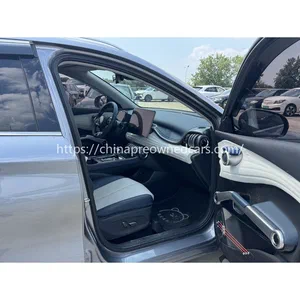
Ghana, Nigeria, Kenya, Uganda, and Tanzania drive on the left side of the road, so right-hand-drive vehicles are generally the expected configuration. Most Chinese domestic-market vehicles are left-hand drive (LHD). Buyers should confirm whether LHD vehicles are permitted for import and registration in the destination country before paying a deposit. Sourcing a vehicle with the correct configuration is preferable to discovering a registration obstacle after shipment.
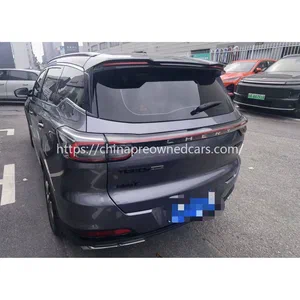
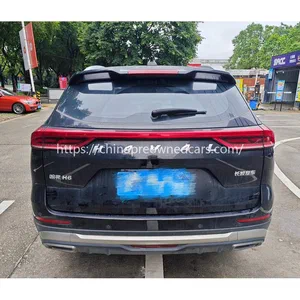
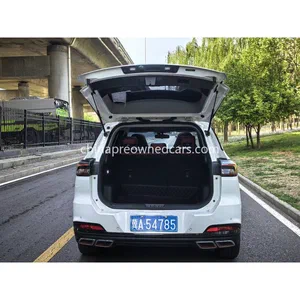
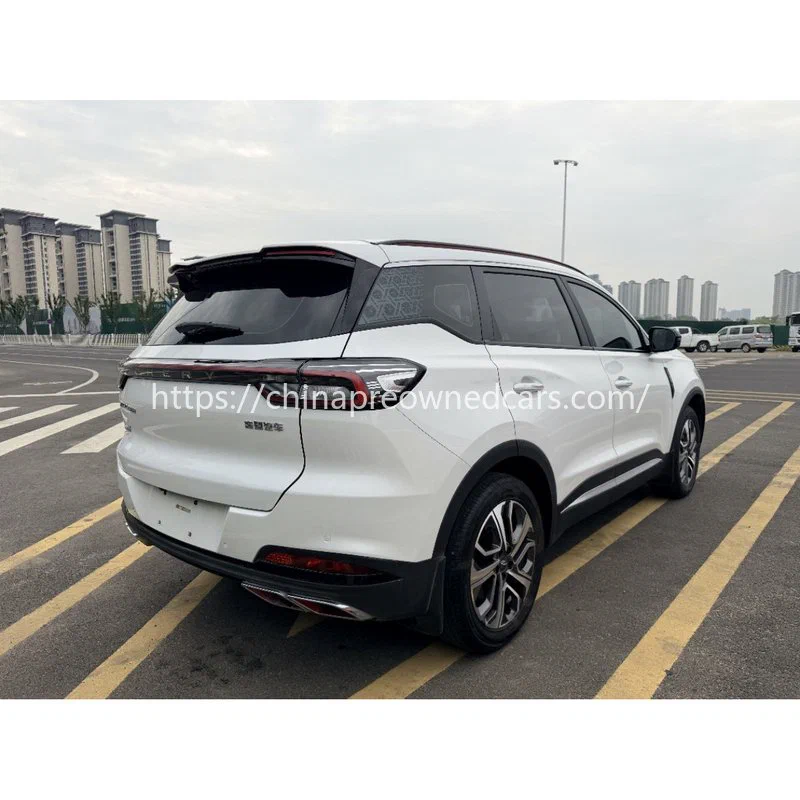
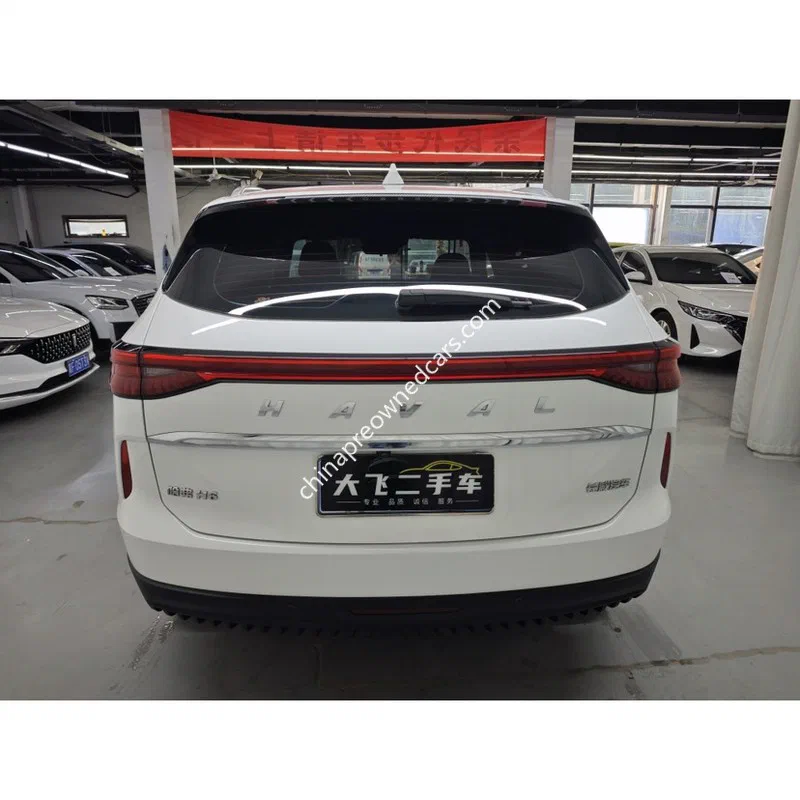
Road conditions also influence model selection. Unpaved rural routes, potholes, seasonal flooding, and high temperatures can place greater demands on tyres, suspension, cooling systems, and ground clearance. The Chery Tiggo 8 Pro offers a larger body suited to buyers prioritising passenger space, while the Chery Tiggo 7 Plus and Haval H6 are worth assessing for mixed urban and intercity use. The Geely Coolray may suit buyers whose main routes are paved. No model should be assumed suitable for every road; inspect the specific vehicle’s underbody, tyres, suspension, and service history.
Shipping method, freight costs, and port handling
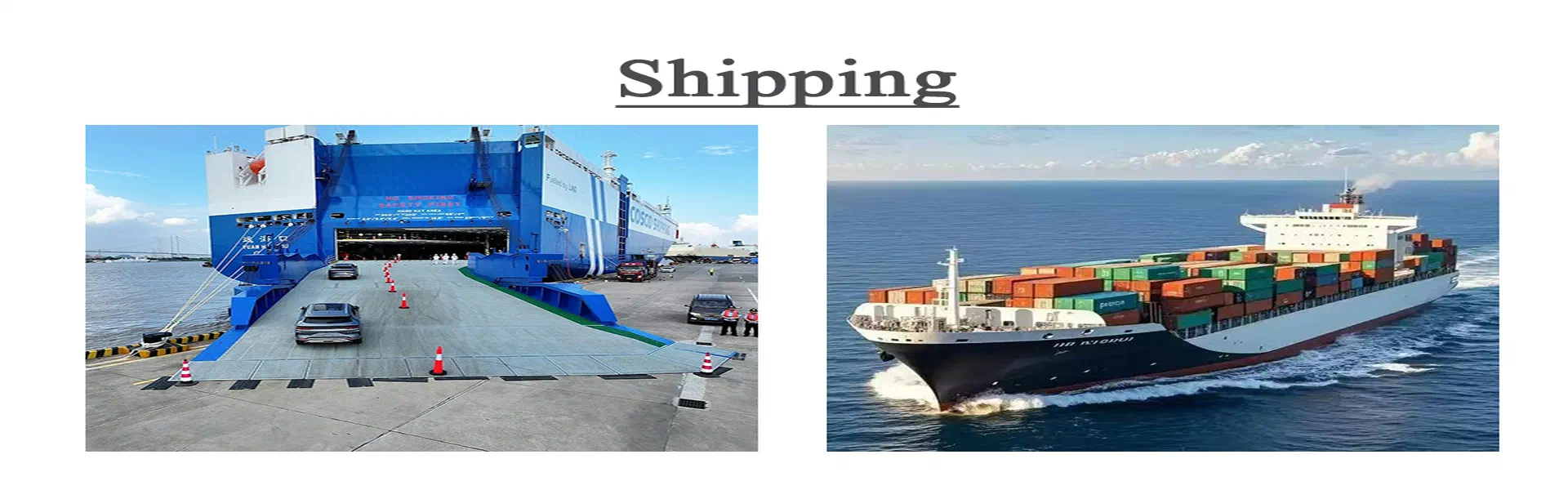
RoRo (roll-on/roll-off) shipping is often practical when a vehicle can be driven onto and off the vessel. It can cost less than container shipping, although rates depend on the route, vehicle dimensions, vessel availability, and seasonal demand. Vehicles are exposed to the marine environment and port handling, so buyers should understand the carrier’s liability limits and arrange appropriate marine insurance.

Container shipping places the vehicle inside a secured freight container and can offer greater protection from weather and some handling risks. It may suit higher-value vehicles or shipments involving multiple units, but loading, securing, container handling, and destination charges add cost. Vehicle dimensions, battery condition where relevant, loading equipment, and carrier rules can affect acceptance. Freight quotations should separate ocean freight from origin charges, documentation, insurance, destination handling, storage, and local clearance costs.
Transit to West African ports, including Tema in Ghana and Lagos-area ports in Nigeria, varies with the sailing schedule, transshipment, congestion, and customs processing. Buyers should request an estimated transit window rather than treating a quoted schedule as a guaranteed arrival date. Before dispatch, confirm the bill of lading details, consignee information, vehicle identification number (VIN), export documents, and insurance coverage. At destination, the importer or appointed clearing agent arranges customs entry, applicable duties and taxes, port release, and onward transport. Storage and demurrage charges may accrue if documents or payments are delayed.
Inspection and destination compliance
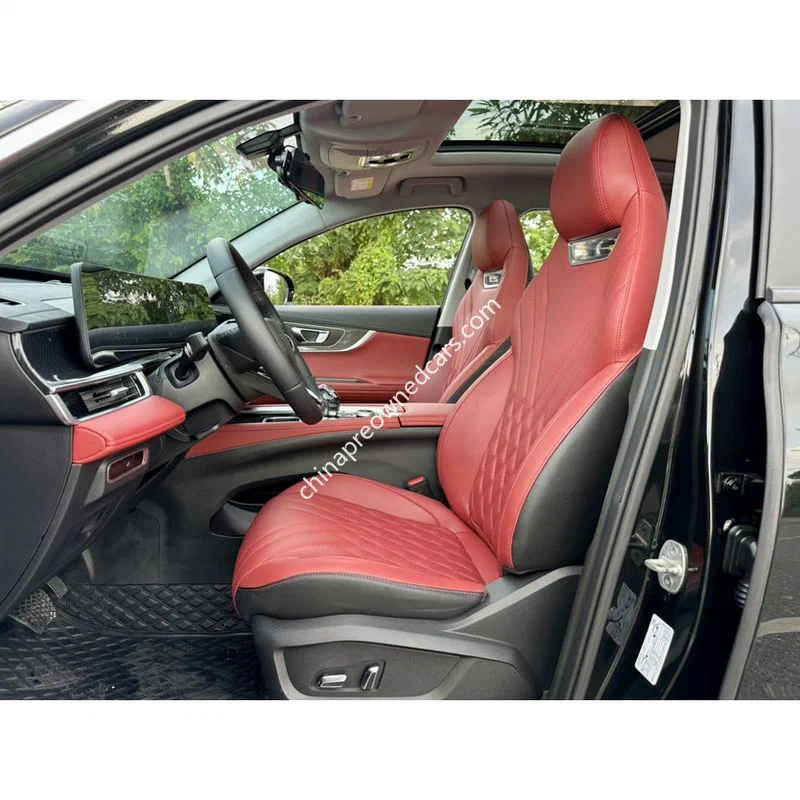
Before choosing a used vehicle online, request current photographs, a walkaround video, odometer evidence, maintenance records where available, and an independent inspection report. Verify the VIN against the vehicle and export documents. Check for accident repairs, corrosion, warning lights, transmission problems, and signs of flood damage. A report describes the vehicle at the time of inspection; it does not guarantee future condition.
For the BYD Atto 3, battery state of health, diagnostic results, charging compatibility, and access to suitable charging facilities matter. Buyers should also assess electricity reliability and local charging availability before choosing an electric SUV. Hybrid vehicles can reduce dependence on charging infrastructure, but fuel economy and maintenance needs depend on the specific powertrain and operating conditions.
China’s export process involves the required export licensing, customs declaration, and pre-shipment inspection. Destination rules in Ghana, Nigeria, Kenya, Uganda, and Tanzania may differ on vehicle age, emissions, steering configuration, roadworthiness, and import duties. Confirm the current requirements with local customs authorities or a licensed clearing agent before purchase. Agree in writing on payment milestones, inspection arrangements, document responsibilities, and after-sales support, including access to parts and diagnostic assistance.
FAQ
Q: Is RoRo or container shipping better for an SUV exported to Ghana or Nigeria?
A: RoRo can be more economical for a single driveable vehicle, while a container may offer additional protection and suit consolidated shipments. Compare the complete origin-to-port cost, insurance terms, and destination charges before deciding.
Q: What should buyers verify before shipping a used SUV from China to East Africa?
A: Confirm steering-side eligibility, current import rules, vehicle condition, VIN and export documents, and the full freight and destination cost. For electric vehicles, also verify battery health and charging compatibility.