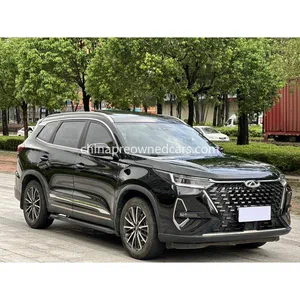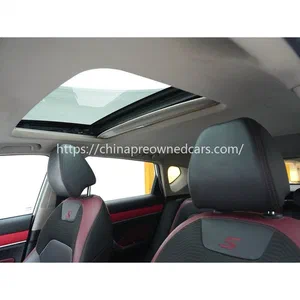
Selecting a used electric or hybrid vehicle for export to West Africa requires more than checking its advertised driving range. Battery state of health, charging compatibility and shipping arrangements all affect the vehicle’s suitability and resale value. Buyers sourcing from China also need to account for dangerous goods requirements and the facilities available at the destination port.
Battery condition and charging compatibility
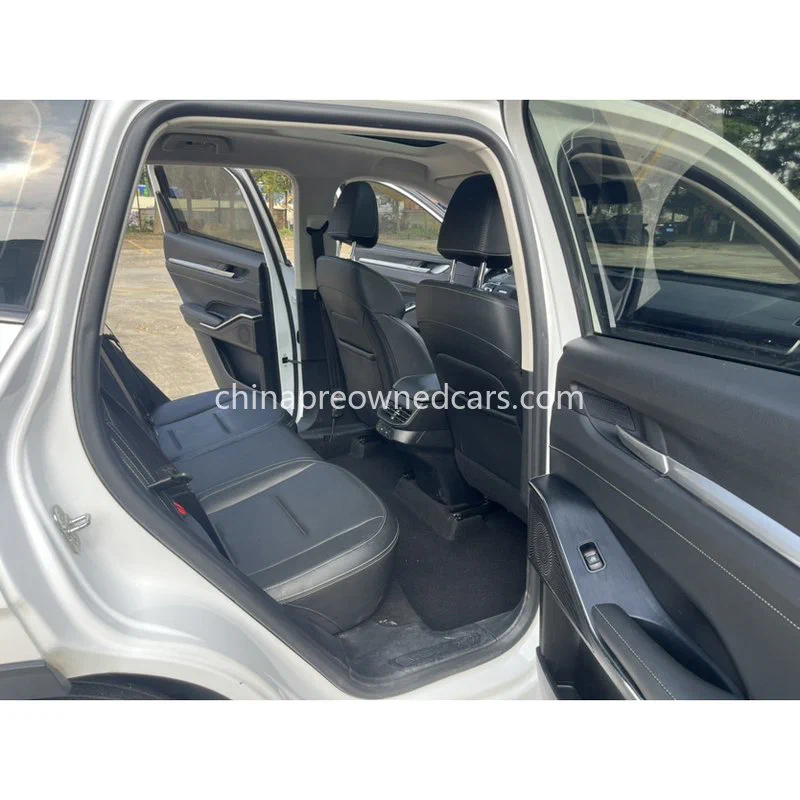
Battery state of health (SOH) is a primary assessment point when purchasing a second-hand EV. It indicates the battery’s remaining capacity relative to its original condition. A vehicle may show a reasonable dashboard range while having experienced significant capacity loss. Buyers should request a battery diagnostic report, check the battery management system data and compare measured capacity with the manufacturer’s original specification. Charging performance, fault records and previous battery repairs also deserve attention.

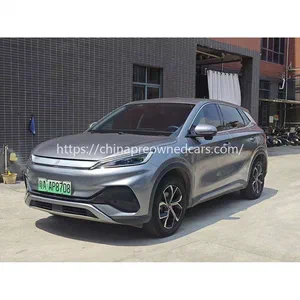
For vehicles such as the BYD Atto 3, charging connector compatibility must be confirmed before shipment. Chinese-market EVs commonly use GB/T connectors, while CCS and CHAdeMO are established alternatives in other markets. Ghana, Nigeria, Kenya, Uganda and Tanzania do not have one universal connector requirement across all charging networks. Buyers should check the actual public and private charging equipment available in their intended operating area. An adapter should not be treated as a guaranteed solution because vehicle software, charging protocol and power limits can affect compatibility.
Shipping EVs from China to West Africa
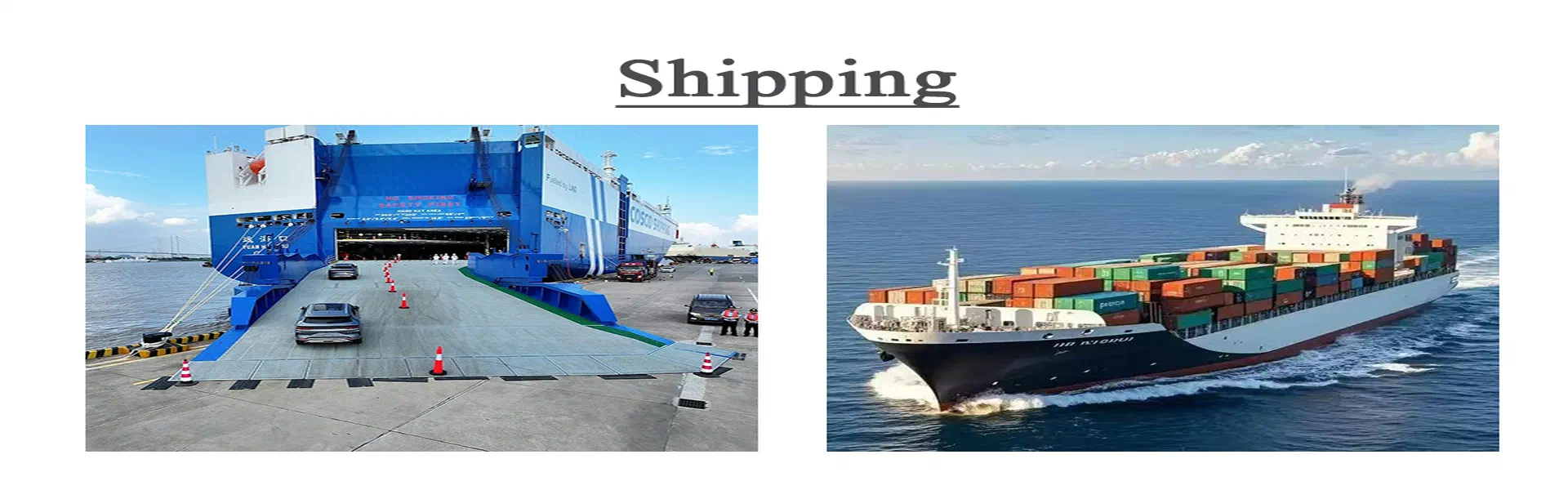
RoRo and container shipping are the main options for moving vehicles from China to West African ports. RoRo generally involves driving the vehicle onto a specialist vessel and securing it in the vehicle deck. It can be economical for standard, operational vehicles, but access to personal belongings and additional loading equipment is restricted. Container shipping offers more control over positioning and protection from some external handling risks. However, loading dimensions, securing points, container availability and battery transport acceptance must be checked before booking.
Freight costs depend on vehicle dimensions, shipping route, port charges, seasonal vessel capacity and the selected transport method. Transit time to West African ports varies with the departure port, vessel schedule and transshipment arrangements. Buyers should obtain a shipment-specific estimate rather than rely on a general delivery window. Marine insurance should also be reviewed for its coverage of loading, sea transit, unloading and relevant exclusions. The bill of lading is a key shipping document and should match the vehicle and consignee details.
Battery transport requires separate attention. Lithium-ion batteries are generally classified under UN 3480 when shipped independently, while vehicles containing installed lithium-ion batteries fall under the applicable vehicle classification, commonly UN 3556. The carrier must confirm the correct classification, documentation, packing and handling requirements. Battery damage, defects or safety recalls can affect acceptance. Export preparation should therefore include confirmation of battery condition and compliance with the carrier’s dangerous goods procedures.
Destination clearance and resale considerations
At destination, the consignee or appointed clearing agent uses the bill of lading, commercial invoice, export documents and other required paperwork to process customs clearance. Import duties, taxes, vehicle age restrictions, emission rules and roadworthiness requirements vary between Ghana, Nigeria, Kenya, Uganda and Tanzania. Most Chinese domestic vehicles are left-hand drive, so buyers must confirm whether their destination accepts LHD vehicles. China-side export licensing, customs declaration and pre-shipment inspection must also be completed before dispatch.
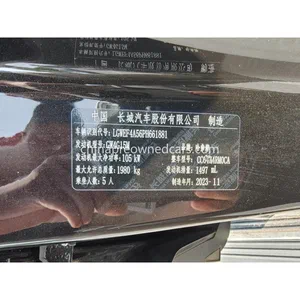
Battery degradation directly affects operating costs and future resale value. A vehicle with reduced usable capacity may require more frequent charging, which matters where charging stations are limited or unreliable. Buyers should assess realistic driving range using battery SOH rather than relying solely on the manufacturer’s original figure. Hybrid models also require checks of their combustion engine, electric motor and battery systems. For sourcing research, the phrase 2nd hand cars best website should lead to a supplier whose vehicle records and inspection process can be reviewed, not simply a large online listing. Before payment, request the VIN, diagnostic results, charging specifications, inspection photographs and a written breakdown of shipping and destination charges.
FAQ
Q: Can Chinese used EVs be shipped to Ghana by RoRo?
A: Yes, subject to the shipping line accepting the vehicle and its battery classification. The buyer should confirm dangerous goods requirements, vessel availability and insurance coverage before booking.
Q: How can buyers verify the battery health of a used BYD Atto 3?
A: Request a battery diagnostic report showing SOH, available capacity, fault codes and charging history where available. An independent inspection can help verify the reported condition.
Q: Do Chinese EV charging connectors work in Nigeria and other West African markets?
A: Compatibility depends on the vehicle’s connector, charging protocol and local charging equipment. Buyers should verify GB/T, CCS or CHAdeMO compatibility with their intended charging network before purchasing.