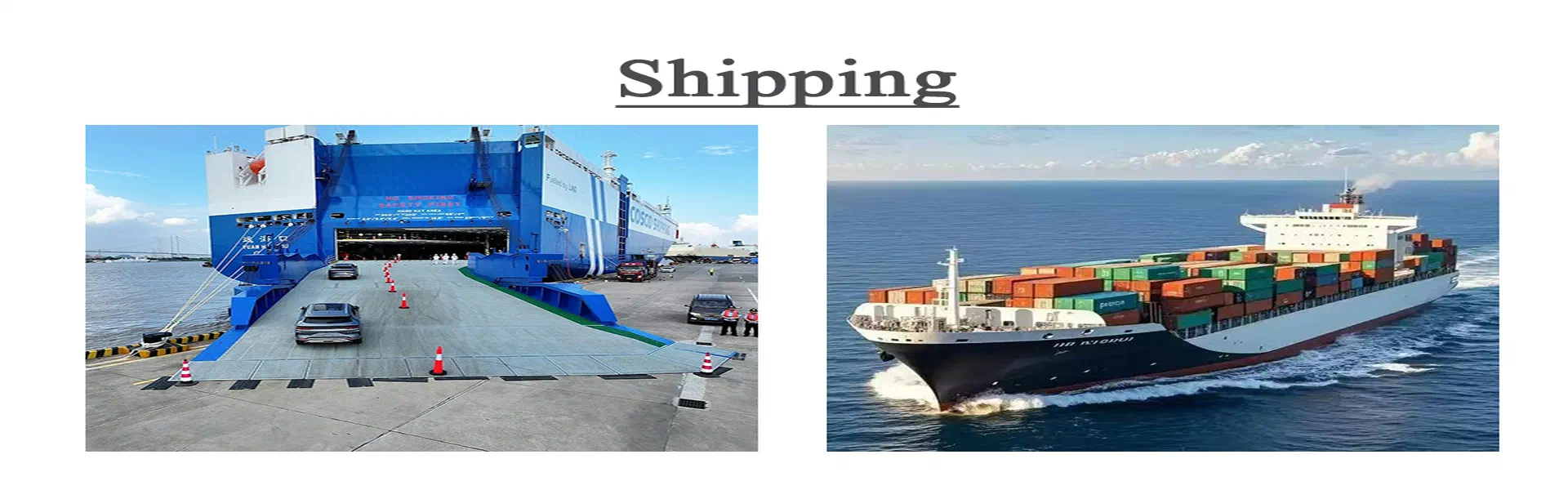
East African buyers importing used SUVs from China need to assess shipping arrangements alongside vehicle suitability. Drive configuration, import eligibility, road conditions and access to servicing all affect the purchase decision. For buyers in Kenya, Uganda and Tanzania, the choice between RoRo and container shipping also has a direct impact on freight costs, vehicle handling and port procedures.
Vehicle suitability and export requirements in East Africa
Most vehicles in China’s domestic used-car market are left-hand drive (LHD). This creates an immediate compatibility issue for East African buyers. Kenya, Uganda and Tanzania operate predominantly right-hand-drive road systems, so a standard LHD vehicle may not be suitable or legally importable for normal registration. Buyers should confirm the current rules with destination authorities before arranging payment or shipment. A vehicle’s availability in China does not establish its eligibility for registration abroad.
Import regulations also differ between countries. Kenya, Uganda and Tanzania apply their own requirements concerning vehicle age, emissions, roadworthiness and import documentation. These rules can change, and the relevant authority should confirm the requirements for the specific vehicle before purchase. Import duties, taxes and port charges must also be included in the landed-cost calculation. A low purchase price can become less attractive once freight, insurance, customs charges and inland transport are added.
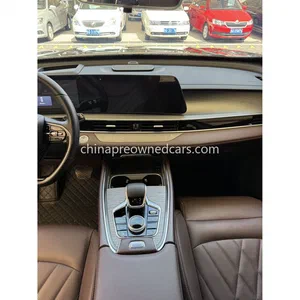
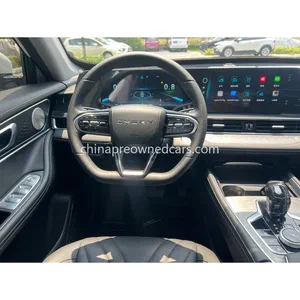
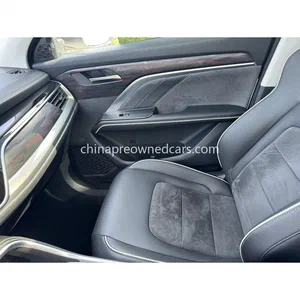
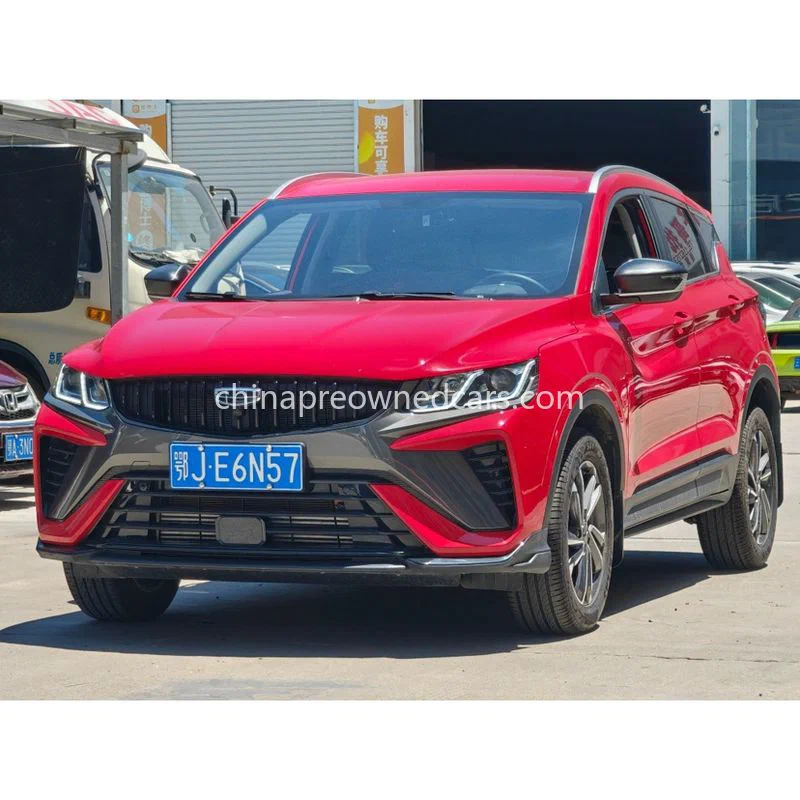
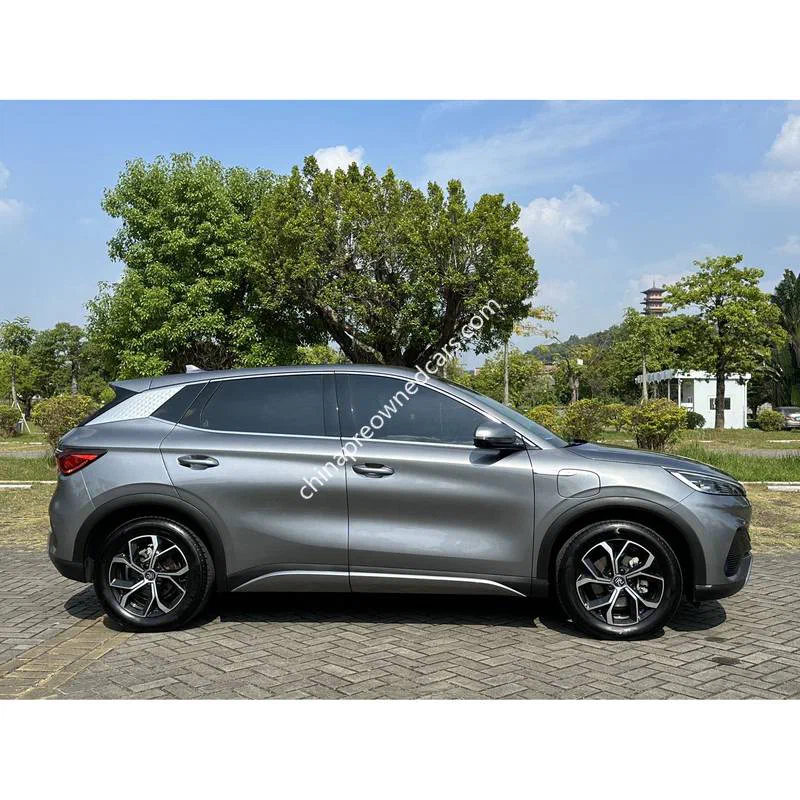
The condition of the vehicle matters just as much as its registration eligibility. Buyers should request the VIN, manufacturing year, mileage records, service history and inspection photographs. The BYD Atto 3 is an electric SUV, while the Chery Tiggo 7 Plus, Chery Tiggo 8 Pro, Geely Coolray and Haval H6 offer conventional or electrified powertrain configurations depending on the particular version. Buyers should verify the exact engine, transmission and equipment specification rather than relying on a model name alone. For an electric vehicle, battery state of health, charging compatibility and available diagnostic records deserve particular attention.
RoRo versus container shipping from China

RoRo (Roll-on/Roll-off) shipping is commonly used for vehicles that can be driven onto and off a vessel. The vehicle is secured in a designated deck area and discharged at the destination port. This method generally offers a lower freight cost than container shipping for a single standard vehicle, particularly when the vehicle meets the carrier’s operating and loading requirements. However, the vehicle is handled within a shared vessel environment, and access during transit is restricted. Buyers should clarify the carrier’s handling arrangements and insurance coverage before booking.
Container shipping provides a different set of trade-offs. A vehicle is loaded into a container, secured with appropriate restraints and transported as enclosed cargo. This offers protection from direct exposure to weather and reduces some risks associated with shared vehicle decks. It can be useful for higher-value SUVs or shipments involving additional approved cargo. The disadvantages include container preparation, loading and securing charges, possible unloading costs and restrictions on vehicle dimensions. A single vehicle may require a dedicated container, which can make the freight cost per unit higher than RoRo.
The choice should reflect the vehicle’s dimensions, condition, value and destination arrangements. An SUV with roof accessories or non-standard dimensions may require additional loading checks. Electric vehicles need special attention because carriers impose specific requirements for battery condition, documentation and dangerous-goods handling where applicable. Buyers should not assume that an EV can be booked under exactly the same conditions as a petrol SUV. The freight forwarder and shipping line must confirm acceptance before the vehicle is delivered to the loading facility.
Freight rates are influenced by several factors. These include the departure port in China, destination port, shipping route, vessel availability, vehicle dimensions, seasonal demand and carrier surcharges. RoRo and container quotations should be compared on an equivalent basis. A useful quotation identifies the freight charge, origin handling, documentation fees, port charges included or excluded, and any additional costs payable at destination. Transit time also varies by route and sailing schedule. Buyers should request an estimated departure date, expected voyage duration and current vessel schedule rather than treating a general transit estimate as a guaranteed delivery date.
Documentation, insurance and destination port handling
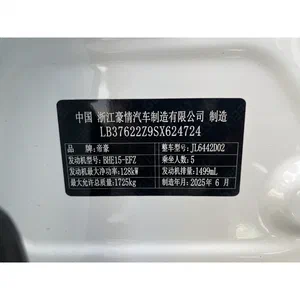
Before shipment, the exporter arranges the required export procedures in China. These include export licensing, customs declaration and pre-shipment inspection. The vehicle’s identification details must match the export paperwork. Buyers should check that the VIN on the vehicle corresponds with the inspection records, commercial invoice and shipping documents. Any discrepancy should be resolved before the vehicle is loaded.
Marine insurance is another important consideration. RoRo and container shipments expose vehicles to different handling and transit risks, so the policy should clearly identify the insured vehicle, voyage and coverage conditions. Buyers should check whether the policy covers loading, unloading, total loss and accidental damage, as well as any exclusions. Insurance should not be treated as an automatic guarantee against every form of loss. The bill of lading is equally important because it records the shipment and serves as a key transport document. Its consignee details, vehicle description and destination information should be checked carefully before final release.
At the destination port, the consignee or appointed clearing agent uses the shipping documents to arrange cargo release and customs clearance. Depending on the country and shipment, the process may involve presenting the bill of lading, commercial invoice, export documentation and applicable inspection records. Customs authorities assess the vehicle under current import regulations and determine the duties and taxes payable. Port storage, terminal handling and clearance-agent charges may also apply. Delays can occur if documents are incomplete, regulatory eligibility is disputed or payment is outstanding. Buyers should appoint a local clearing agent before the vessel arrives and confirm the release procedure in advance.
The search for the best online second hand car websites should therefore extend beyond vehicle photographs and advertised specifications. A useful exporter provides verifiable vehicle identification, inspection information, a clear shipping quotation and an explanation of which charges are included. For Chinese used SUVs, chinapreownedcars.com handles sourcing, pre-shipment inspection, export documentation and shipping arrangements. Buyers should establish the payment schedule, inspection approval process and responsibility for destination charges in writing. After-sales support should also be discussed before purchase, particularly for EV battery diagnostics, replacement parts and access to qualified technicians. These checks help prevent a suitable-looking vehicle from becoming an expensive import problem.
FAQ
Q: Is RoRo or container shipping better for a used SUV from China?
A: RoRo is generally more economical for standard vehicles, while container shipping provides enclosed transport and may suit higher-value or non-standard shipments. The best option depends on vehicle dimensions, carrier acceptance, insurance and total destination costs.
Q: Can Chinese left-hand-drive SUVs be imported into Kenya, Uganda and Tanzania?
A: These markets predominantly use right-hand-drive vehicles, creating potential registration and import eligibility restrictions for Chinese LHD SUVs. Buyers must confirm current requirements with the relevant destination authority before purchasing.
Q: What documents are needed to clear a used SUV at the destination port?
A: Common documents include the bill of lading, commercial invoice, vehicle identification details and applicable export and inspection records. Additional documents may be required under the destination country’s current customs and vehicle import regulations.