Buying cheap used electric cars for export from China requires more than comparing the purchase price. Overseas buyers need to verify the vehicle’s condition, confirm export documentation, and calculate shipping costs through to the destination port. For importers in Ghana, Nigeria, Kenya, Uganda, and Tanzania, these checks help prevent avoidable delays and unexpected charges.
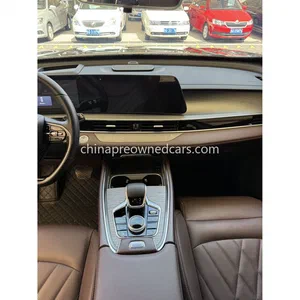
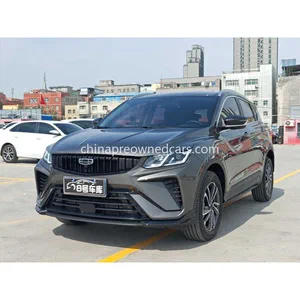
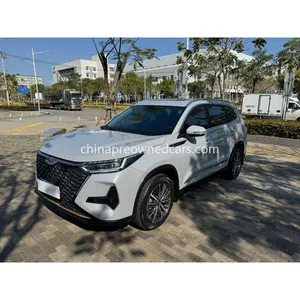
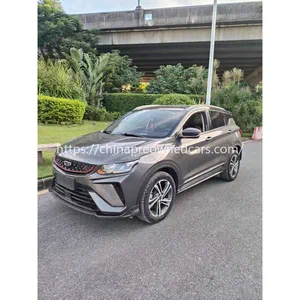
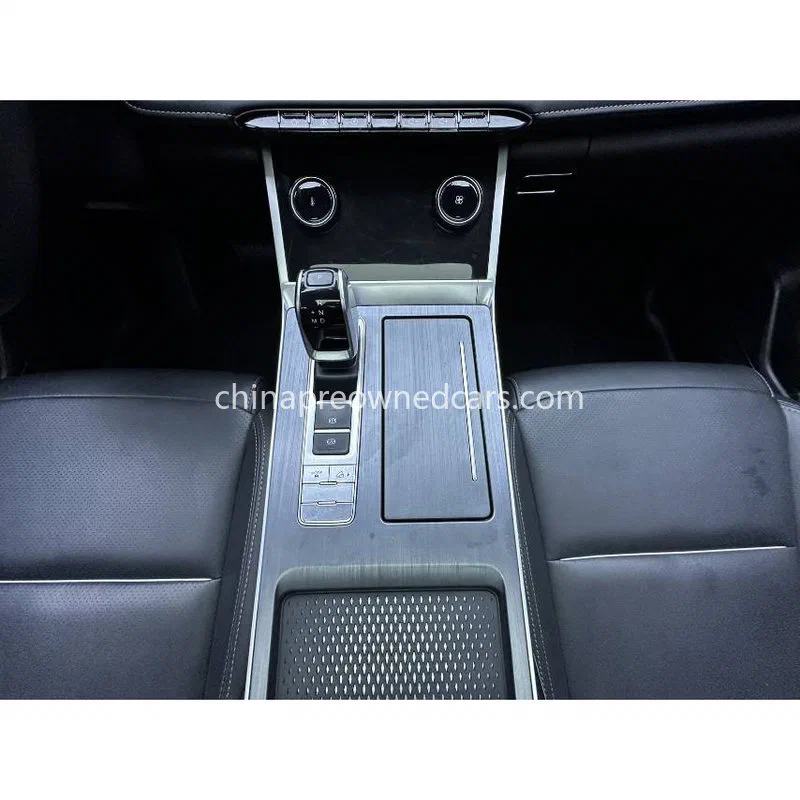
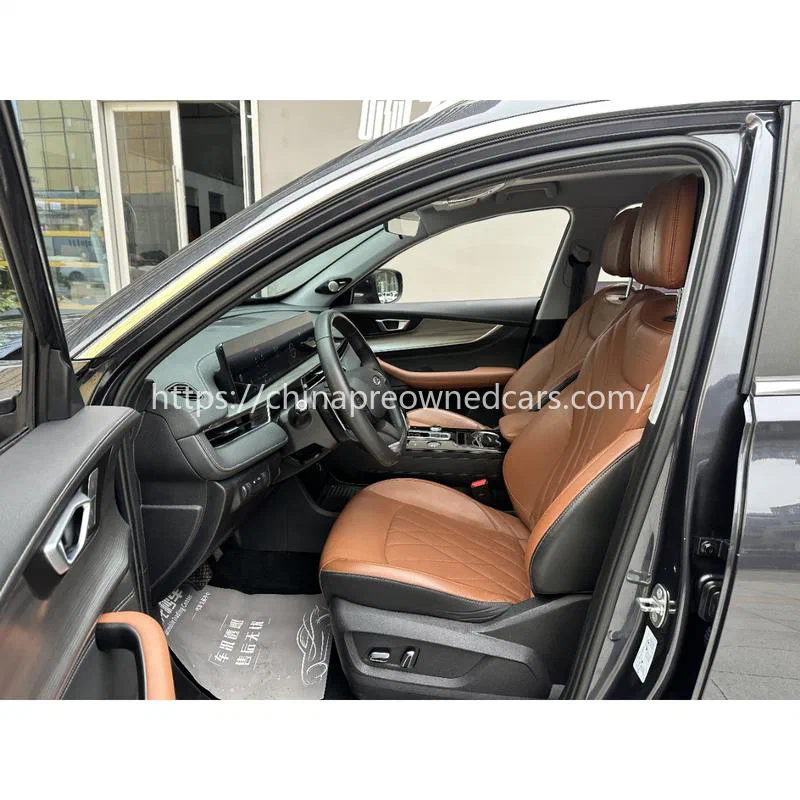
Before committing to a vehicle, request its VIN, odometer reading, maintenance records, and available accident history. The VIN should match the vehicle identification plate and the details on the registration and export documents. Mileage alone does not establish condition; inspect service records for consistency and look for signs of odometer tampering, structural repairs, flood damage, or replaced airbags. For a used electric vehicle such as the BYD Atto 3, request a battery health assessment showing the available state-of-health data, charging performance, and any recorded battery faults. Confirm whether the charging connector and onboard charging system suit the intended market. A pre-shipment inspection should document visible defects and test results, but it cannot guarantee future reliability.
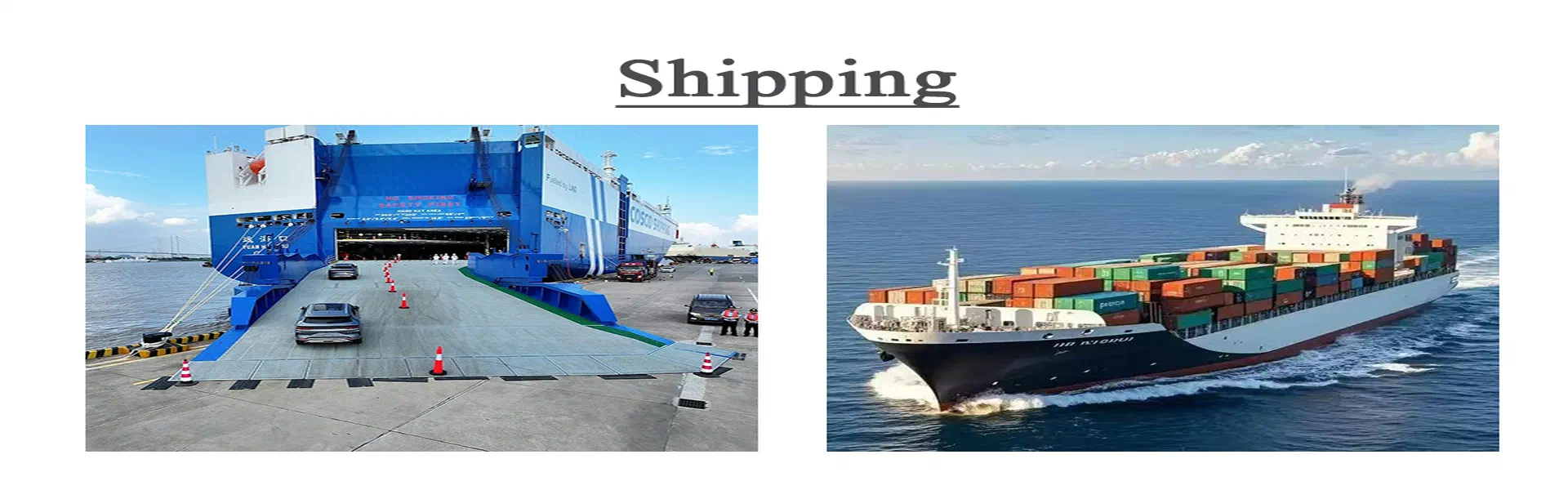
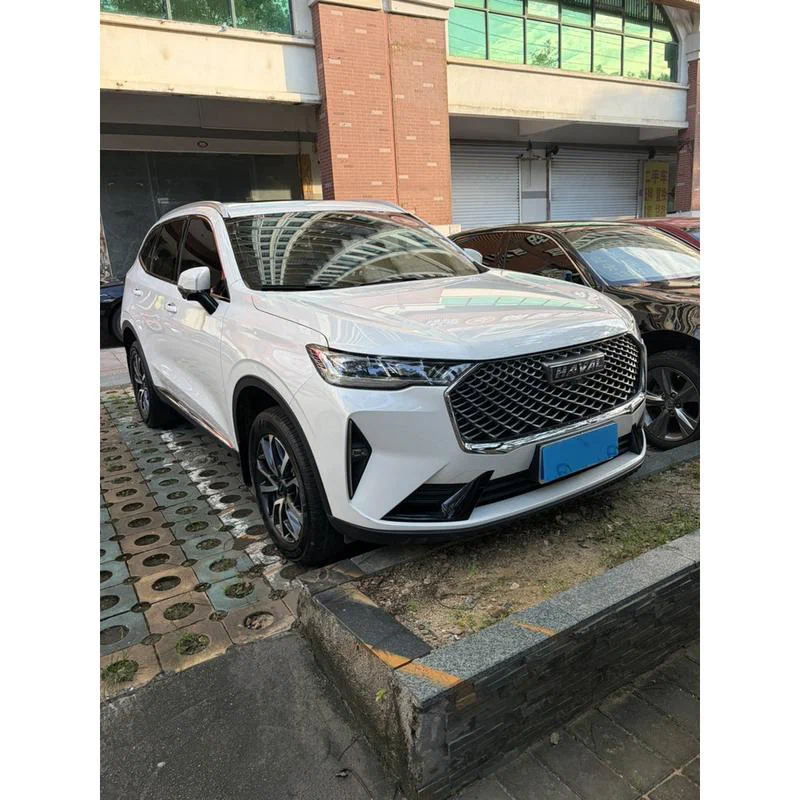
Shipping arrangements should be agreed before the vehicle is released for export. Roll-on/roll-off (RoRo) shipping generally costs less when the vehicle is operational and can be driven onto the vessel. However, vehicles share vessel space with other cargo, and access to the vehicle during transit is restricted. Container shipping can offer greater separation from other cargo and may suit vehicles requiring additional protection or shipments involving multiple units. It also involves container loading, securing, and handling charges. Dimensions, ground clearance, vehicle operability, port services, and carrier acceptance can affect the choice. Buyers should compare the complete freight quotation rather than the headline ocean rate, including origin handling, documentation, terminal charges, and any destination fees excluded from the offer.
Transit time to West African ports depends on the Chinese departure port, vessel schedule, transshipment arrangements, carrier capacity, and port congestion. Sea transit may take several weeks, while the full process also includes export preparation, customs clearance, loading, and destination release. Obtain an estimated shipping window in writing and ask whether it covers port-to-port transit or the entire export process. Freight rates can change with fuel costs, seasonal demand, route availability, and container or vessel space. Marine cargo insurance should be discussed separately: confirm the insured value, covered risks, exclusions, deductible, and claims procedure before shipment. After loading, request the bill of lading and check the consignee, notify party, vehicle description, and destination details carefully. Errors can delay cargo release.

The paperwork deserves the same attention as the vehicle. Request the inspection report, applicable export licence or supporting export authorisation, sales invoice, vehicle ownership documents, and customs declaration or clearance evidence. Confirm which documents will be issued before departure and which will be supplied after loading. At the destination port, the importer or appointed clearing agent normally handles local customs entry, duties and taxes, port charges, and any required inspections before release. Ghana and Nigeria have their own vehicle import controls, while Kenya, Uganda, and Tanzania apply their respective rules. Requirements concerning vehicle age, emissions, roadworthiness, and left-hand-drive suitability must be checked against current regulations before payment. Most Chinese domestic vehicles are left-hand drive, which may limit their suitability for markets or registration categories requiring right-hand drive.
Exporter credibility and payment terms affect the entire transaction. Check the company’s registered business details, export experience, written quotation, inspection arrangements, and willingness to provide vehicle-specific evidence. Ask for recent inspection photographs, cold-start or diagnostic videos where applicable, and clear explanations of any condition grading. The contract should identify the vehicle by VIN, state what is included in the price, define the payment milestones, and explain how discrepancies are handled. Bank transfers against agreed contractual milestones are common in international vehicle trade, but payment structures vary. Avoid sending the full balance solely on the strength of listing photographs. Common problems include inconsistent VIN details, undisclosed repairs, battery degradation, incomplete paperwork, changing freight charges, and unexpected destination fees. A written shipping and document checklist reduces these risks.
FAQ
Q: Is RoRo or container shipping better for a used electric car from China to West Africa?
A: RoRo is often more economical for operational vehicles, while containers can provide greater separation from other cargo. Compare total charges, carrier requirements, vehicle condition, and insurance terms before deciding.
Q: What documents should an importer receive before a vehicle leaves China?
A: Request the sales invoice, VIN-matched vehicle documents, inspection report, applicable export authorisation, and confirmation of customs declaration arrangements. Obtain the bill of lading after shipment and verify the destination and consignee details.