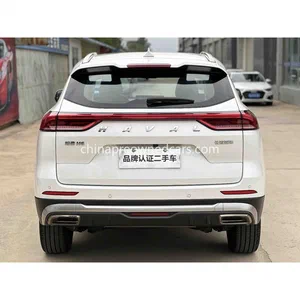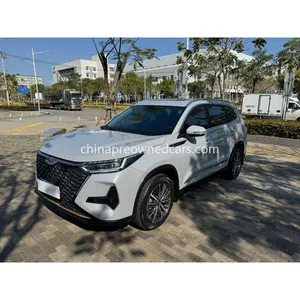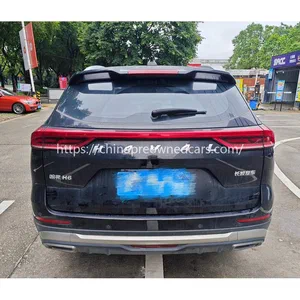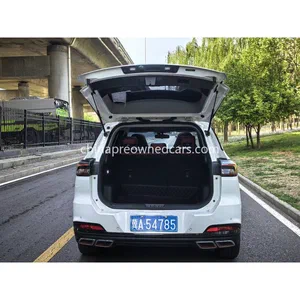
Chinese used vehicle exports to West Africa require more than selecting a popular SUV model. This page explains how vehicle specifications, export preparation, and shipping choices affect buyers in Ghana and Nigeria. It also covers the checks required before vehicles leave China and arrive at destination ports.
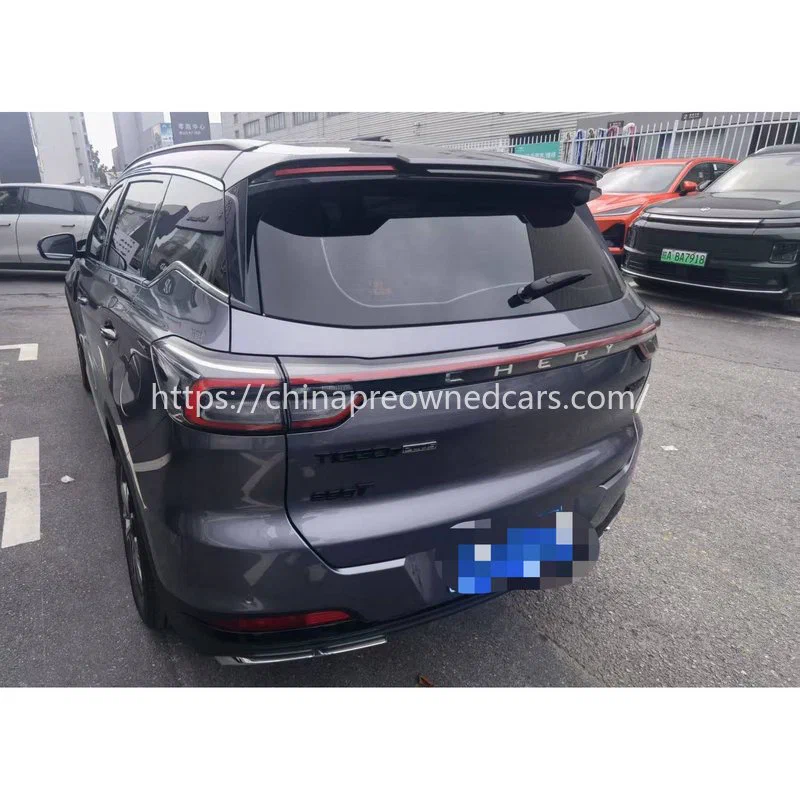
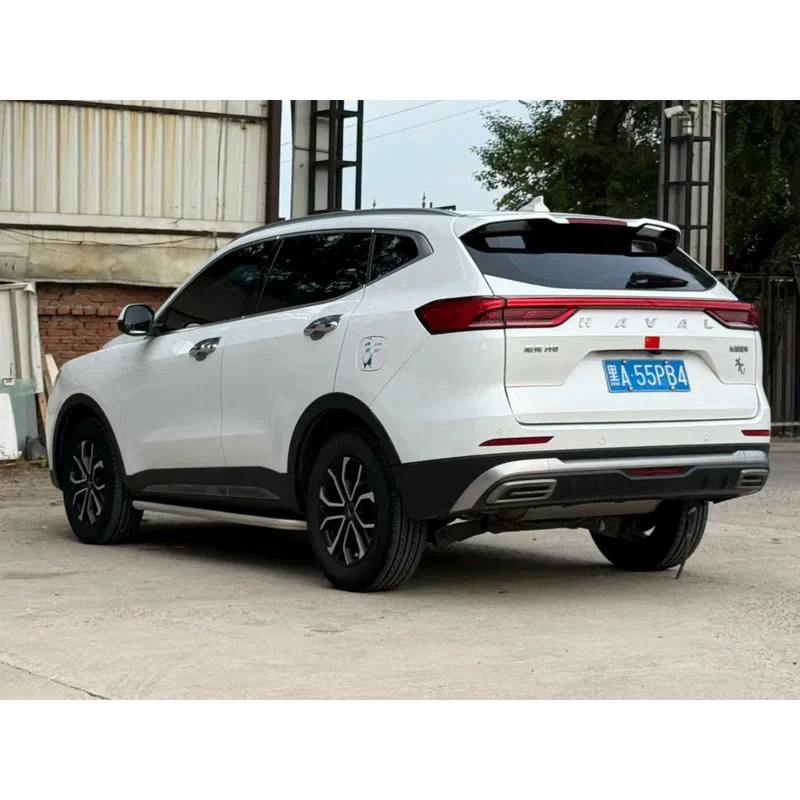
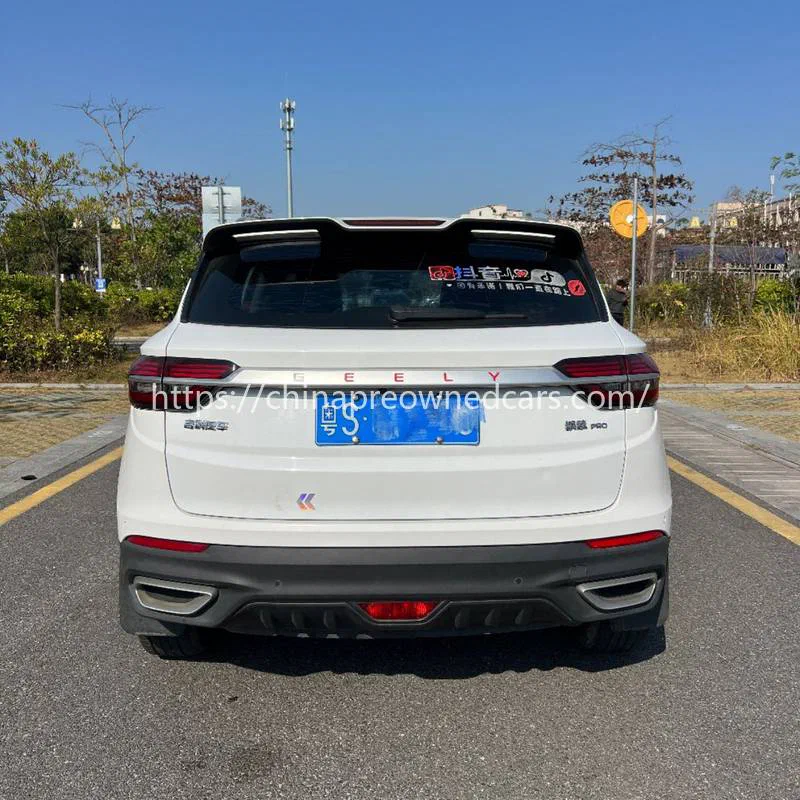
African import markets place practical demands on exported vehicles. Buyers usually review drive side compatibility, road conditions, climate exposure, charging access, and local import rules before choosing a model. Most vehicles sourced from China are left-hand drive, which fits many markets in the region but may not suit countries where right-hand-drive vehicles are required. Destination authorities also set their own requirements for vehicle age, emission standards, and roadworthiness, so current rules should be confirmed before shipment. Models such as BYD Atto 3, Chery Tiggo 7 Plus, Chery Tiggo 8 Pro, Geely Coolray, and Haval H6 can match different usage needs, but each vehicle should be checked against the destination market before purchase. Buyers researching certified pre owned gm vehicles often focus on verification standards, and the same approach applies to Chinese pre-owned exports.
Road and climate conditions influence the type of vehicle selected for export. SUVs are often considered because of higher ground clearance, cabin space, and suitability for mixed road surfaces. For electric and hybrid vehicles, battery condition is a key inspection point. Battery state of health, charging compatibility, and available charging infrastructure should be reviewed before shipping. Combustion vehicles require checks on engine condition, service history, and fuel system status. A professional assessment should verify mileage records, VIN details, previous use, and visible condition instead of relying only on vehicle appearance.
Shipping options from China to West Africa
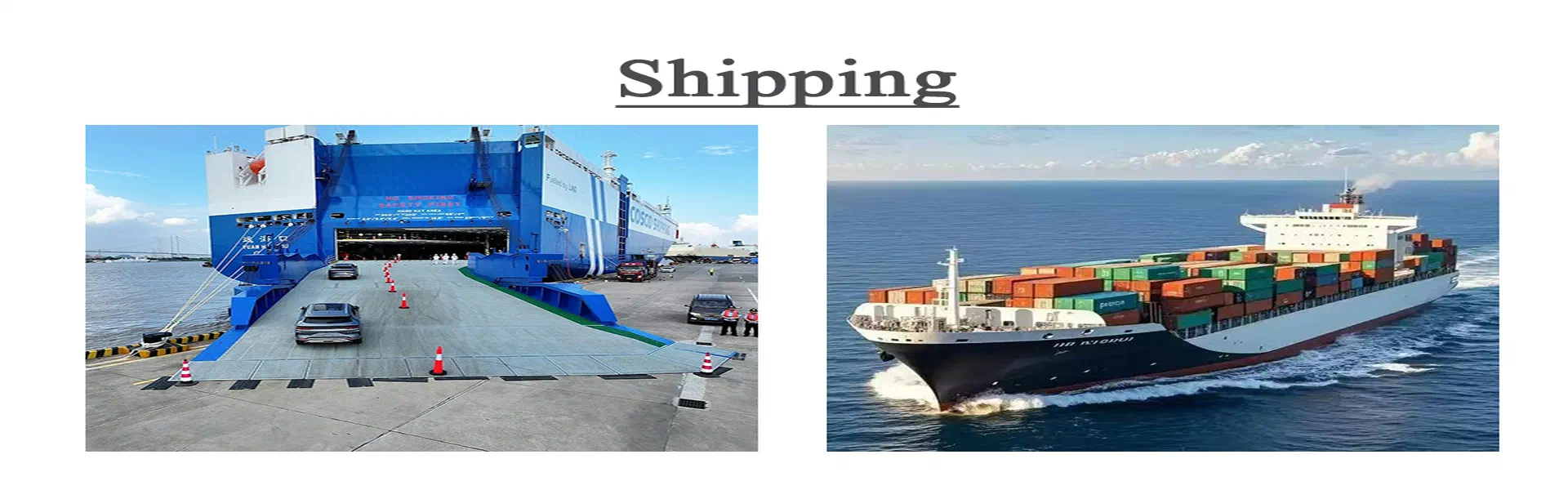
RoRo and container shipping are the main methods used for vehicle exports. RoRo shipping allows vehicles to be driven onto specialized vessels and is commonly used for moving multiple vehicles. It can reduce handling steps, but vehicles may face more exposure during loading and unloading. Container shipping provides additional protection and can be suitable for individual units or higher-value vehicles, although loading restrictions and container space planning must be considered.
Freight costs depend on factors such as departure port, destination port, vessel availability, vehicle dimensions, shipping method, and market conditions. Transit times to West African ports vary by route and schedule, so buyers should confirm expected shipping lead times before finalizing arrangements. Marine insurance can help manage risks during international transport. Export documentation normally includes the vehicle information, commercial documents, shipping paperwork, bill of lading, and documents required for customs clearance at the destination.
After arrival at ports in Ghana or Nigeria, local procedures begin. Importers usually need to work with customs agents or local representatives to complete clearance and arrange vehicle collection. Duties, taxes, inspections, and release procedures are controlled by destination authorities and may change over time. Exporters in China typically handle export licensing, customs declaration, pre-shipment inspection, and shipping coordination, while the importer remains responsible for meeting local entry requirements.

A careful buying process starts before payment and shipment. Buyers should request inspection details, confirm the export documents available, review vehicle photos and records, and understand payment terms. A suitable exporter should provide clear communication on vehicle selection, inspection findings, shipping arrangements, and after-sales support. This process helps reduce misunderstandings when vehicles move between China and West African markets.
FAQ
Q: Are Chinese SUVs suitable for Ghana and Nigeria? A: Models such as BYD Atto 3, Chery Tiggo 7 Plus, Chery Tiggo 8 Pro, Geely Coolray, and Haval H6 may suit local conditions depending on specification and market rules. Buyers should confirm drive side, vehicle condition, and import requirements before purchase.
Q: What is the difference between RoRo and container shipping? A: RoRo shipping is designed for vehicle movement onto specialized vessels, while container shipping provides enclosed transport with different loading considerations. The better option depends on vehicle type, route, protection needs, and freight conditions.
Q: What documents are needed to export used vehicles from China? A: Used vehicle exports generally involve export licensing, customs declaration, inspection documents, and shipping documents such as a bill of lading. Destination countries may require additional paperwork during import clearance.