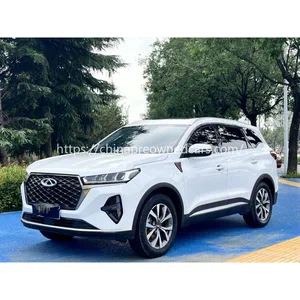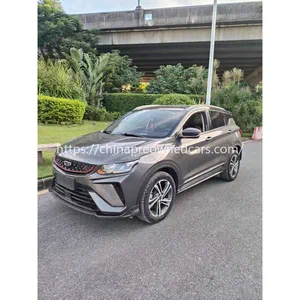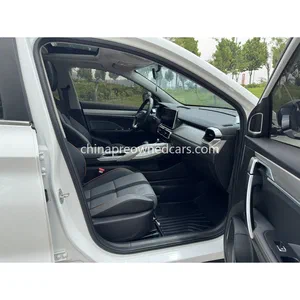
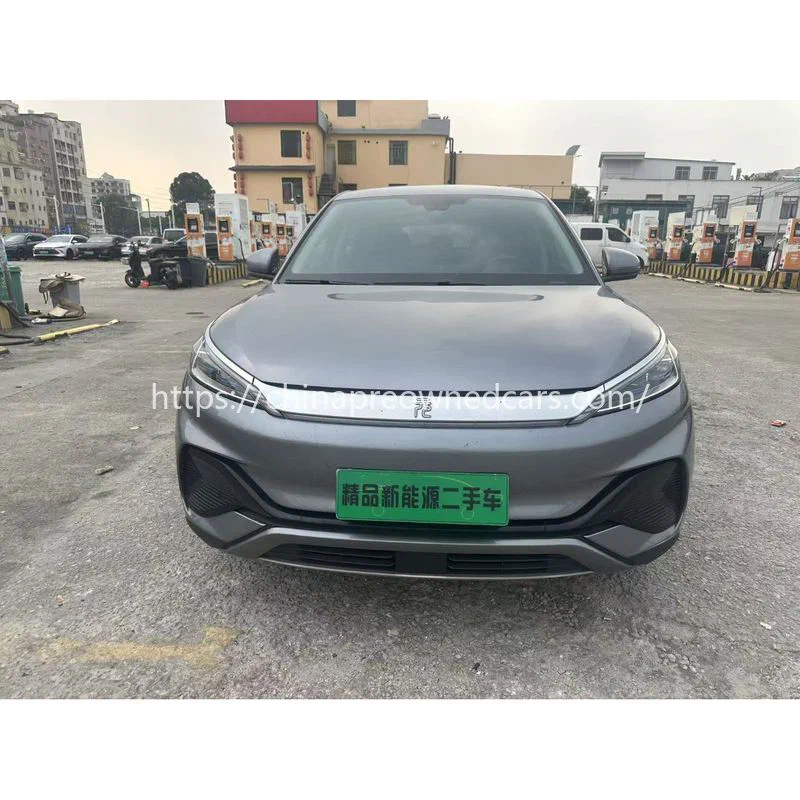
A used vehicle export assessment focuses on the condition records behind the unit, not only its appearance. This page explains how export buyers review vehicle grading, inspection scope, and shipping preparation for vehicles moving from China to West African ports.
Vehicle condition assessment before export
Used vehicle grading normally covers exterior condition, interior wear, mechanical checks, mileage records, and available service history. A buyer should review inspection photos, VIN details, maintenance records, and test results where available. Cosmetic grading can identify paint marks, repaired panels, interior damage, or signs of heavy use, but it cannot confirm every past event in a vehicle’s history. The term certified pre owned dodge challenger may appear in online searches, but export buyers should focus on documented inspection standards rather than a label alone.
Mechanical assessment usually includes engine or electric drive system checks, transmission operation, brake condition, suspension components, warning lights, and electronic functions. For used EVs, battery health is a separate area because battery state-of-health information and transport requirements do not apply in the same way to combustion vehicles. Export-grade or dealer-grade descriptions should be treated as a summary of inspection criteria, not a guarantee. Buyers should confirm what was checked, who performed the inspection, and which items remain unverified.
Shipping preparation for West African ports
After vehicle selection, export procedures include export licensing, customs declaration, pre-shipment inspection, and document preparation. For shipments to markets such as Ghana, Nigeria, Kenya, Uganda, and Tanzania, local import rules must be confirmed because requirements for vehicle age, emissions, drive side, and roadworthiness vary by country. Most Chinese domestic vehicles are left-hand drive, so buyers in markets with different driving systems need to confirm suitability before purchase.
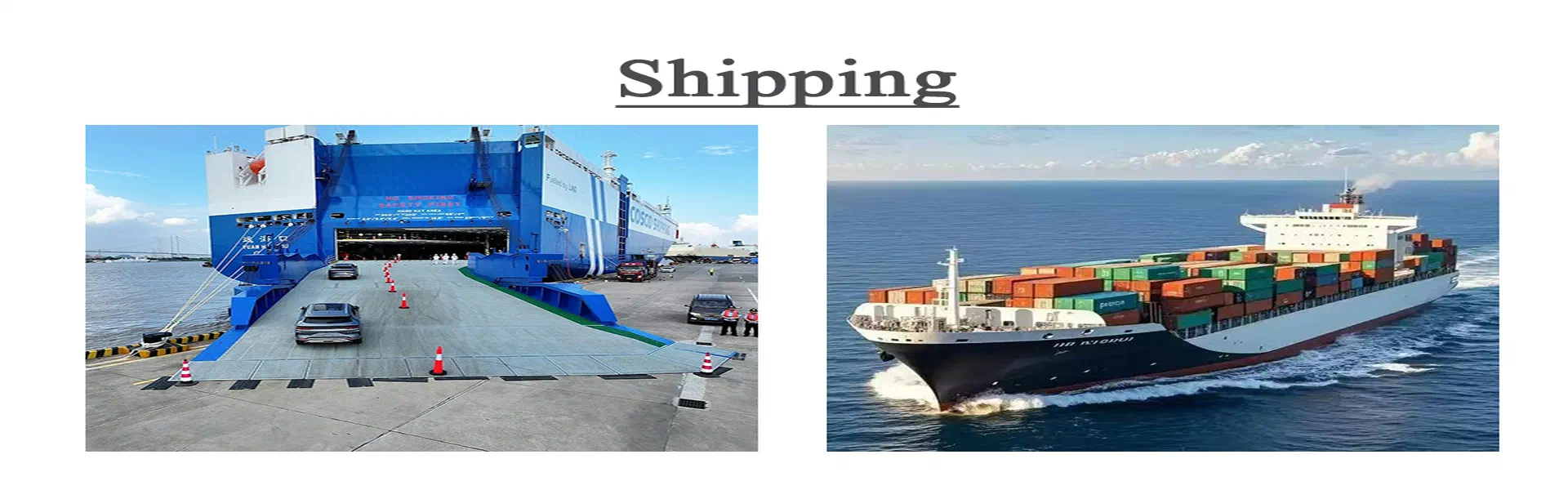
RoRo and container shipping are common methods for moving vehicles from China to overseas ports. RoRo loading is often used for vehicles that can be driven onto a vessel, while container shipping provides enclosed transport and may suit vehicles requiring additional protection or specific loading arrangements. Freight costs depend on factors such as route, vessel availability, vehicle size, port charges, and shipping method. Transit times to West African ports vary by route and operational conditions, so buyers should confirm current schedules before shipment. Marine insurance can help manage transport risks, while the bill of lading remains a key shipping document for cargo release.
At the destination port, the consignee or local agent handles customs clearance, duty assessment, inspections required by authorities, and final vehicle collection. Before payment or shipment approval, buyers should verify the VIN, inspection documents, shipping terms, and responsibilities for port handling charges. After-sales support should be discussed in advance, including access to vehicle information, spare parts guidance, and technical assistance options after delivery.

FAQ
Q: What should buyers check before purchasing a used vehicle for export? A: Buyers should verify VIN records, inspection reports, service history, mileage information, and the exact condition items covered by the inspection.
Q: Is container shipping better than RoRo shipping for used vehicles? A: The better option depends on vehicle type, route, cost requirements, and protection needs. RoRo is commonly used for standard vehicle transport, while containers may provide more enclosed protection.