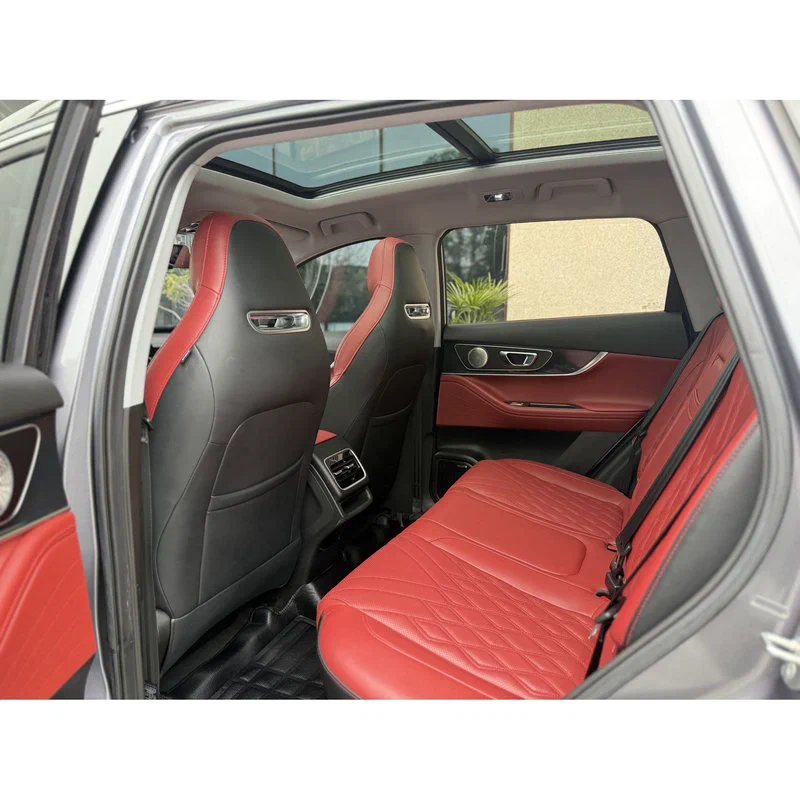
Used electric SUVs can operate in African markets, but their suitability depends on battery condition, charging compatibility and the availability of dependable charging points. For exporters shipping from China to West Africa, these factors must be assessed before the vehicle is loaded, since a technically sound vehicle can still become difficult to operate or resell if its charging system does not match local infrastructure. Shipping arrangements also require attention to battery transport rules and destination-port handling.
Battery Health and Vehicle Suitability Before Export
Battery state of health (SOH) is one of the first measurements a buyer should request when sourcing a used electric SUV. SOH indicates the battery’s remaining capacity relative to its original condition. It is different from the dashboard’s current state of charge, which only shows how much energy is available at a particular moment. A vehicle may display a full charge while having significantly reduced usable capacity.

For a used BYD Atto 3, the inspection should include a diagnostic battery report rather than relying on the dashboard display. The report should identify SOH, battery-related fault codes, charging history where available, and any recorded thermal or voltage abnormalities. The battery management system should also be checked for warning messages and irregular cell voltage differences. A controlled charging and driving test can provide additional evidence, although its results depend on temperature, driving conditions and testing equipment.
Range affects resale value directly. A vehicle with reduced battery capacity may remain mechanically serviceable, but its practical distance between charging stops will be shorter. This matters where public charging is concentrated in major cities and longer journeys require advance planning. Buyers comparing the best cheap second hand cars should therefore assess the expected operating range, not simply the original manufacturer’s advertised figure. Battery replacement costs, warranty transferability and access to compatible diagnostic equipment also influence the vehicle’s long-term commercial value.
Charging Standards and African Infrastructure
Charging connector compatibility needs confirmation before shipment. Chinese-market electric vehicles commonly use GB/T connectors, while many international charging networks are built around CCS2 or, in some locations, CHAdeMO. These standards are not interchangeable without suitable vehicle-side and charging-side compatibility. An adapter should never be assumed to resolve every issue, particularly where communication protocols, charging power limits and vehicle software differ.
Ghana, Nigeria, Kenya, Uganda and Tanzania each require destination-specific checks. Buyers should identify the connectors used by accessible public charging stations and determine whether charging facilities are available along the intended operating routes. The presence of charging stations in a country’s main commercial centre does not establish convenient coverage elsewhere. Private charging at a depot or residence may be a practical alternative, provided the electrical installation supports the vehicle’s requirements.
Before committing to a vehicle, request its exact market specification, charging-port photographs, onboard charger details and technical documentation. Confirm whether the vehicle supports AC and DC charging at the intended destination. A Chinese domestic specification may require additional infrastructure planning even when its battery condition is satisfactory. For fleet operators, compatibility should be checked across every vehicle in the proposed shipment rather than assumed from the model name.
Shipping Electric SUVs from China to West Africa
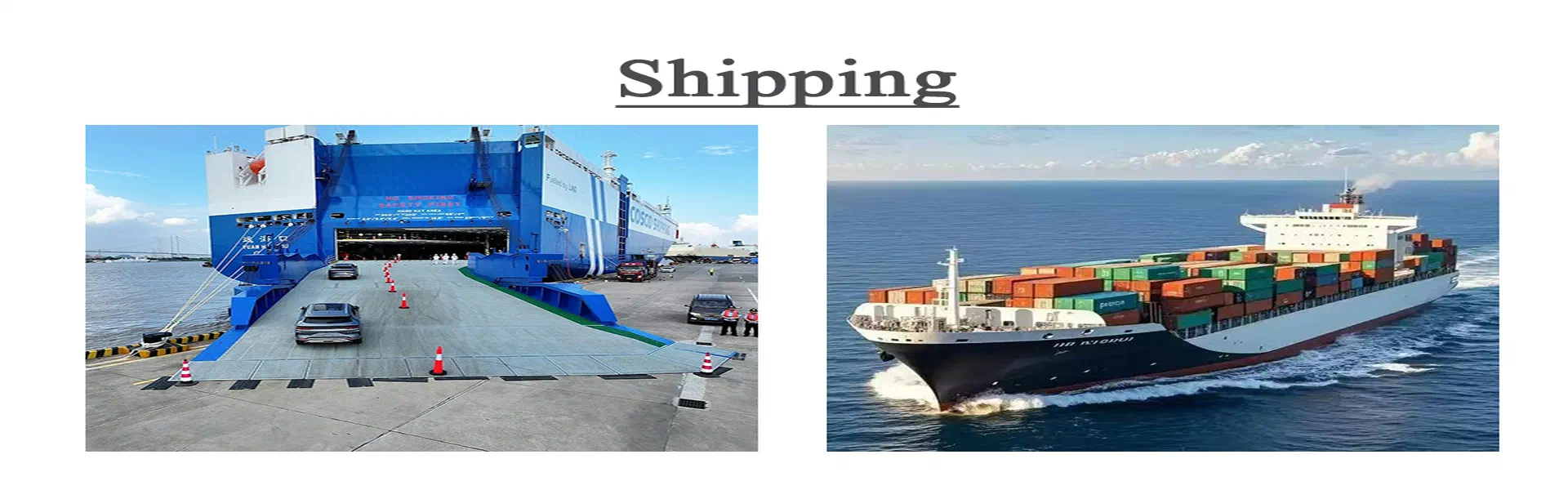
The shipping method affects freight cost, handling exposure and the documentation required for an electric vehicle. RoRo shipping places a vehicle on a vessel’s vehicle deck, where it is driven or moved into its assigned position. It can be suitable for operational vehicles that meet the carrier’s acceptance conditions. However, access to personal or commercial cargo inside the vehicle is restricted, and the vehicle may be subject to handling procedures during loading and unloading.
Container shipping provides a different arrangement. An electric SUV is secured inside a container, with loading and lashing completed according to the carrier’s requirements. This can reduce exposure to external handling and weather during the sea journey. It may also suit shipments where vehicle dimensions, battery transport restrictions or cargo arrangements make RoRo unsuitable. The trade-off is additional preparation, container loading costs and space constraints. Vehicle height, width, ground clearance and securing points must be checked before booking.
Electric vehicle batteries introduce a further shipping consideration. Lithium-ion batteries are subject to dangerous goods transport requirements. UN 3480 generally covers lithium-ion batteries shipped separately, while UN 3481 covers lithium-ion batteries contained in or packed with equipment. A complete electric vehicle with its battery installed is generally assessed under the applicable vehicle classification, including relevant dangerous goods provisions. The exporter and carrier must confirm the correct classification, documentation, packaging or handling conditions, and any applicable restrictions. UN 3480 should not automatically be applied to every complete electric vehicle shipment.
Freight rates depend on the vehicle’s dimensions, shipping method, departure arrangements, carrier acceptance, port charges and seasonal vessel capacity. The selected route also affects transit time. West African shipments may involve different sailing schedules and transshipment arrangements, so buyers should obtain a shipment-specific estimate rather than rely on a general delivery promise. Marine cargo insurance should be arranged with coverage appropriate to the vehicle and declared cargo value. Its exclusions, deductible and claims procedure deserve review before loading.
Export Documentation and Destination-Port Operations
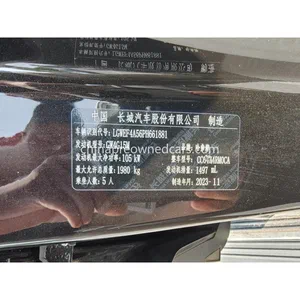
Chinese used vehicle exports require the appropriate export licensing, customs declaration and pre-shipment inspection. The exporter should coordinate the vehicle’s identification records, ownership and export documentation, inspection results and shipping booking. The VIN must match across the vehicle, inspection documents and export paperwork. Any discrepancy should be resolved before customs declaration.
The bill of lading is a central shipping document. It records the shipment details and serves as evidence of the contract of carriage. Buyers should check the consignee information, vehicle description, destination port and shipment details before the document is finalized. Depending on the transaction and carrier arrangements, the buyer may also need the commercial invoice, packing information where applicable, export documents and supporting technical records.
At destination, the consignee or appointed clearing agent handles arrival procedures, document submission, applicable duties and taxes, and release arrangements. Ghana and Nigeria buyers should confirm current import requirements with their clearing agents before the vehicle leaves China. Port storage and demurrage charges can accumulate if documentation is incomplete or clearance is delayed. The buyer should also establish who is responsible for terminal handling, customs representation, inland transport and any inspection required after arrival.
Before shipment, the buyer should receive a clear allocation of responsibilities. This includes confirmation of the agreed Incoterms, payment milestones, insurance arrangements and responsibility for destination charges. Export-side inspection does not replace destination-country compliance checks. Vehicle age restrictions, emissions rules, roadworthiness requirements and left-hand-drive acceptance must be verified under the current regulations of the importing country. Most Chinese domestic vehicles are left-hand drive, so the intended market’s drive-side rules need particular attention.
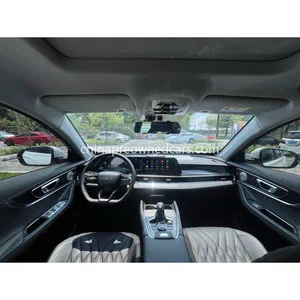
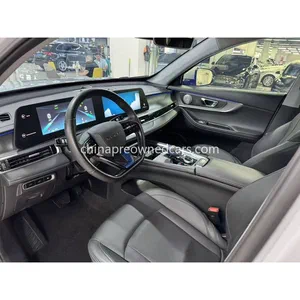
A final pre-loading review should bring together the battery report, vehicle inspection, charging specification and shipping documents. Photographs of the VIN, exterior panels, interior, odometer and charging port provide a useful record of the vehicle’s condition at handover. For the BYD Atto 3, this should include battery diagnostic evidence and charging functionality. For hybrid models such as the Chery Tiggo 7 Plus and Chery Tiggo 8 Pro, buyers should also verify the condition of the high-voltage battery, combustion engine and hybrid control system. Clear records help resolve disputes about pre-shipment condition and provide a reference for resale assessments after arrival.
FAQ
Q: Can Chinese electric SUVs use public charging stations in Ghana and Nigeria?
A: Compatibility depends on the vehicle’s connector, charging protocol and the available charging equipment. Buyers should verify the exact GB/T, CCS or CHAdeMO requirements before purchasing and shipping.
Q: Is RoRo or container shipping better for used electric SUVs?
A: RoRo can be suitable for vehicles accepted by the carrier, while container shipping offers enclosed transport and more controlled securing. Battery-related shipping rules, vehicle dimensions, freight rates and carrier acceptance should determine the final choice.
Q: What battery documents should an exporter provide before shipment?
A: Buyers should request a battery state-of-health report, diagnostic results, charging-system inspection and available battery fault records. The carrier should separately confirm the applicable lithium battery transport classification and documentation requirements.