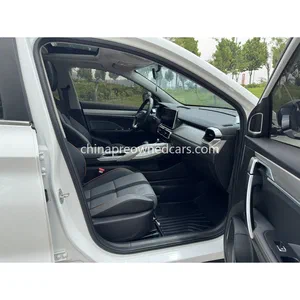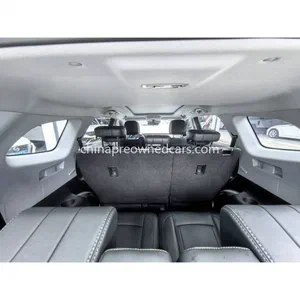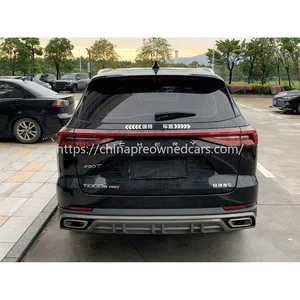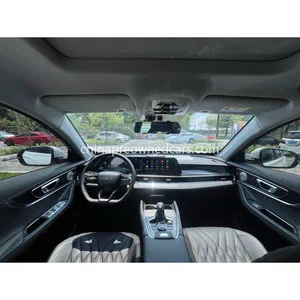
The BYD Atto 3 and Chery Tiggo 7 Plus serve different export priorities. This comparison covers powertrain choice, charging and fuel use, drive-side fit, condition checks, and shipping from China to West African ports.
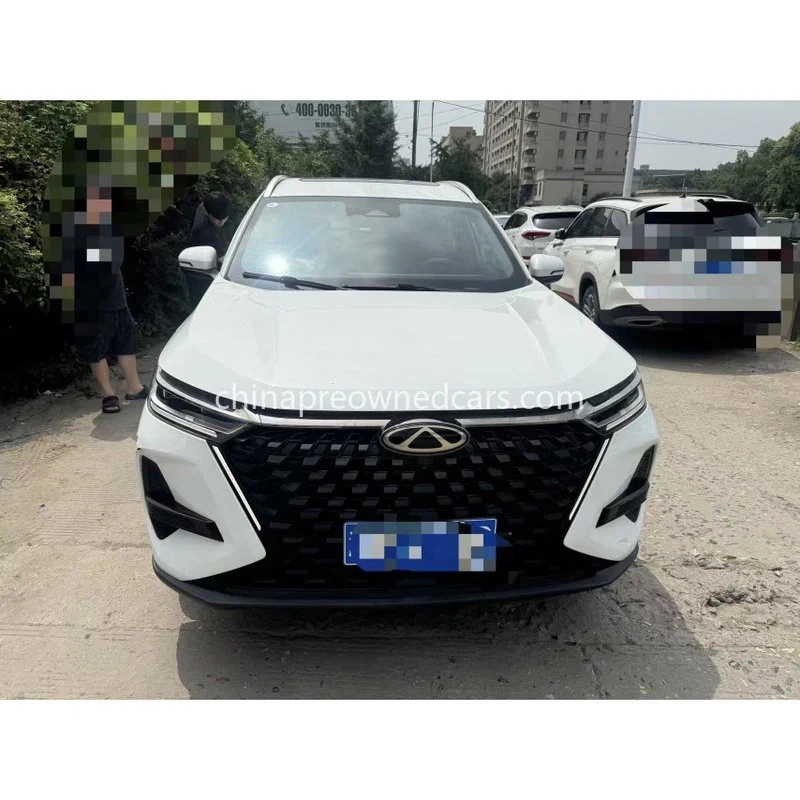
The BYD Atto 3 is a battery-electric SUV, so its operating case depends on charging access and battery condition rather than fuel supply. Buyers should request a battery state-of-health report, charging test, diagnostic scan, and confirmation of the vehicle’s AC and DC charging standard. Chinese-market units commonly use GB/T connectors; compatibility with local chargers, available adapters, and workshop equipment must be checked before shipment. The Tiggo 7 Plus is generally assessed as a petrol SUV, although the exact powertrain and specification must be confirmed by VIN and build sheet. It avoids charging infrastructure constraints, but fuel quality, maintenance skill, and the destination’s current emission rules remain important. For Ghana, Nigeria, Kenya, Uganda, or Tanzania, the applicable vehicle age, emissions, inspection, and import requirements should be confirmed before purchase because they can change.
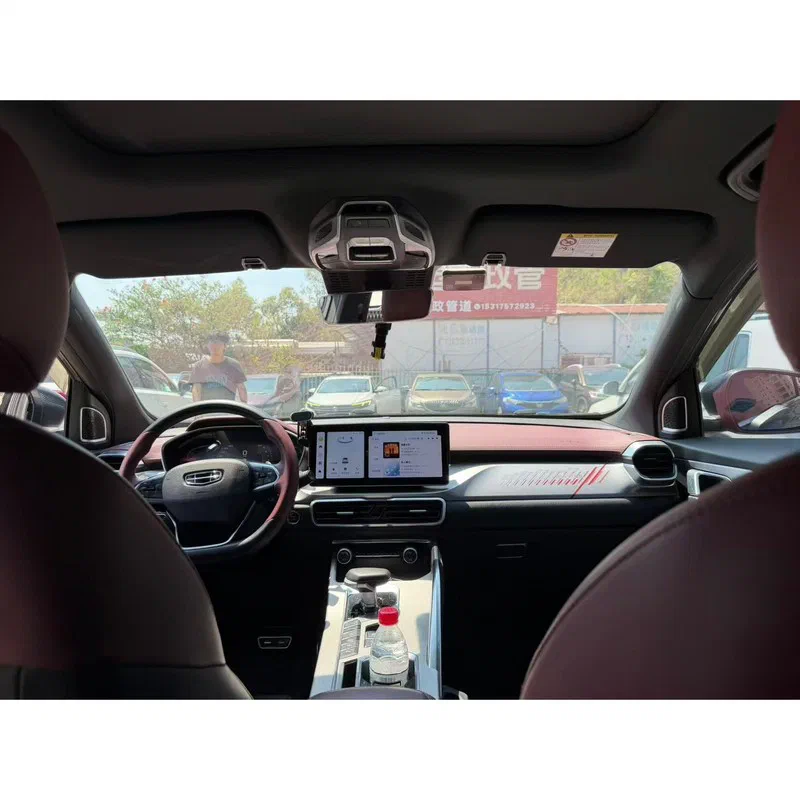
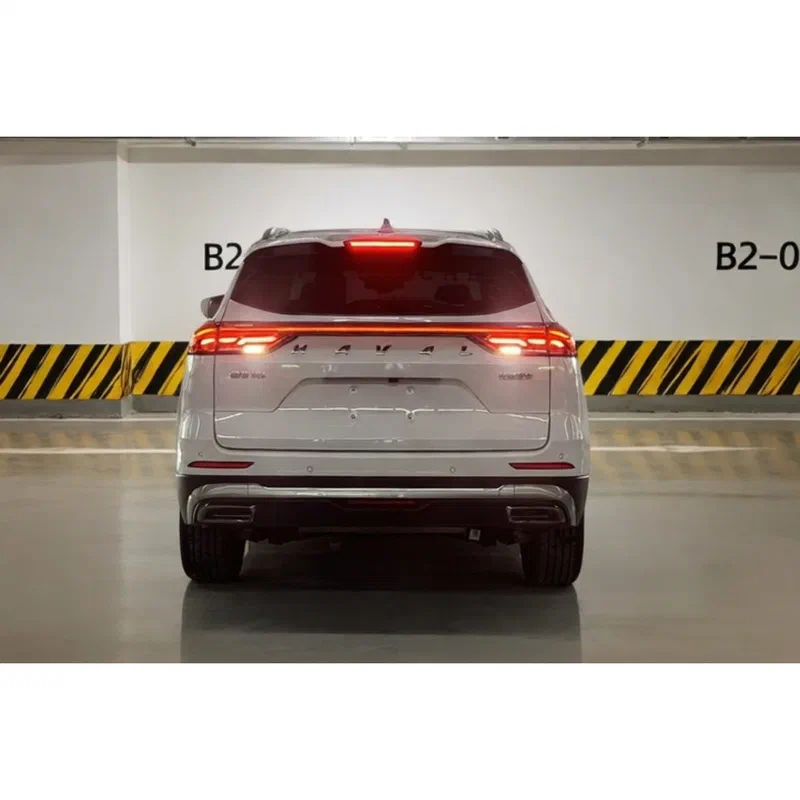
The more suitable model depends on after-sales capacity. The Atto 3 may reduce routine fuel expense, yet its high-voltage battery, inverter, charging hardware, and software require trained technicians and suitable diagnostic tools. A buyer should verify whether replacement parts and technical support are available locally, not rely only on the vehicle’s brand recognition. The Tiggo 7 Plus uses more familiar service procedures in many workshops, but parts supply still varies by country and trim. Chery Tiggo 8 Pro, Geely Coolray, and Haval H6 can be considered when body size, powertrain, or parts interchange is a factor, although each unit needs separate specification and history checks. Most Chinese domestic vehicles are left-hand drive. That may fit some operating conditions, but it can restrict use or registration in right-hand-drive markets, so the destination rule and sourcing specification must be checked. Searches for used car where to buy should therefore include VIN evidence, inspection records, and export capability rather than only advertised equipment.

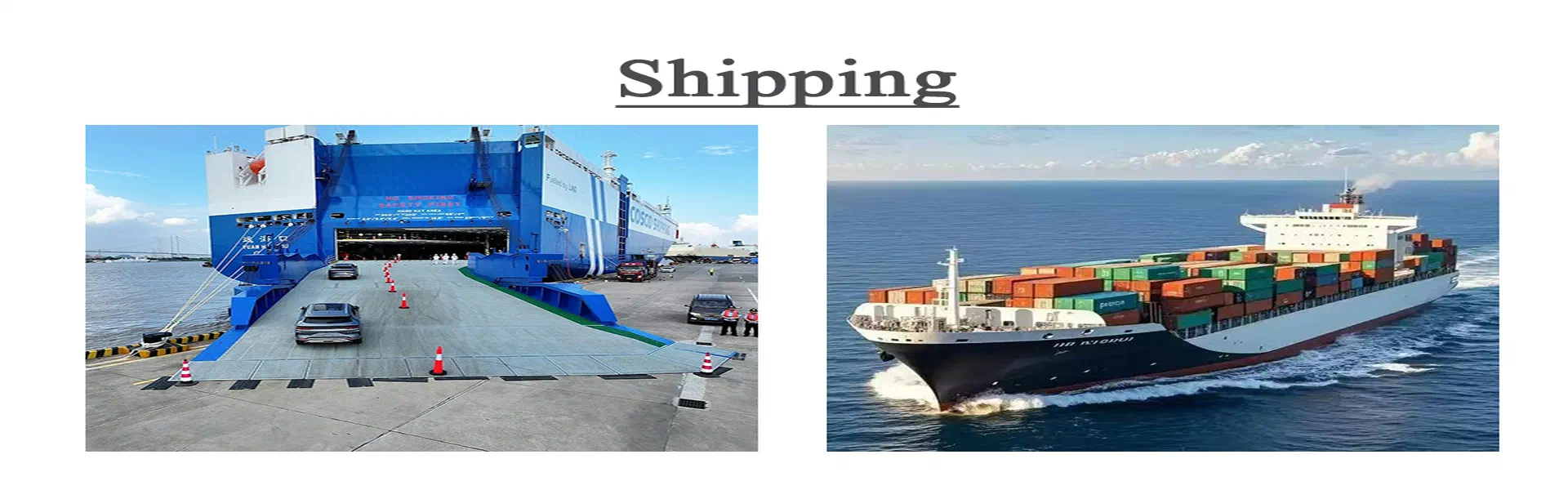
Shipping changes the landed cost. RoRo usually suits running vehicles and can be economical, but loading is limited to vehicles accepted by the carrier and exposes the unit to more handling during port operations. A container offers protection from weather and can accommodate a non-running vehicle or consolidated cargo, though loading requires clearance planning, securing materials, and container-size control. Freight rates depend on vehicle dimensions, port pair, sailing schedule, fuel and seasonal surcharges, and whether the shipment is RoRo or containerized. Transit to a West African port is often measured in several weeks; the forwarder should provide the current sailing plan rather than a fixed promise. China-side export requires an export license, customs declaration, pre-shipment inspection, commercial invoice, packing or vehicle details where required, and the original bill of lading after loading. Marine insurance should state the insured value and covered risks. At destination, the consignee or appointed clearing agent receives arrival notice, presents the bill of lading and import documents, pays applicable port and customs charges, and arranges inspection, clearance, and inland collection. Damage, storage, demurrage, and local registration costs should be assigned in writing.
FAQ
Q: Which model is easier to operate where charging access is limited?
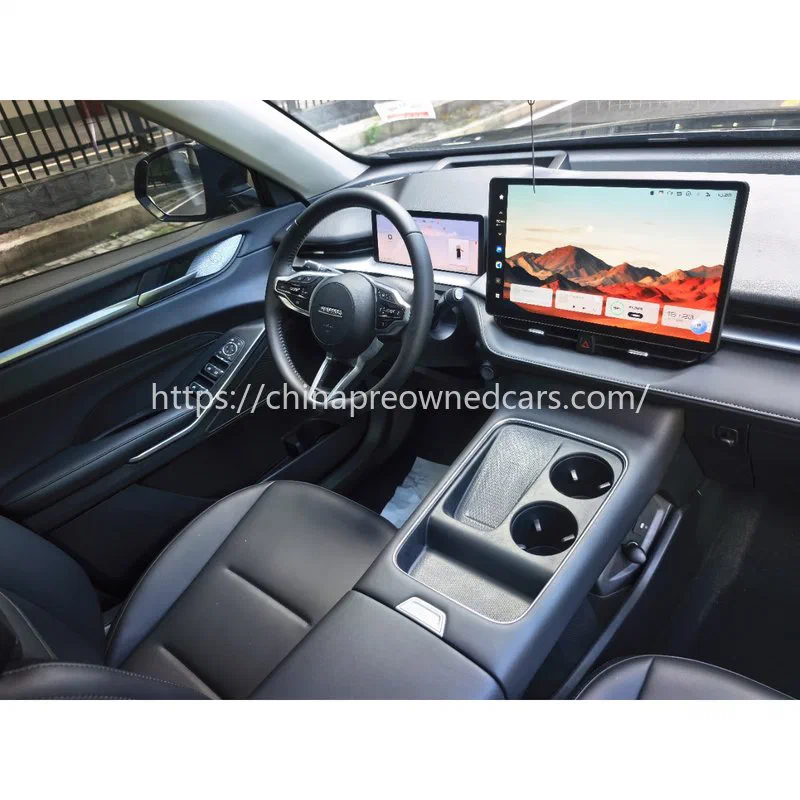
A: The Chery Tiggo 7 Plus is usually more practical where petrol supply and conventional workshops are easier to access. The BYD Atto 3 requires confirmed charger compatibility and a workable service plan.
Q: Is RoRo always cheaper than container shipping?
A: Not always. RoRo often has a lower handling cost for running vehicles, while a container may be preferable for protection, non-running units, or consolidated cargo; the forwarder should compare the full landed cost.