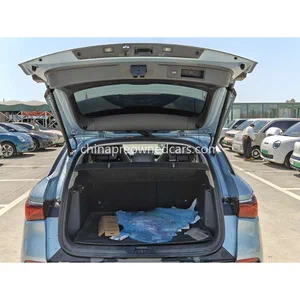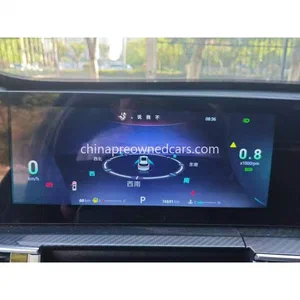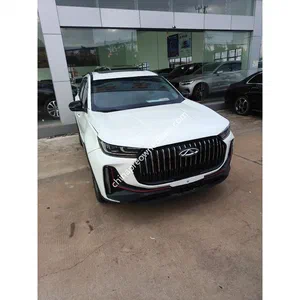
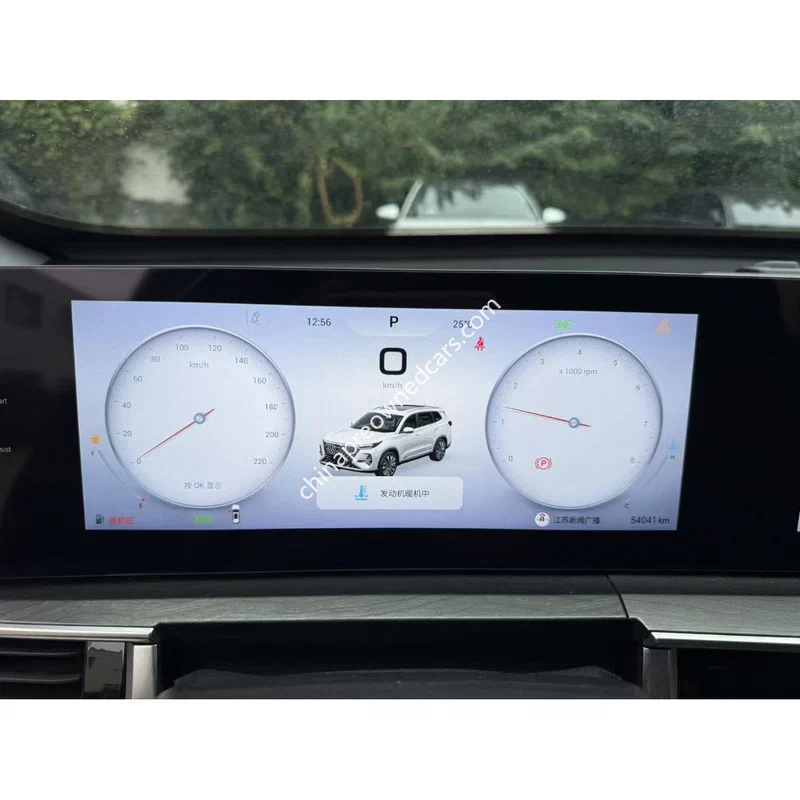
The BYD Atto 3 and Chery Tiggo 7 Plus serve different requirements in the used SUV export market. The Atto 3 is a fully electric vehicle, while the Tiggo 7 Plus uses a petrol powertrain. For buyers importing into Ghana, Nigeria, Kenya, Uganda and Tanzania, the choice affects more than running costs: it also determines shipping preparation, charging or fuel requirements, service arrangements and destination compliance.
Powertrain and destination suitability
The BYD Atto 3 uses an electric drivetrain powered by a high-voltage battery. Its operating range depends on battery capacity, state of health, driving conditions and climate. A used unit should be assessed through a battery diagnostic report, charging test and review of available battery history. Advertised new-vehicle range should not be treated as the expected range of a pre-owned example.
The Chery Tiggo 7 Plus offers a petrol alternative. Its suitability depends on engine condition, fuel consumption, transmission performance and the availability of appropriate fuel and replacement parts. Actual consumption varies with engine version, traffic and maintenance history. For buyers without dependable charging access, a petrol SUV can be easier to operate. The Atto 3 may offer lower energy costs where electricity supply and charging facilities are suitable, but battery replacement exposure requires separate consideration.
Emission compliance also differs. The Atto 3 has no exhaust emissions during operation, although destination authorities may apply separate rules to electric vehicles. The Tiggo 7 Plus must be assessed against the applicable petrol vehicle emission requirements. Ghana and Nigeria, like Kenya, Uganda and Tanzania, have their own import controls. Vehicle age, emission documentation, roadworthiness and registration requirements should be confirmed before purchase. Most vehicles sourced from China’s domestic market are left-hand drive (LHD). Buyers must verify whether LHD vehicles can be imported and registered in their destination market.
Charging compatibility is another technical checkpoint. Before selecting the Atto 3, confirm its charging inlet, AC and DC charging capabilities, connector compatibility and local charging network support. A suitable adapter should not be assumed to resolve every charging or communication issue. The Tiggo 7 Plus avoids these electrical infrastructure questions, although buyers should check engine and transmission specifications against local service capabilities. Other listed options, including the BYD Atto 3, Chery Tiggo 8 Pro, Geely Coolray and Haval H6, can be assessed according to the same destination requirements.
Shipping method, freight and port handling
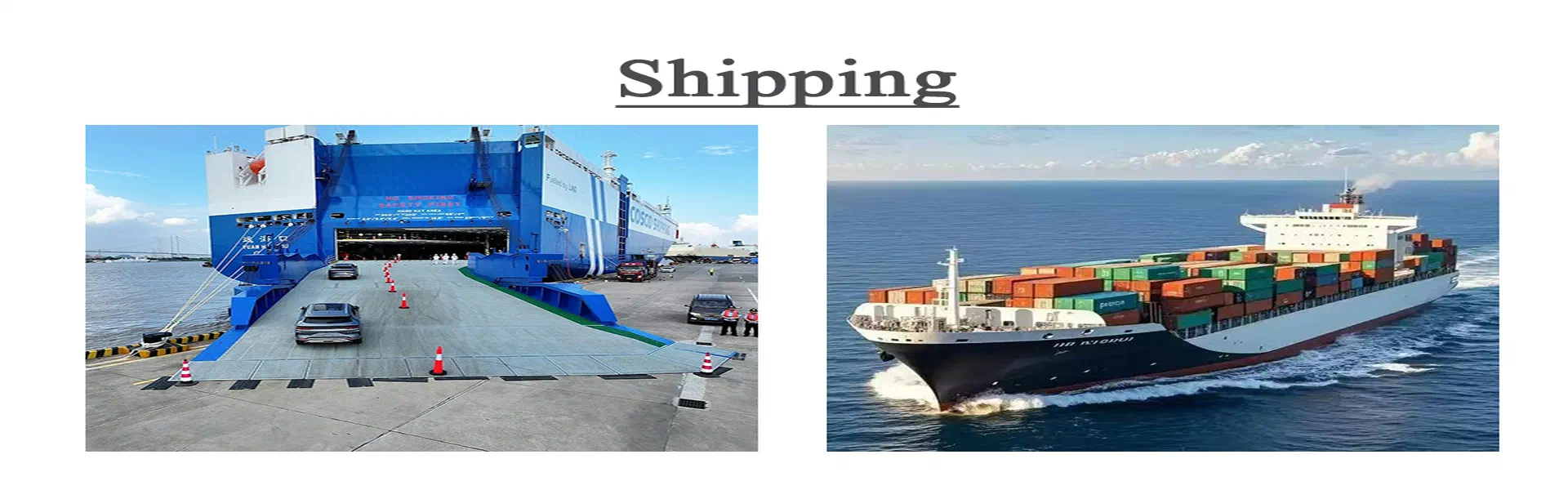
RoRo (roll-on/roll-off) shipping is generally suitable for operational vehicles that can be driven onto and off the vessel. It often reduces loading complexity and can be economical for standard SUVs. However, the vehicle travels through shared vessel and port handling operations, so buyers should consider exposure to handling damage and confirm the scope of marine insurance. Personal belongings and loose cargo are generally restricted.
Container shipping provides greater control over how a vehicle is secured and protected during ocean transport. It can be preferable for a higher-value Atto 3 or a vehicle requiring additional protection, subject to carrier acceptance and loading arrangements. The trade-off is cost. Container dimensions, vehicle clearance, loading equipment, securing materials and battery-related shipping documentation all affect acceptance. Electric vehicles may face additional carrier requirements for battery condition and transport classification. These should be confirmed before booking.
Freight rates are not determined by vehicle value alone. Shipping method, vehicle dimensions, port of loading, destination port, seasonal vessel capacity, fuel-related surcharges and insurance terms all influence the quotation. West African shipments may be routed to ports serving Ghana and Nigeria, including Tema and Lagos. Transit time depends on the sailing schedule, transshipment arrangements and port congestion. A typical ocean journey may take several weeks, but buyers should distinguish vessel transit from the complete export-to-delivery process.
Marine insurance should be arranged with clear coverage terms. Buyers need to check whether the policy covers loading, ocean transit and discharge, and understand exclusions for pre-existing damage, mechanical faults and battery-related incidents. A bill of lading records the shipment and serves as a key transport document. Its consignee details, vehicle description, destination port and shipping information should match the agreed transaction documents. Any discrepancy can complicate cargo release.
Export documentation and destination clearance
Before shipment, the exporter must arrange the required Chinese export licensing, customs declaration and pre-shipment inspection. The inspection should document the vehicle’s visible condition, VIN, odometer reading, equipment and relevant mechanical or electrical checks. For the Atto 3, battery state of health and charging performance deserve specific attention. For the Tiggo 7 Plus, engine operation, transmission response and diagnostic fault records are important. Buyers should review the inspection findings rather than rely on a general condition description.

The destination process begins after the vessel arrives. The importer or appointed clearing agent submits the required documents, pays applicable duties and port charges, and completes any local inspection or registration procedures. Requirements differ between Ghana, Nigeria, Kenya, Uganda and Tanzania. Buyers should confirm current import eligibility, age restrictions, emission requirements, LHD acceptance and tax treatment before authorising shipment. Delays can arise from incomplete paperwork, customs queries, port congestion or unpaid charges. A reliable exporter should provide the export documents, shipping updates and bill of lading information needed for coordination with the destination agent. For buyers comparing the best second hand online shop options, documentation transparency and inspection access are more useful selection criteria than listing photographs alone.
FAQ
Q: Is the BYD Atto 3 cheaper to ship than the Chery Tiggo 7 Plus?
A: Not automatically. Freight depends on vehicle dimensions, shipping method, carrier requirements and destination charges. Electric vehicle battery transport requirements may also affect the quotation.
Q: Is RoRo or container shipping better for a used SUV to West Africa?
A: RoRo is often economical for operational vehicles, while container shipping provides more control over loading and physical protection. The appropriate method depends on vehicle condition, carrier acceptance, insurance and budget.
Q: What documents should an importer receive before the vehicle leaves China?
A: Buyers should arrange the relevant export documentation, customs declaration records, pre-shipment inspection report and shipping bill of lading. Destination-specific import documents should be confirmed with the local clearing agent before shipment.