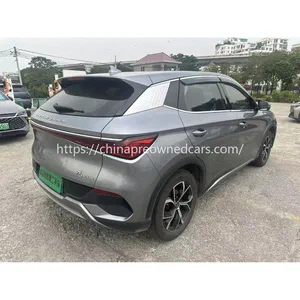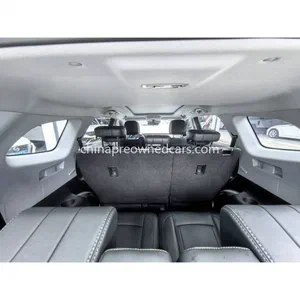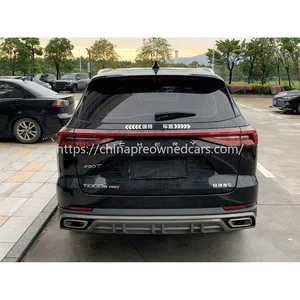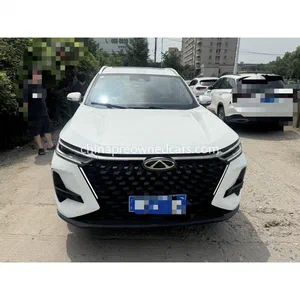
The BYD Atto 3 and Chery Tiggo 7 Plus serve different buyer requirements in the used SUV export market. The Atto 3 is a fully electric vehicle, while the Tiggo 7 Plus is offered with petrol powertrains, depending on model year and specification. For buyers in Ghana, Nigeria, Kenya, Uganda and Tanzania, the decision involves more than vehicle purchase cost: shipping method, charging access, fuel availability and destination import rules all affect the final ownership calculation.
Powertrain and destination-market suitability
The BYD Atto 3 uses a battery-electric powertrain, with no petrol engine or conventional exhaust emissions. Its driving range depends on battery capacity, model year, driving conditions and battery condition. Buyers should request the original battery specification and a recent state-of-health assessment rather than relying on the manufacturer’s new-vehicle range. Charging compatibility also requires attention. The connector standard, onboard charging equipment and available charging infrastructure must match the destination market. A vehicle that cannot connect conveniently to local charging equipment may require additional adapters or charging arrangements.
The Chery Tiggo 7 Plus uses a petrol powertrain in the relevant export configurations. Fuel consumption depends on engine variant, transmission, vehicle condition and driving conditions. Its main operational advantage is that refuelling does not depend on access to public charging stations. This can make it a more practical option where charging networks remain limited or electricity supply is inconsistent. The trade-off is exposure to fuel costs and maintenance requirements associated with an internal-combustion engine. Buyers comparing a used car price check should include expected fuel or charging expenditure, servicing and any destination-market taxes rather than comparing purchase prices alone.
Drive configuration is another important consideration. Most Chinese domestic-market vehicles are left-hand drive, including many examples of the models available through Chinese exporters. Ghana and Nigeria use right-hand traffic, while Kenya, Uganda and Tanzania drive on the left. Road layout and steering position are separate issues: a left-hand-drive vehicle may be unsuitable or restricted under destination regulations even when it can physically operate on local roads. Importers should confirm current registration and vehicle eligibility requirements before paying a deposit. Emission standards, vehicle age restrictions and inspection rules also vary and can change.
Shipping method, freight and port handling
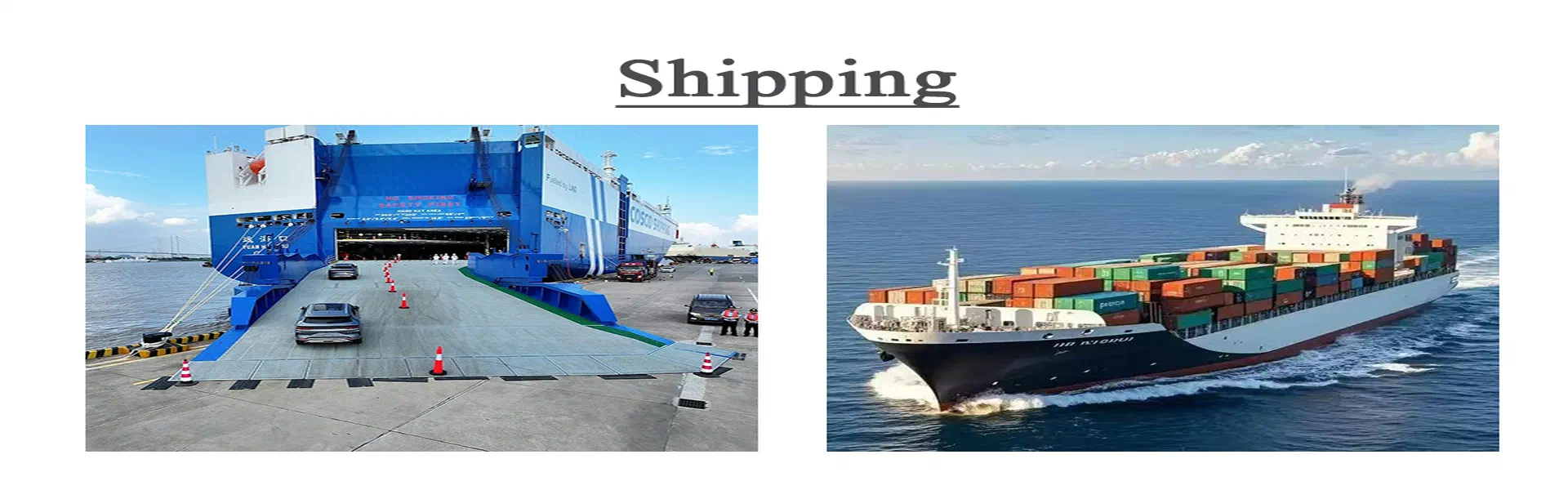
For West African shipments, RoRo and container shipping are the two principal transport options. RoRo vessels carry vehicles that are driven or rolled onto the ship and secured in designated vehicle decks. This is generally suitable for standard, operational SUVs that meet the carrier’s acceptance requirements. It can be economical for conventional petrol vehicles, although sailing schedules and port availability influence the final cost. Vehicles remain exposed to normal vessel operations and handling, so buyers should document exterior condition before loading and arrange appropriate marine insurance.

Container shipping offers a different balance. The vehicle is loaded into a container and secured for the voyage, providing greater protection from exposure to other cargo and vessel-deck conditions. It can suit higher-value vehicles, including the BYD Atto 3, where additional protection is a priority. However, loading dimensions, securing equipment, container availability and handling charges affect the total freight bill. Battery-electric vehicles also require carrier approval and compliance with applicable dangerous-goods and battery transport procedures. Their shipping documentation and acceptance conditions may differ from those for petrol vehicles. Container loading should be arranged by personnel familiar with vehicle securing and EV transport requirements.
Freight quotations depend on vehicle dimensions, shipping method, departure port, destination port, seasonal vessel capacity and applicable surcharges. Transit to West African ports such as Tema in Ghana and Lagos-area ports in Nigeria depends on the sailing route, transshipment arrangements and port congestion. Buyers should distinguish sailing time from total delivery time, which also includes export processing, vessel waiting periods and destination clearance. A quotation should identify ocean freight, origin handling, documentation charges and insurance separately. Marine insurance should be reviewed for its coverage limits, exclusions, excess and claims procedure; a bill of lading should also be checked for correct vehicle and consignee details.
Export documentation and final checks
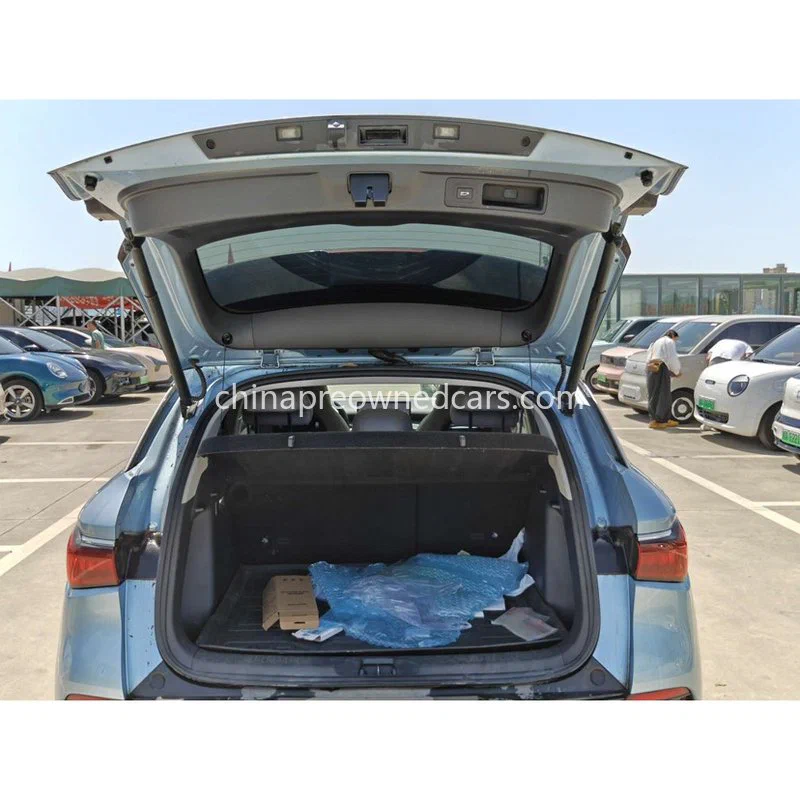
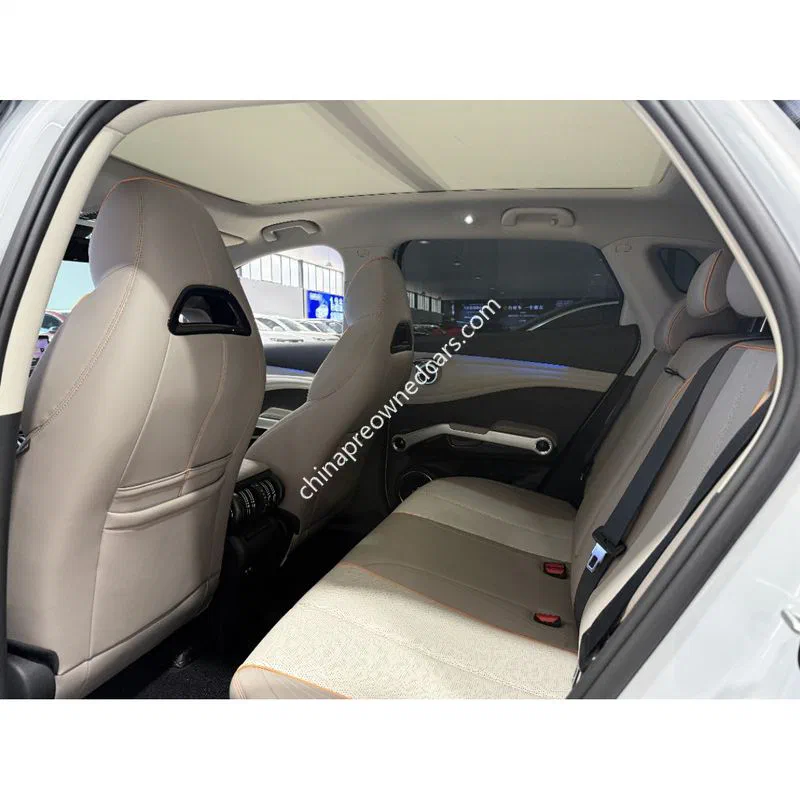
Before shipment from China, the exporter must arrange the applicable export licence, customs declaration and pre-shipment inspection. The buyer should receive the vehicle identification number (VIN), specification details, inspection findings and photographs showing the vehicle’s actual condition. For the Atto 3, request battery diagnostic information, charging-port photographs and confirmation of the vehicle’s charging specification. For the Tiggo 7 Plus, examine engine operation, transmission behaviour, maintenance records and any available diagnostic results. Neither mileage nor condition should be accepted solely on the basis of a listing description.
At destination, the consignee or appointed clearing agent uses the shipping documents and import paperwork to process customs entry, pay applicable duties and taxes, and complete any required local inspection or registration procedures. The bill of lading is particularly important because it identifies the shipment and supports cargo release. Buyers should confirm the consignee name, port details and document requirements before the vessel departs. Port storage, demurrage and clearance delays can add costs if paperwork is incomplete or collection is postponed. The final purchase decision should account for the complete landed cost, not simply the Chinese vehicle price and ocean freight. Exporters should also clarify payment milestones, inspection access, document handover and what after-sales assistance is available once the vehicle reaches its destination.
FAQ
Q: Is the BYD Atto 3 or Chery Tiggo 7 Plus better for export to Ghana and Nigeria?
A: The Atto 3 suits buyers with compatible charging access and the ability to maintain an EV. The Tiggo 7 Plus may be more practical where petrol refuelling is easier, but steering configuration and import eligibility must be checked for both.
Q: Is RoRo or container shipping better for a used SUV from China to West Africa?
A: RoRo is often suitable for operational vehicles where lower freight costs are the priority. Container shipping offers enclosed transport and can be preferable for higher-value vehicles, subject to loading costs and carrier acceptance requirements.