A used vehicle purchase for export depends on two checks: the vehicle’s actual condition and the shipping plan to West Africa. This guide explains grading, mileage and service records, inspection limits, and the practical differences between RoRo and container shipment.
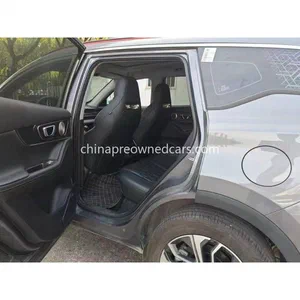
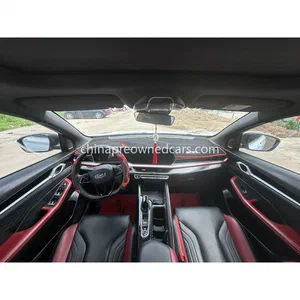
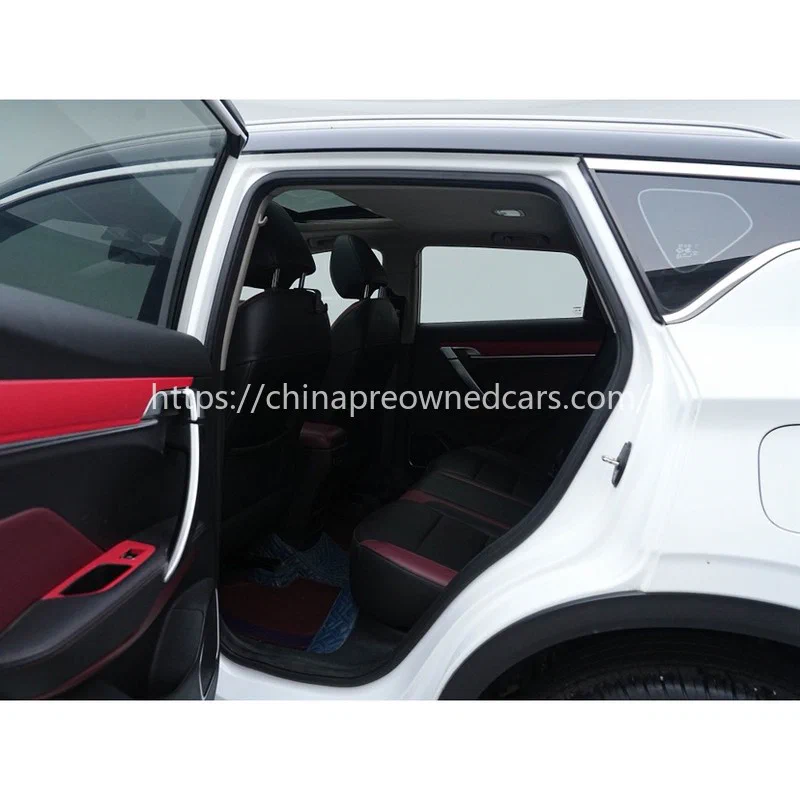
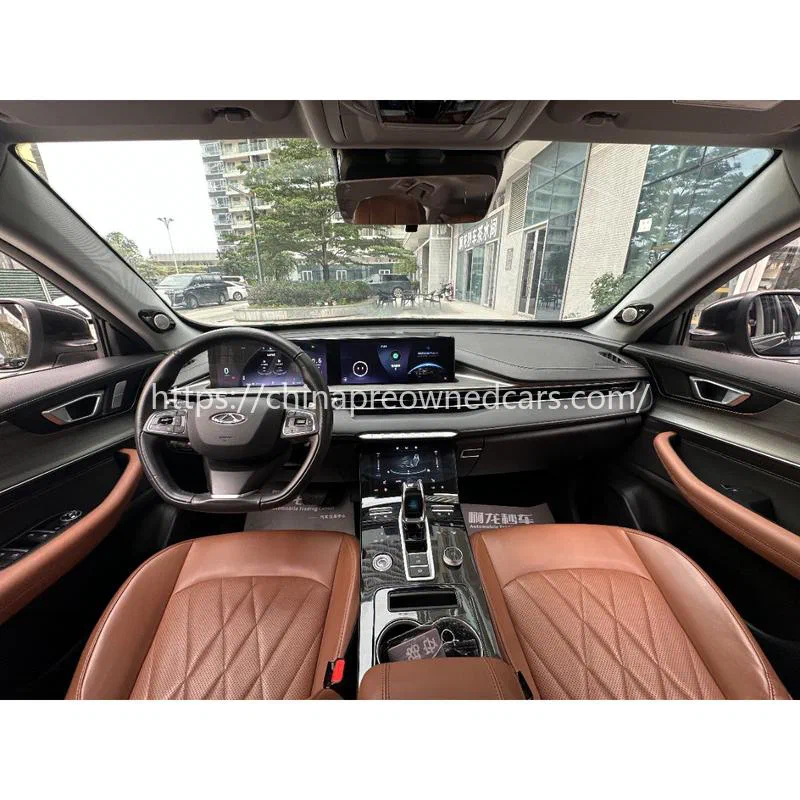
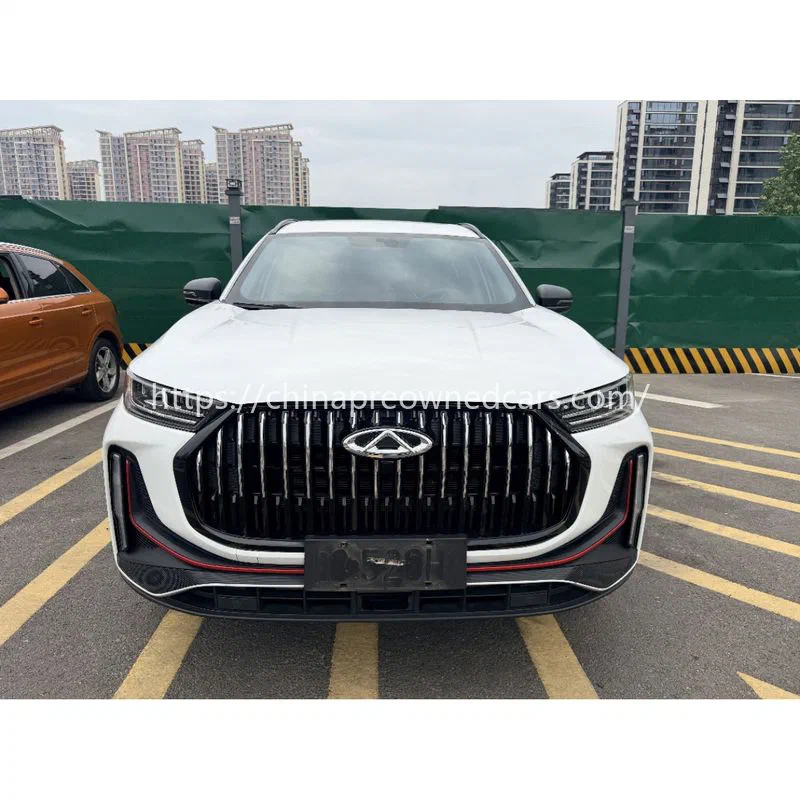
Condition grading should separate visible wear from mechanical risk. Cosmetic grading records paint scratches, dents, wheel marks, glass damage, interior wear and signs of repair. Mechanical assessment covers engine or motor operation, transmission, suspension, steering, brakes, cooling, air conditioning, warning lights and underbody damage. Mileage is best grouped into bands rather than treated as proof of quality; a higher-mileage vehicle with documented maintenance may present less risk than a low-mileage unit with gaps in its history. The same approach applies to the BYD Atto 3, Chery Tiggo 7 Plus, Chery Tiggo 8 Pro, Geely Coolray and Haval H6.
An inspection report should match the VIN, odometer reading, registration details and available service records. Buyers should request cold-start video, dashboard images, diagnostic results, underbody photographs and evidence of maintenance work. For the BYD Atto 3, battery state of health, charging performance and fault codes require specific attention. A pre-shipment inspection can identify recorded defects at the inspection date, but it cannot guarantee future battery capacity, reveal every intermittent fault, or replace a full repair history. “Export-grade” or “dealer-grade” should therefore mean a documented inspection standard, not an assurance of perfect condition.

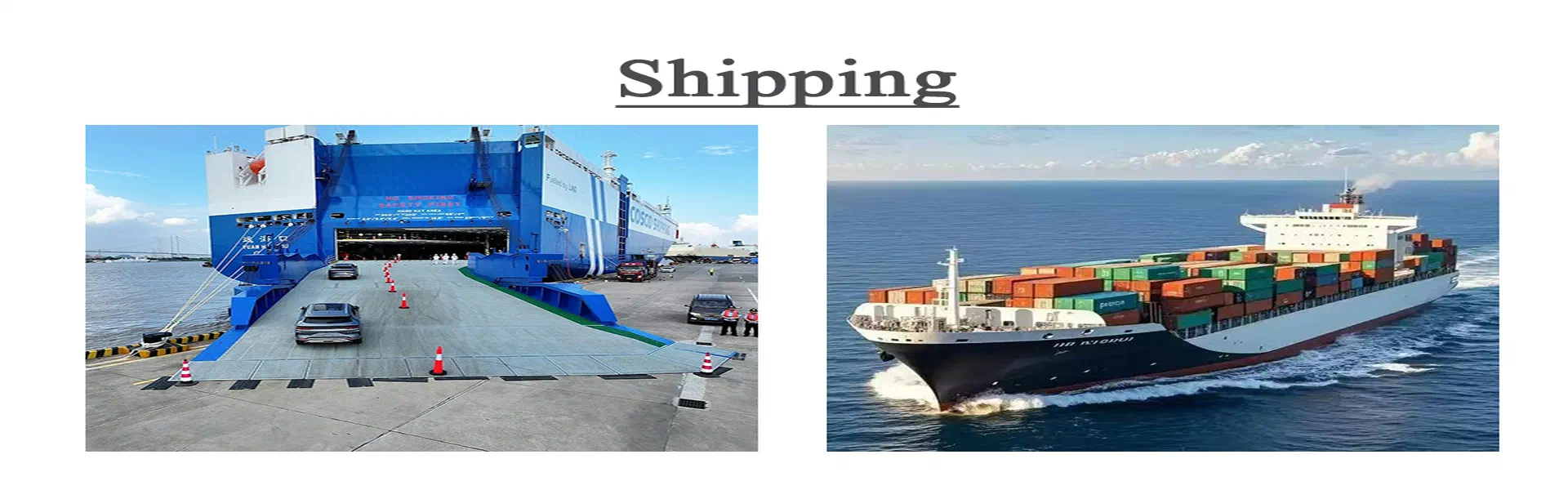
Shipping begins after export licensing, purchase documentation, customs declaration and inspection requirements are arranged. RoRo usually suits a running vehicle that can be driven onto the vessel. It avoids container loading work, but the vehicle is exposed within the vessel’s vehicle decks and personal cargo is normally restricted. Container shipping offers more protection from weather and allows controlled loading, yet requires securing equipment, suitable container dimensions and attention to clearance around mirrors and doors. Freight rates depend on vehicle size, origin handling, fuel and seasonal adjustments, destination port charges, and the selected service. Transit to a West African port commonly takes several weeks, excluding clearance delays.
Marine insurance should be considered separately from the freight booking, with coverage and exclusions confirmed in writing. The bill of lading records the shipment, vehicle identification and consignee details, so names and VIN data must be checked before release. At destination, the consignee or clearing agent handles arrival notice, customs entry, duties and local compliance checks before port release. Ghana, Nigeria, Kenya, Uganda and Tanzania apply their own rules on vehicle age, emissions, drive side and roadworthiness. Most Chinese domestic vehicles are left-hand drive, which may limit suitability for right-hand-drive requirements. Import rules should be confirmed before payment, along with charging access for an EV and the documents needed for registration.
FAQ
Q: What is the process of buying second hand car for export? A: Select a vehicle, verify its VIN and condition records, agree the sales terms, complete payment under the contract, then arrange export licensing, inspection, customs clearance and shipping. The buyer should also confirm destination import rules before committing funds.
Q: Which is safer, RoRo or container shipping? A: Container shipping provides more control over loading and weather exposure but has tighter space and securing requirements. RoRo is often simpler for a running vehicle, while marine insurance and careful condition records remain important for either method.