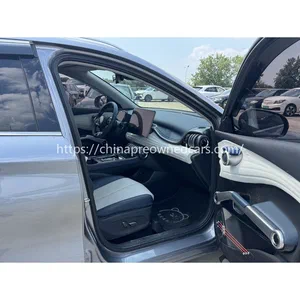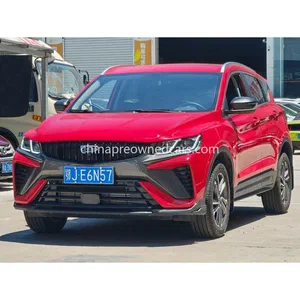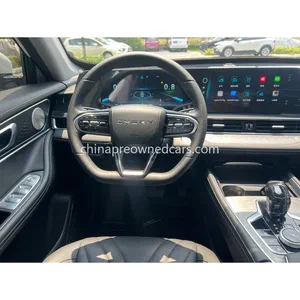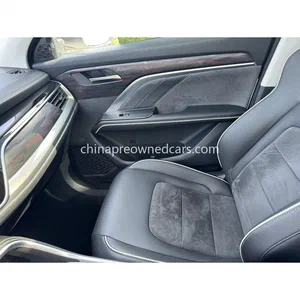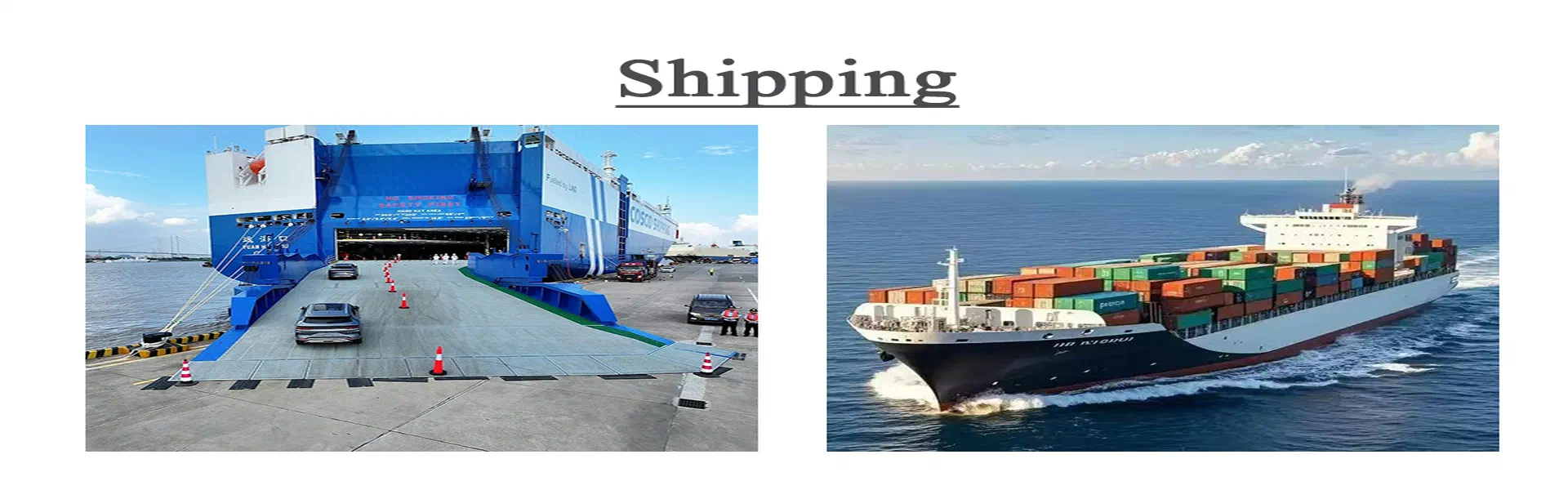
Budget planning for rural roads in East Africa starts with the full cost of getting a vehicle to its destination, not simply its purchase price in China. Buyers in Ghana, Nigeria, Kenya, Uganda and Tanzania must assess road conditions, vehicle configuration, import rules and shipping expenses together. For Chinese used SUVs, the choice between RoRo and container shipping can materially affect the final landed cost and the condition of the vehicle on arrival.
Rural road conditions and vehicle selection
Rural transport requirements differ from those in major East African cities. Unpaved roads, potholes, seasonal flooding, loose gravel and long distances between service centres place greater demands on suspension components, tyres and ground clearance. Vehicles used regularly outside urban areas need a practical balance of ride height, underbody protection and mechanical condition. A large SUV is not automatically the better choice. Excessive weight, expensive replacement parts or complex electronic systems can increase ownership costs where specialist repair facilities are limited.
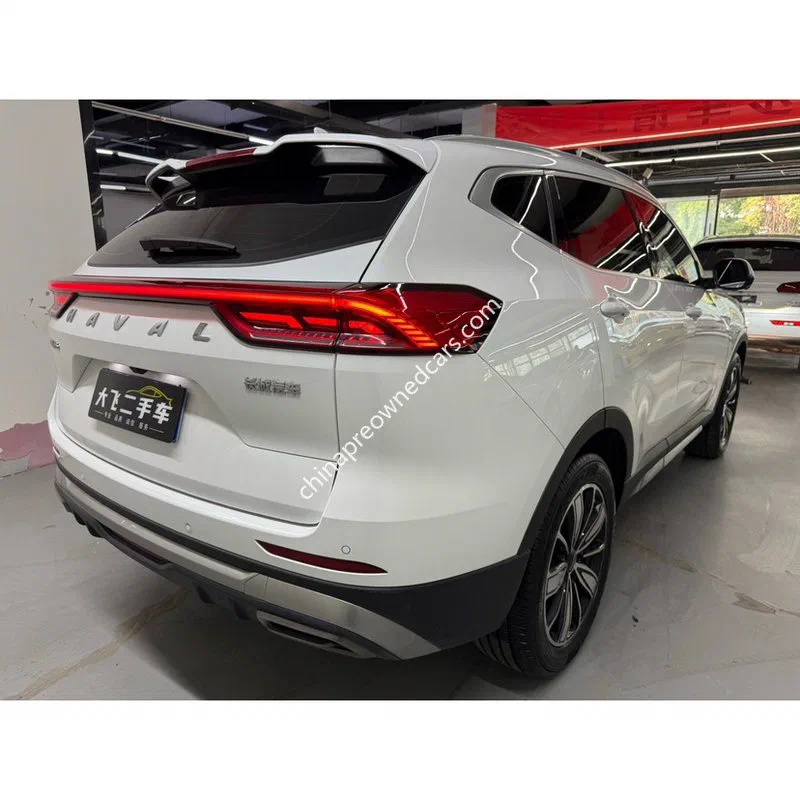
The available Chinese models serve different purposes. The Geely Coolray is a compact SUV suited more naturally to mixed urban and regional travel than demanding rural terrain. The Haval H6 offers a larger cabin and a more substantial SUV layout, while the Chery Tiggo 7 Plus provides another option for buyers seeking passenger space and everyday road usability. The Chery Tiggo 8 Pro is larger, making it relevant to buyers carrying more passengers, although its size and running costs should be considered before purchase. The BYD Atto 3 is an electric SUV. Its suitability depends heavily on charging access, battery condition and the availability of technical support.
A search for a used vehicle under 3000 may reflect a buyer’s preferred budget, but the purchase price alone does not establish whether a vehicle is affordable to import. Freight, insurance, port charges, customs duties, inspection expenses and inland transport can substantially change the total. A relatively inexpensive vehicle may become an uneconomic purchase after shipping. Buyers should request a complete cost breakdown before confirming an order, with the vehicle price and estimated destination expenses shown separately.
Shipping from China: RoRo or container?
RoRo shipping is commonly considered for vehicles that can be driven or moved directly onto a specialised vessel. The vehicle is secured in a designated deck area and discharged at the destination port. This method can be economical for standard running vehicles because it avoids the additional loading arrangements associated with containers. However, RoRo availability depends on vessel schedules and the route serving the destination port. Buyers should also establish the carrier’s rules concerning personal items, fuel levels, vehicle operability and acceptable vehicle dimensions.
Container shipping offers a different set of trade-offs. A vehicle is loaded into a shipping container and secured for the voyage. This can provide greater control over exposure to port handling and weather during transit, although damage remains possible if securing and loading are poorly carried out. Container transport may suit higher-value vehicles, non-running units where the carrier accepts them, or shipments requiring more controlled handling. Loading dimensions matter. The vehicle must fit within the usable container space, allowing for securing equipment and safe access during loading. Buyers should also check whether shared-container arrangements are available and how responsibility for loading and unloading is allocated.
Freight quotations depend on more than the shipping method. Vehicle dimensions, weight, departure port, destination port, vessel availability, seasonal demand and fuel-related surcharges all affect the final amount. Shipping to West African destinations such as Tema in Ghana and Lagos in Nigeria requires confirmation of the actual route and discharge arrangements. East African shipments to Kenya, Tanzania and Uganda follow different port and inland transport arrangements. Transit time should be treated as an estimate rather than a fixed arrival commitment. Vessel schedules, transshipment, port congestion and customs processing can extend the overall delivery period.
Marine insurance deserves separate attention. A carrier’s standard liability is not necessarily equivalent to comprehensive insurance for the vehicle’s full commercial value. Buyers should review the insured amount, covered risks, exclusions, deductible and claims procedure before shipment. Photographs taken before loading, together with an inspection report and vehicle identification details, provide useful evidence if damage is discovered after discharge. The bill of lading is also essential. It records the shipment and serves as a key transport document, so the consignee name, vehicle description, destination and other particulars should be checked before the final document is issued.
Import requirements and destination-port planning
Shipping arrangements must match the destination country’s vehicle regulations. Ghana, Nigeria, Kenya, Uganda and Tanzania each maintain their own requirements concerning vehicle age, emissions, roadworthiness, documentation and import duties. These rules can change, and buyers should confirm the current position with the relevant customs authority or a qualified clearing agent before paying for a vehicle. The exporter’s Chinese documentation cannot replace local import approval.
Drive configuration is particularly important. Most vehicles in China’s domestic market are left-hand drive, while several East African markets operate predominantly right-hand-drive road systems. Ghana and Nigeria also require buyers to check their applicable vehicle configuration rules. A left-hand-drive vehicle should never be assumed to qualify simply because it can be shipped. The BYD Atto 3, Haval H6, Geely Coolray and Chery Tiggo models must each be checked against the destination’s current import conditions before an order is confirmed.
The destination port is another major part of the cost calculation. Once the vessel arrives, the consignee or appointed clearing agent normally needs to present the bill of lading, commercial invoice, export and vehicle documents, and any required inspection or import certificates. Customs assesses the declaration and applicable charges before release. Additional expenses may include port handling, storage, terminal charges, inspection fees and inland transport. Delays in document submission or payment can lead to storage costs, particularly when port free-time limits expire. Uganda-bound vehicles, for example, require particular attention to onward transport arrangements because the country is landlocked. A buyer should budget for the journey beyond the seaport rather than treating port arrival as final delivery.
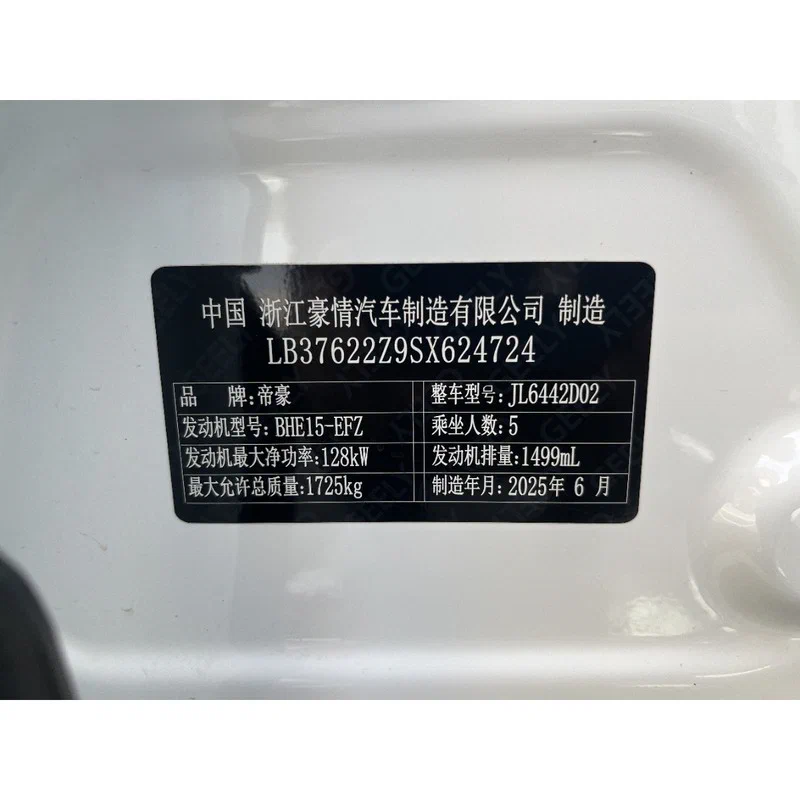
Before shipment, the exporter should arrange the required Chinese export licensing, customs declaration and pre-shipment inspection. The inspection should record the VIN, odometer reading, visible body damage, tyre condition, dashboard warnings and evidence of previous repairs. For the BYD Atto 3, battery state of health, charging performance and diagnostic records need additional attention. Battery transport also involves carrier-specific requirements, so acceptance for shipment should be confirmed before booking. Buyers should receive the available inspection findings and supporting photographs for review.

The most useful purchasing decision is based on the complete landed-cost calculation and the vehicle’s intended working conditions. Payment terms should identify the deposit, balance-payment stage, inspection arrangements and circumstances under which shipping documents are released. The contract should also specify which party pays export charges, freight, insurance and destination expenses. After-sales support needs similar clarity. Buyers should establish whether the exporter can provide diagnostic information, parts references and assistance with technical enquiries after arrival. For rural operators, access to compatible parts and local repair expertise may matter more over the ownership period than a small difference in the initial purchase price.

FAQ
Q: Is RoRo shipping cheaper than container shipping for used SUVs?
A: RoRo is often less expensive for standard running vehicles, while containers offer more controlled loading and protection from some handling and weather exposure. Actual costs depend on the route, vehicle dimensions and carrier quotation.
Q: Can Chinese left-hand-drive SUVs be imported into Ghana, Nigeria or Kenya?
A: Import eligibility depends on each country’s current vehicle regulations and drive-side requirements. Buyers should verify the specific model and configuration with local customs authorities before purchase.
Q: What documents are needed to clear a used vehicle at a West African port?
A: Common documents include the bill of lading, commercial invoice, vehicle identification details and relevant export and inspection documents. Additional certificates or declarations may be required under the destination country’s current regulations.