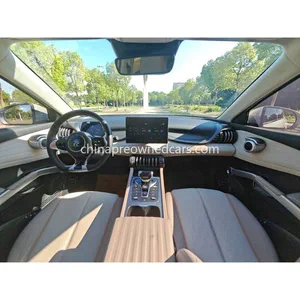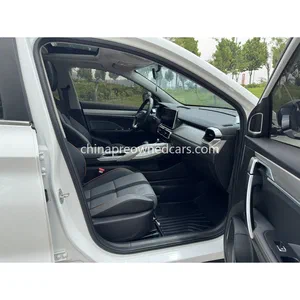
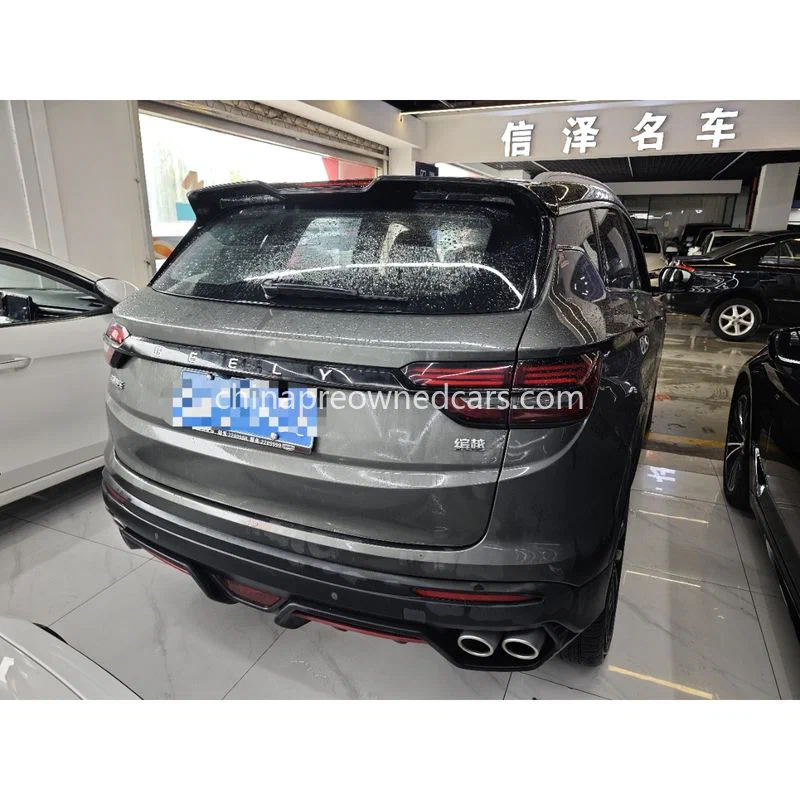
A budget search for a 2nd hand car under 50000 should begin with verification, not a deposit. This guide covers vehicle checks and the shipping steps for used SUVs moving from China to West Africa.
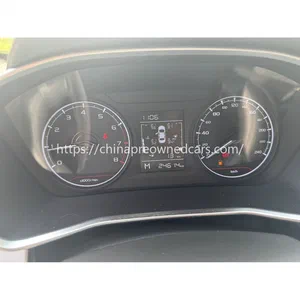
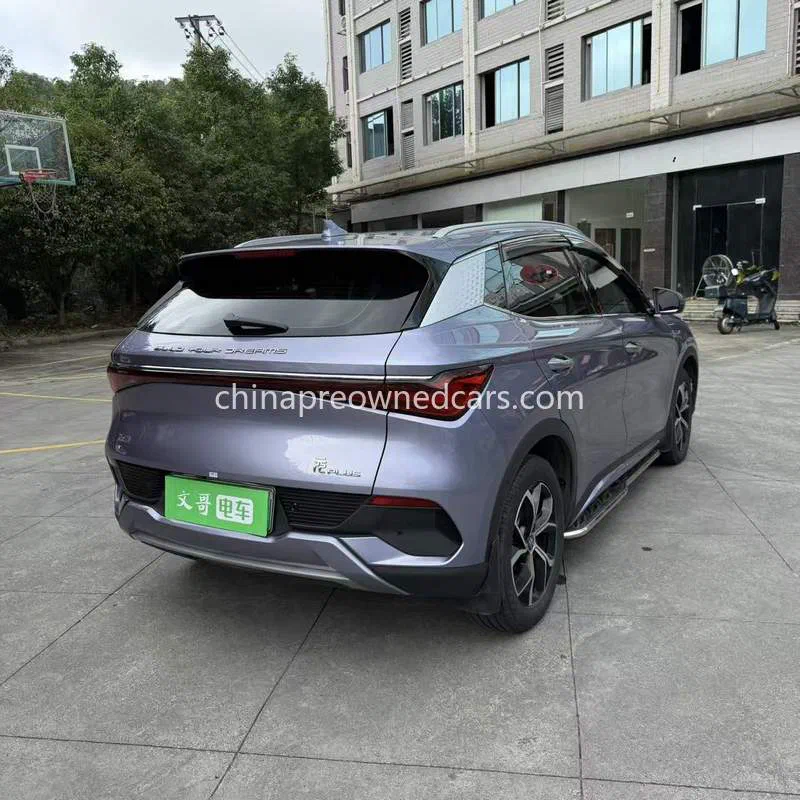
Confirm the vehicle identity first. The VIN should match the body plate, registration records, dashboard display and export paperwork; mismatches can indicate replacement parts or a questionable history. Request dated service records, odometer evidence and an accident check, then compare them with the inspection report and current photographs. Check paint differences, panel gaps, airbag indicators, underbody damage, tyre wear and warning lights. For a BYD Atto 3 or another electrified vehicle, request a battery state-of-health test, charging-system check and details of any previous battery repair. Chery Tiggo 7 Plus, Chery Tiggo 8 Pro, Geely Coolray and Haval H6 should also be assessed for engine, gearbox, cooling and suspension condition rather than judged by mileage alone.
The exporter should explain its company identity, inspection process, contract terms and handling of complaints. Before payment, request the vehicle inspection report, VIN record, sales contract, export license information and the documents used for customs declaration and pre-shipment inspection. The final document set normally includes the commercial invoice, packing or vehicle details, customs clearance records and bill of lading. Payment terms should identify the deposit, balance trigger, bank beneficiary and cancellation conditions. Avoid accounts unrelated to the contracting exporter. A clear quotation should separate vehicle cost, inland transport, inspection, documentation, ocean freight, marine insurance and destination charges.

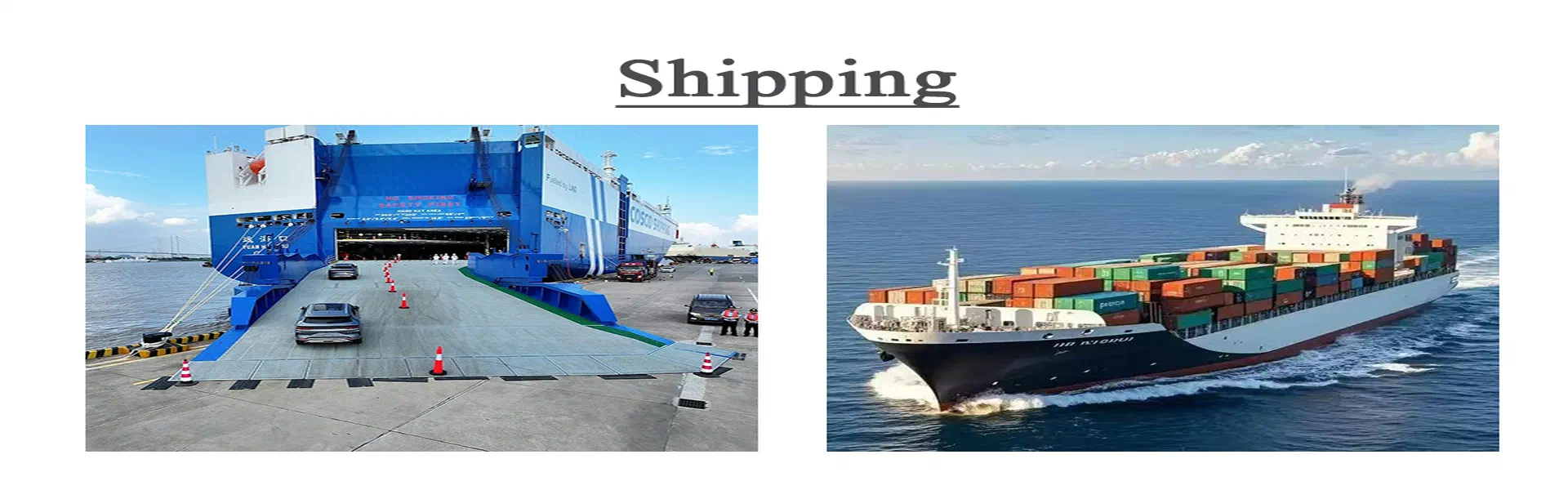
RoRo shipping usually suits a running vehicle and can reduce loading work, but access to the cabin and cargo is limited, and unsecured personal items create loss or damage exposure. Container shipping offers more protection and permits controlled loading, though vehicle dimensions, container availability and loading fees affect the total cost. Freight rates change with vehicle size, sailing schedule, origin terminal, fuel costs, season and destination port. Transit to West African ports commonly takes several weeks, with port congestion and transshipment adding variation. Marine insurance should state the covered risks and claims procedure. At destination, the consignee or clearing agent presents the bill of lading and customs documents, pays applicable charges, completes local clearance and arranges release. Ghana, Nigeria and other markets set their own rules on left-hand drive, vehicle age, emissions and roadworthiness. Most Chinese domestic vehicles are LHD, so confirm suitability before purchase and check the current import rules with a local agent.
FAQ
Q: Is RoRo always cheaper than container shipping? A: Not always. RoRo may cost less for a standard running vehicle, but route availability, port fees, insurance and vehicle size can change the landed cost.
Q: What should an EV buyer verify before shipment? A: Request a battery state-of-health report, charging test and battery repair history. Confirm transport arrangements and destination-port procedures for the high-voltage battery.