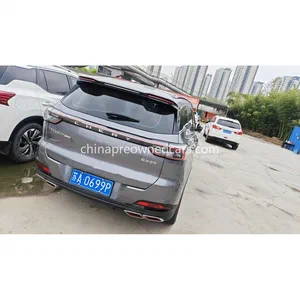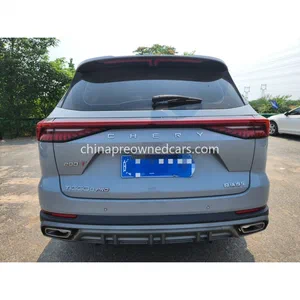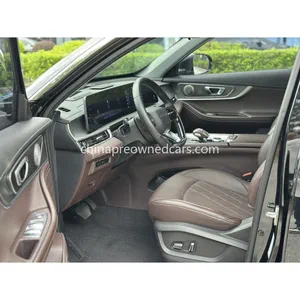
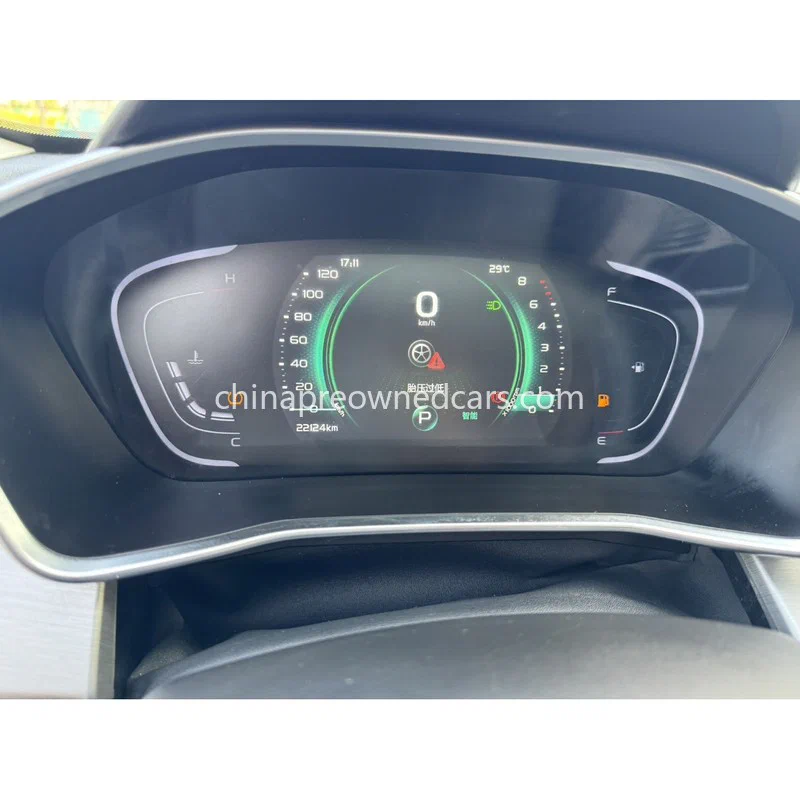
Importing nearly new cars from China into Ghana and Nigeria involves understanding the shipping process, related costs, and vehicle conditions to make informed purchasing decisions. Dealers and importers benefit from knowing the logistics of importing left-hand-drive vehicles, including duties, landed costs, and shipping methods.
Shipping cars from China to West Africa typically involves Roll-on/Roll-off (RoRo) or container shipping. RoRo is often more affordable and quicker, as vehicles are driven directly onto the vessel, but it provides less protection than containers. Choosing the right shipping method involves considering the type of vehicle and the balance between cost and security. Import duties and taxes in Ghana and Nigeria significantly influence the total landed cost, often including customs fees and VAT.
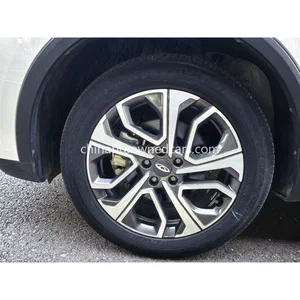
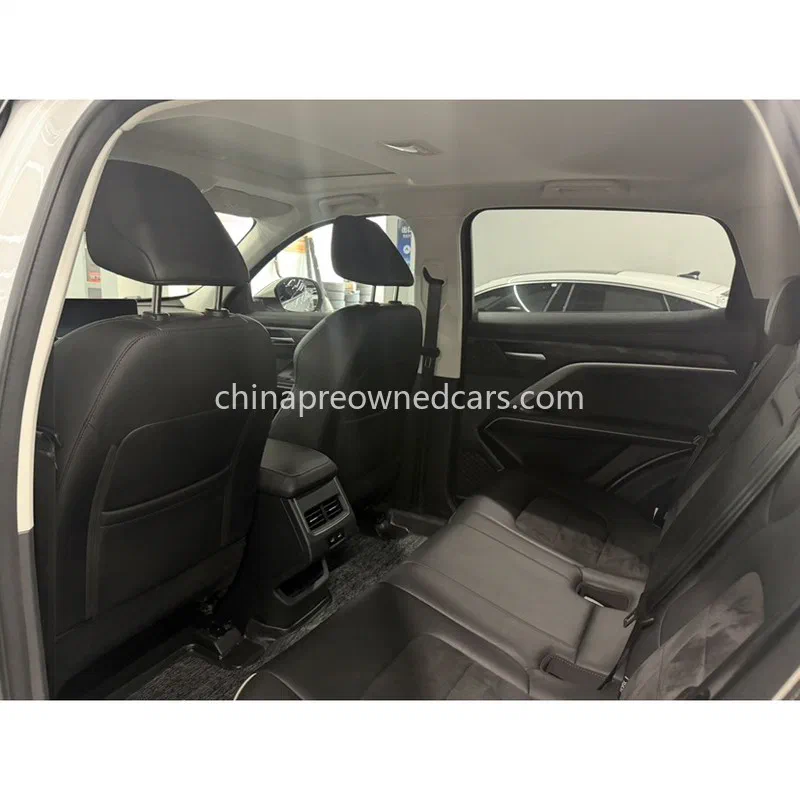
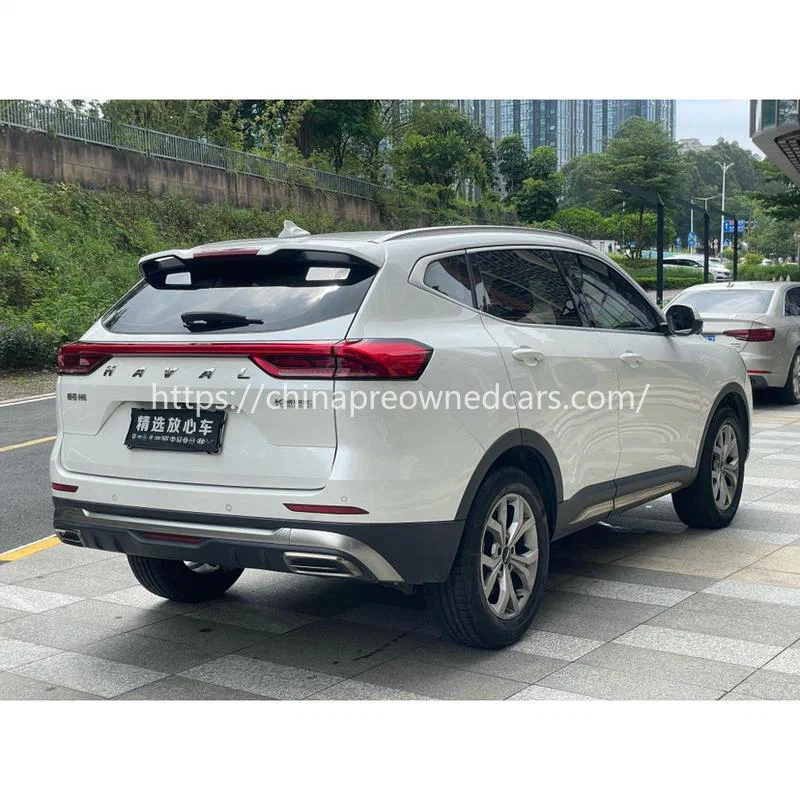
Understanding the condition of the vehicles is crucial for buyers. All vehicles are thoroughly inspected before shipping to ensure they meet quality standards. This includes checking for mileage accuracy, verifying service history, and ensuring there are no outstanding mechanical issues. Buyers should also assess the vehicle’s suitability for the local environment, considering factors like fuel economy and spare parts availability.
The financial aspect of importing vehicles involves more than just the purchase price. CIF (Cost, Insurance, and Freight) terms are commonly used, encompassing the cost of the vehicle, insurance during transit, and freight charges to the destination port. It’s essential for buyers to calculate the total cost of ownership, which includes import duties, port clearance fees, and any additional charges incurred in the destination country.
FAQ
Q: How long does it take to ship a car from China to Ghana or Nigeria? A: Shipping typically takes 4 to 6 weeks, depending on the shipping method and port congestion.
Q: What documents are needed to import a car into Ghana or Nigeria? A: Key documents include the bill of lading, import duty receipts, vehicle inspection certificates, and proof of ownership.
Q: Are there warranty options available for these vehicles? A: Warranty options vary but are generally limited for used vehicles; buyers should verify this with the seller.