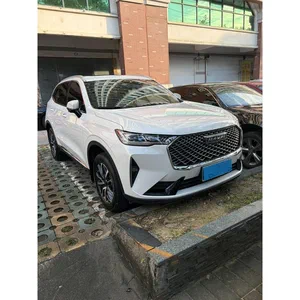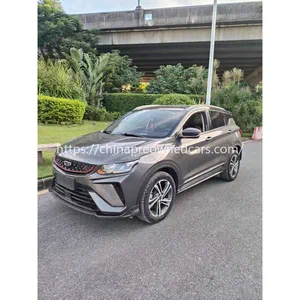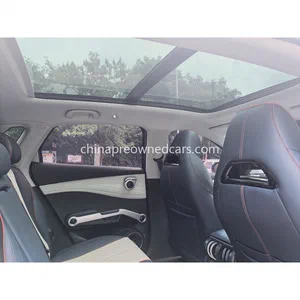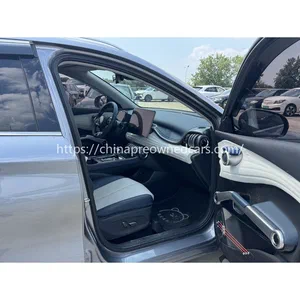
A used vehicle’s auction price and odometer reading provide only part of the evidence needed to assess its export value. Buyers sourcing Chinese SUVs for West Africa should evaluate physical condition, mechanical health, service records and shipping exposure before committing funds. The inspection findings also need to be considered alongside freight costs and destination import requirements.
Assessing condition beyond the listing
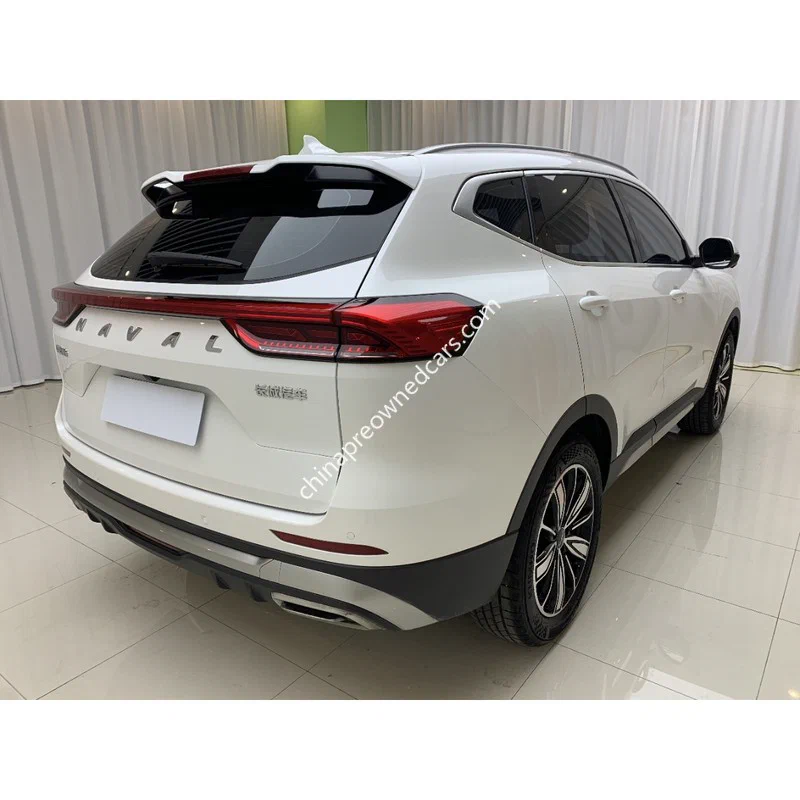
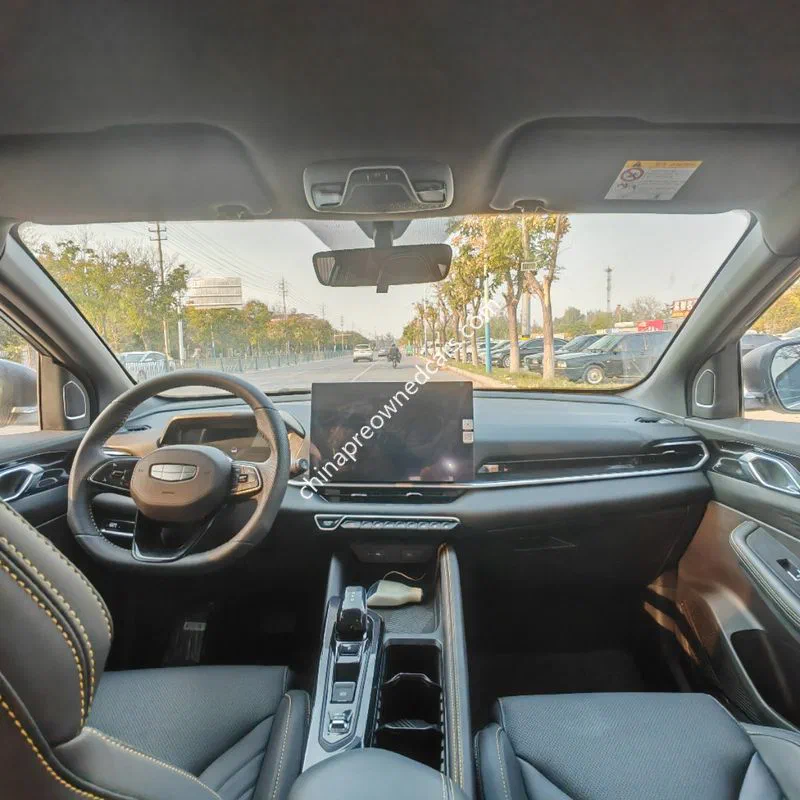
Vehicle grading commonly separates cosmetic appearance from mechanical condition and documented history. Cosmetic checks cover paintwork, dents, glass, interior wear, tyre condition and signs of previous repairs. Mechanical checks examine the engine or electric drive system, transmission, steering, suspension, brakes and diagnostic fault codes. A clean exterior does not establish mechanical soundness, and a freshly repainted panel may conceal earlier damage.
Mileage is useful when interpreted alongside age, maintenance records and wear. Lower mileage can reduce expected wear, but it does not prove that a vehicle has been maintained properly. Compare the odometer reading with service invoices, inspection records and available electronic data. For a BYD Atto 3, battery state of health and charging performance require separate assessment. For petrol-powered models such as the Chery Tiggo 7 Plus, Chery Tiggo 8 Pro, Geely Coolray and Haval H6, engine operation, fluid leaks and transmission behaviour deserve close attention.
Service history helps explain the condition observed during inspection. Buyers should request available maintenance invoices, accident or repair records, diagnostic reports and VIN details. Missing records are not proof of damage, but they leave important questions unresolved. VIN consistency across the vehicle, export documents and available history reports should be checked before payment. Listings for used cars at auction prices may offer an attractive purchase figure, yet repair costs and shipping exposure can change the landed cost substantially.
Inspection findings and export-grade standards

An export-grade or dealer-grade description has limited value unless the seller defines its criteria. It should refer to specific inspection findings, not imply that every component is fault-free or that the vehicle carries a universal certification. A useful report identifies visible damage, mechanical observations, warning lights, tyre condition, evidence of repairs and any systems that could not be tested. Buyers should confirm the inspection date and request dated photographs or video of the actual vehicle, including its VIN and odometer.
Inspection also has limits. A static examination may not reveal intermittent electrical faults, internal engine wear, concealed structural repairs or problems that emerge under extended driving. Battery diagnostic estimates can vary with testing conditions and equipment. Buyers should ask which tests were completed, which components were inaccessible and whether a road test or specialist battery assessment was performed. Unexplained warning lights, inconsistent mileage records, corrosion, uneven panel gaps, fluid leaks and reluctance to provide vehicle-specific evidence warrant further investigation.
RoRo or container shipping to West Africa
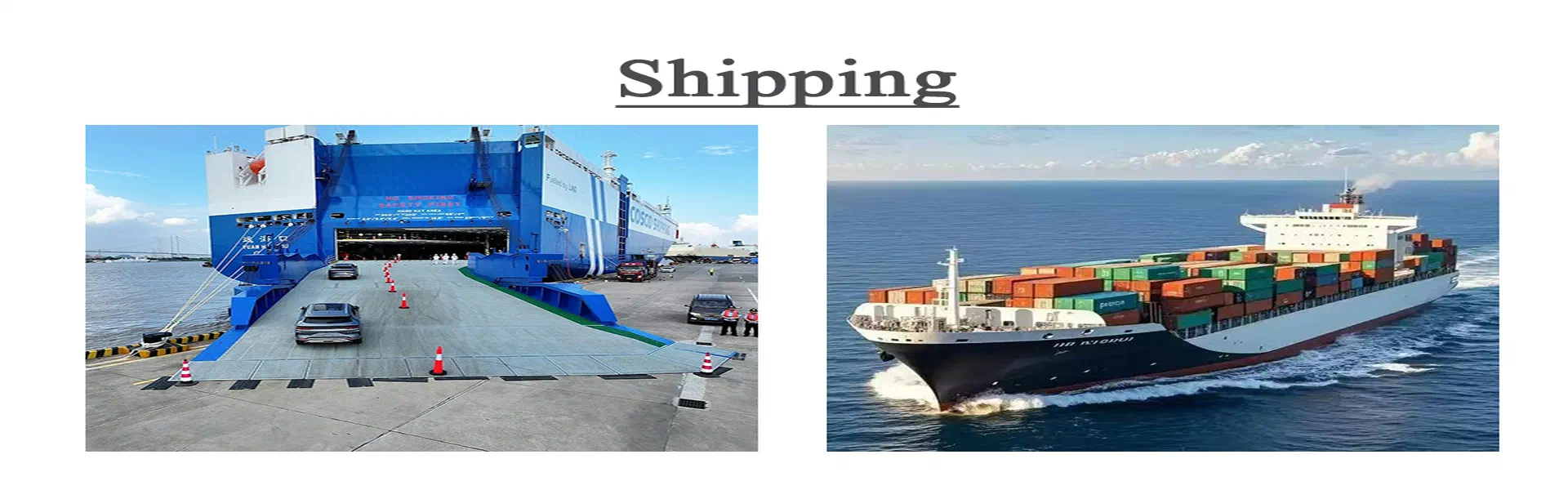
Once the vehicle is selected, shipping method becomes part of the condition-risk assessment. Roll-on/roll-off (RoRo) services carry vehicles that can be driven or moved aboard the vessel, generally making them a practical option for standard vehicles when suitable sailings are available. Access to the vehicle during transit is restricted, and handling or exposure during port operations remains a consideration. Container shipping can provide additional physical separation from other cargo and may suit vehicles requiring enclosed transport, but loading, securing and container handling introduce their own risks. Container dimensions, vehicle clearance and any restrictions on carrying accessories or other goods must be checked before booking.
Freight quotations depend on vehicle dimensions, shipping route, departure port, destination port, seasonal capacity, fuel-related surcharges, handling charges and the selected transport method. Buyers should compare the full quotation rather than the headline ocean freight figure. Ask which origin charges, documentation fees, loading costs and destination charges are included. Transit time to West African ports varies with the sailing schedule, transshipment, congestion and customs procedures; a vessel’s sailing duration is not the same as the time required to collect a cleared vehicle.
Before dispatch, buyers should agree on a vehicle condition record and confirm whether marine insurance is arranged. Coverage terms matter: exclusions, deductibles, insured value and claim procedures should be reviewed rather than assuming every scratch or delay is covered. Export processing in China involves the applicable export licensing, customs declaration and pre-shipment inspection requirements. The bill of lading records key shipment details and serves as a central transport document, so the consignee, vehicle description and destination must be checked carefully.
At destination, the importer or appointed clearing agent handles arrival formalities, applicable duties and taxes, document presentation and release procedures. Ghana, Nigeria, Kenya, Uganda and Tanzania each have rules that must be confirmed for the specific vehicle and current import route. Buyers should verify vehicle-age restrictions, emissions requirements, roadworthiness standards and left-hand-drive eligibility before purchase. Most Chinese domestic vehicles are left-hand drive, which can limit suitability for markets or registration categories that require right-hand drive. Allow time and budget for port storage if documents or clearance are delayed.
FAQ
Q: Does a low-mileage vehicle automatically qualify as export-grade?
A: No. Mileage must be assessed alongside service records, mechanical testing, accident evidence and the vehicle’s overall condition. Export-grade should be supported by defined inspection criteria and vehicle-specific findings.
Q: Which shipping method is better for a used SUV going to West Africa?
A: RoRo is often practical for standard, operable vehicles, while container shipping may suit buyers seeking enclosed transport or handling specific loading requirements. Compare total charges, sailing schedules, insurance terms and destination handling costs before choosing.