A certified used SUV can reduce uncertainty for African importers, but the value depends on what the certification actually covers. For buyers in Ghana, Nigeria, Kenya, Uganda and Tanzania, vehicle suitability and shipping arrangements matter as much as the inspection itself. A vehicle that passes a domestic inspection still needs to meet the destination country’s import requirements and arrive in acceptable condition.
Certification and suitability for West African markets
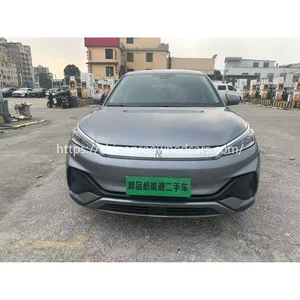
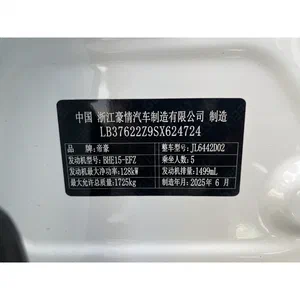
Certification should begin with a documented assessment of the individual vehicle, not simply a label supplied by the seller. Buyers should request the inspection scope, vehicle identification number (VIN), mileage records, service history and photographs of any previous damage. A useful report covers the engine or electric drive system, transmission, suspension, brakes, tyres, bodywork and electrical equipment. For electric SUVs such as the BYD Atto 3, battery state of health (SOH), charging performance and battery diagnostic records also require attention. Certification is only meaningful when its inspection criteria and supporting evidence are available for review.
Drive configuration is an early purchasing decision. Ghana and Nigeria use right-hand traffic, making left-hand-drive (LHD) vehicles generally compatible with their road layouts. Kenya, Uganda and Tanzania use left-hand traffic, where right-hand-drive vehicles are normally the appropriate configuration. Most vehicles sourced from China’s domestic market are LHD. Buyers targeting East Africa should therefore confirm registration eligibility before paying a deposit, rather than assuming that a suitable vehicle can automatically be imported. Vehicle age restrictions, emissions requirements, roadworthiness standards and import duties also differ between countries and can change. Current rules should be checked with the destination customs authority or a licensed clearing agent.

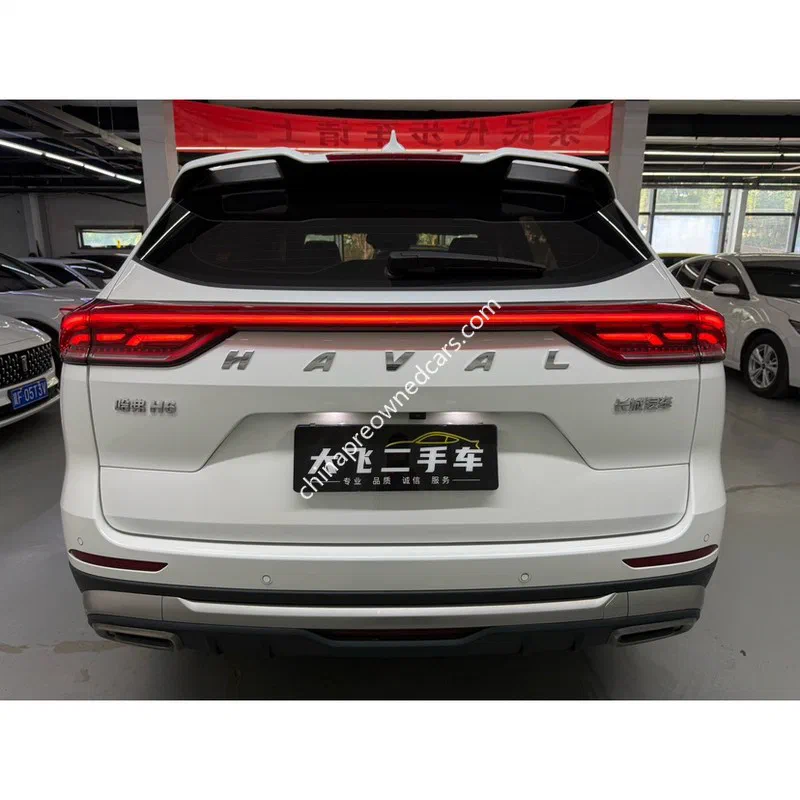
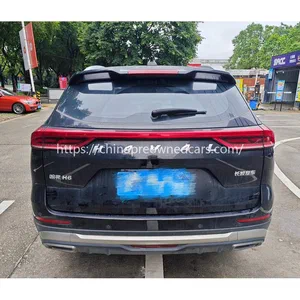
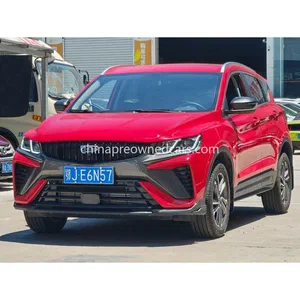
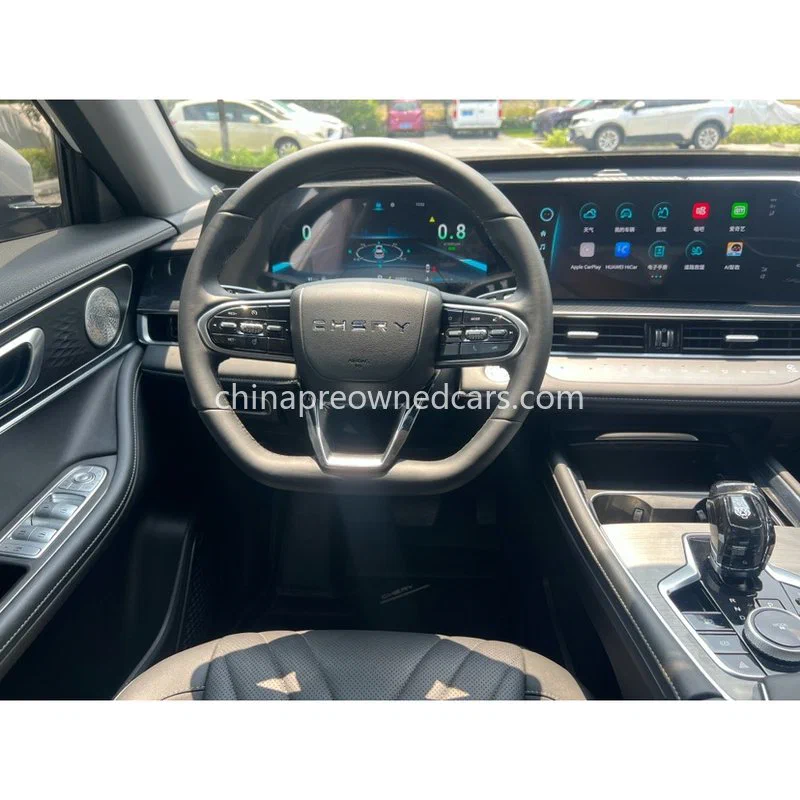
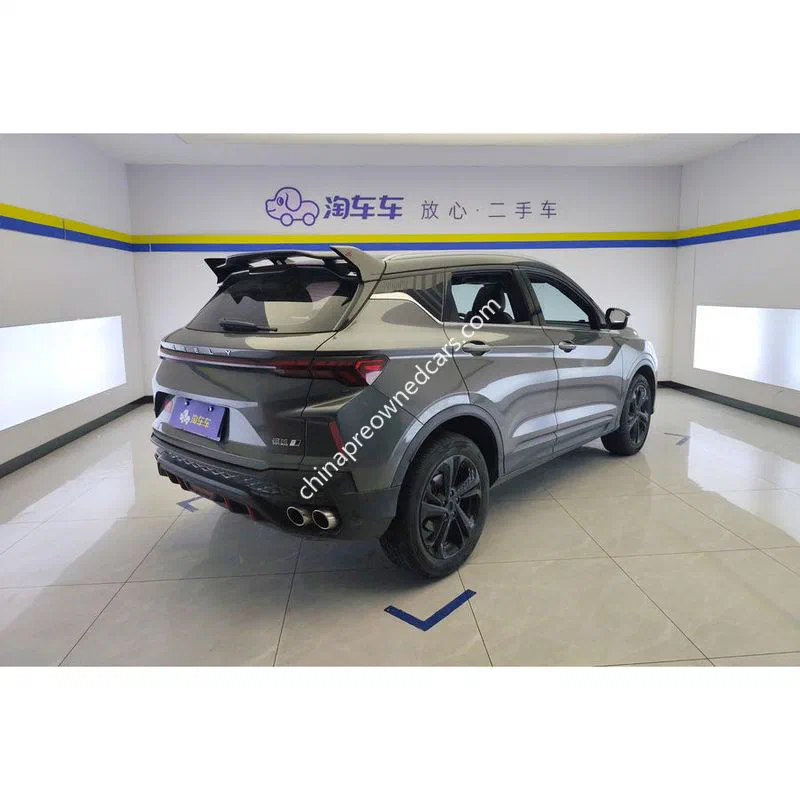
Road and operating conditions influence model selection. The Chery Tiggo 7 Plus, Chery Tiggo 8 Pro, Geely Coolray and Haval H6 offer petrol-powered alternatives for buyers who prefer conventional refuelling. The BYD Atto 3 is an electric SUV, but its suitability depends on charging access, local electricity reliability and the availability of technicians familiar with its battery system. Heat, dust, uneven roads and extended journeys also make cooling performance, suspension condition, tyre quality and ground clearance important inspection points. Buyers should compare actual specifications and vehicle condition rather than relying on model reputation. For electric vehicles, battery transport requirements must also be considered when arranging ocean freight.
Shipping arrangements and destination port procedures
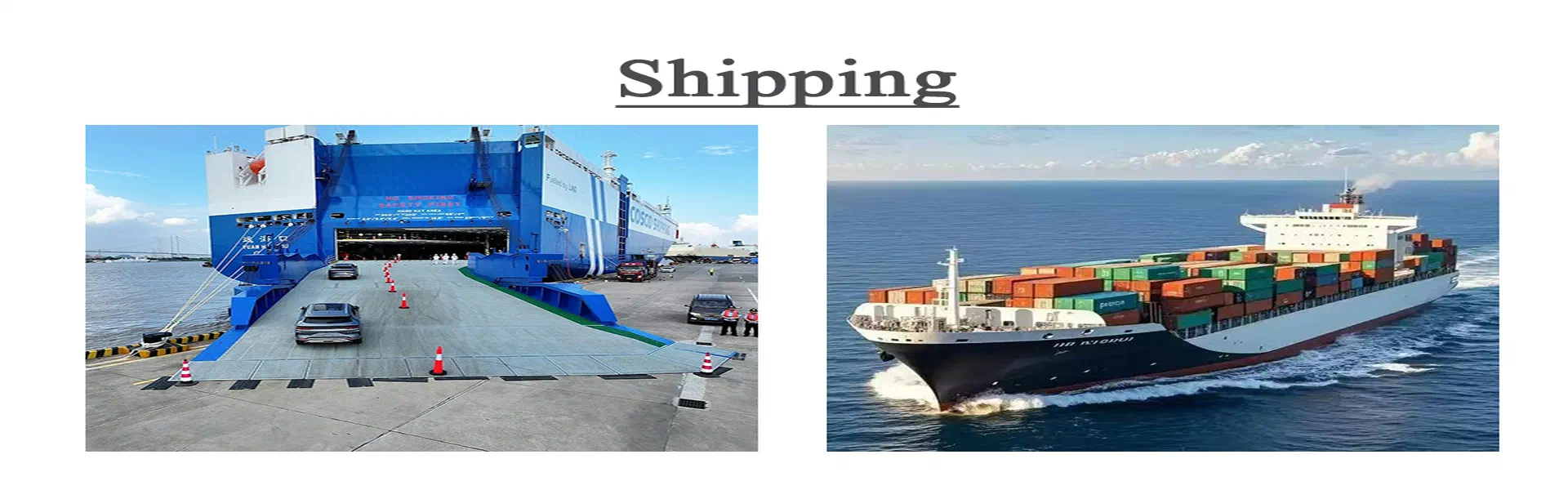
RoRo (roll-on/roll-off) shipping and container shipping are the main options for moving used SUVs from China to West Africa. RoRo vessels allow operable vehicles to be driven onto and off the ship. This often makes RoRo a more economical option for standard vehicles when suitable sailings are available. However, loading schedules, accepted vehicle dimensions and operating-condition requirements can restrict eligibility. Vehicles may also have less individual physical separation during vessel handling and storage. Container shipping provides greater control over how a vehicle is secured and can reduce exposure to handling-related contact, although it does not eliminate damage risk. Container loading also involves dimensional limits, securing procedures and additional handling costs. For a single SUV, the choice depends on the freight quotation, route availability and the buyer’s protection requirements. Multiple vehicles may make container arrangements more practical.
Freight costs depend on vehicle dimensions, shipping method, departure and destination ports, seasonal vessel capacity, fuel-related surcharges and port handling charges. Transit time is not simply the number of days at sea. Booking availability, export clearance, vessel schedules, transshipment and destination procedures all affect the total lead time. Buyers should request a written quotation showing which charges are included and which remain payable locally. Marine insurance should be discussed before shipment, with attention to insured value, exclusions, loading and unloading coverage, and the claims process. A bill of lading records the shipment and acts as a key transport document. The exporter should coordinate it with the commercial invoice, packing information where applicable, export declaration and other required customs paperwork. China’s used vehicle exports also require the appropriate export licensing, customs declaration and pre-shipment inspection.

At the destination port, the consignee or appointed clearing agent uses the shipping documents to complete customs procedures, settle applicable duties and taxes, and arrange release of the vehicle. Port storage and demurrage charges may arise if documentation, payment or collection is delayed. Before shipment, the buyer should establish who handles destination clearance, inland transport and any required local inspection. Photographs taken before loading, an agreed condition report and confirmation of insurance arrangements provide useful reference points if a dispute arises. Buyers asking whether are certified used cars worth it should assess the inspection evidence alongside the shipping terms, not treat certification as a substitute for proper import planning. The final decision should reflect the vehicle’s verified condition, drive configuration, local operating requirements and total landed cost.
FAQ
Q: Are certified used SUVs suitable for import into Ghana and Nigeria?
A: They can be suitable, particularly when the vehicle is LHD and meets current local registration, age and emissions requirements. Buyers should verify the inspection records and import eligibility before confirming an order.
Q: Is RoRo or container shipping better for used SUVs from China to West Africa?
A: RoRo is often more economical for eligible, operable vehicles, while containers offer more control over individual loading and securing. The best option depends on freight costs, vehicle dimensions, vessel availability and insurance coverage.