East African buyers sourcing used SUVs from China need to assess shipping arrangements alongside vehicle suitability. Left-hand-drive compatibility, destination import rules, road conditions and port handling all affect the final purchase decision. For buyers considering used auto cheap options, freight costs and import paperwork should be calculated before confirming a vehicle.
Vehicle suitability and export requirements
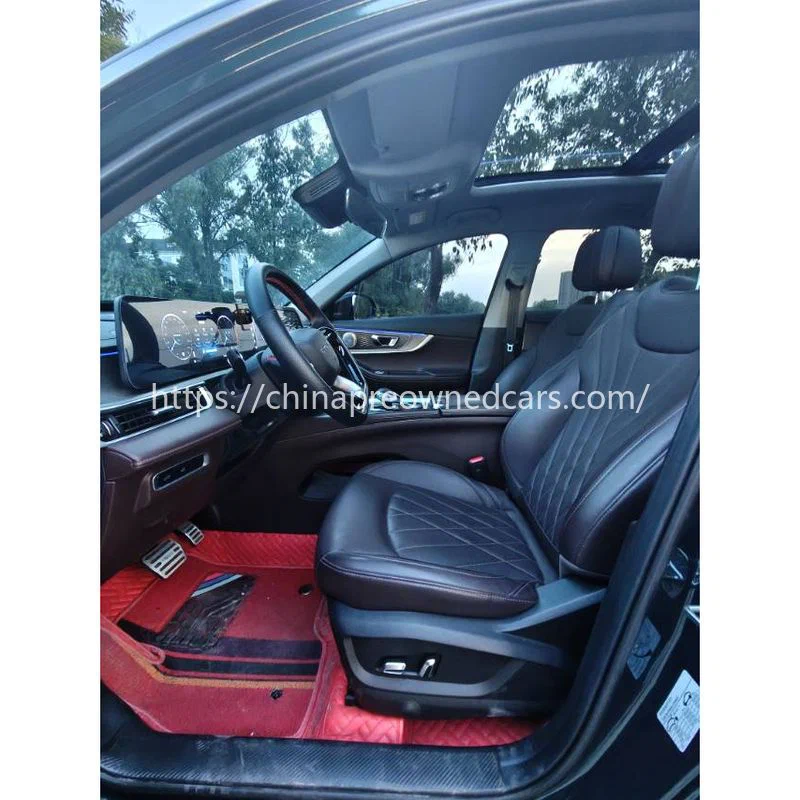
Ghana, Nigeria, Kenya, Uganda and Tanzania each have their own vehicle import regulations. Most vehicles in China’s domestic market are left-hand drive (LHD), which can limit their suitability in markets where right-hand-drive vehicles are required. Buyers should confirm the permitted steering configuration before selecting a model. Vehicle age restrictions, emission standards, roadworthiness requirements and import duties also vary. These rules can change, so the current requirements should be checked with the destination customs authority or a licensed clearing agent.
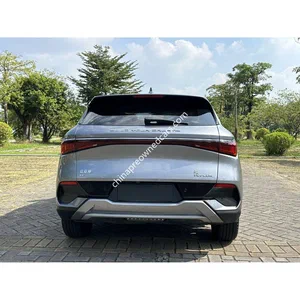
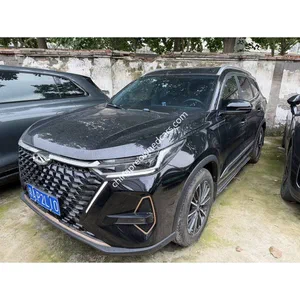
Road conditions matter as well. Rough surfaces, uneven roads and heavy rainfall place demands on suspension, ground clearance, tyres and underbody protection. The Haval H6 and Chery Tiggo 8 Pro offer SUV formats that buyers may consider for family and mixed-road use. The Geely Coolray is a smaller option, while the Chery Tiggo 7 Plus provides another mid-size choice. The BYD Atto 3 requires additional consideration because it is fully electric. Charging access, battery condition and access to compatible service facilities should be assessed before purchase. Buyers should also compare the availability and cost of replacement parts.
Shipping options to West African ports
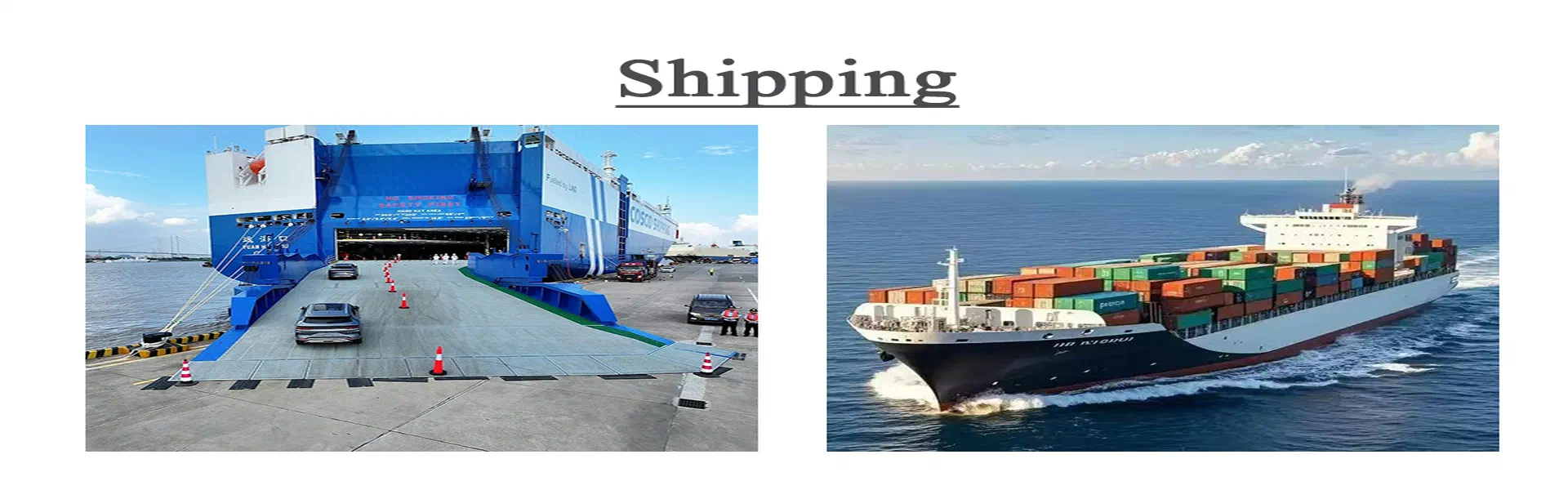
RoRo (roll-on/roll-off) shipping is commonly used for vehicles that can be driven onto and off a vessel. It generally involves fewer loading operations than container shipping and can be economical for standard, operational SUVs. However, vehicles travel in a shared cargo environment, and access to the vehicle is restricted during transit. Buyers should review carrier handling arrangements and marine insurance coverage.
Container shipping offers greater control over how a vehicle is secured and protects it from direct exposure to other cargo and some external handling risks. It can suit higher-value vehicles or shipments involving spare parts, subject to carrier approval. The trade-offs include container loading charges, securing materials and possible inspection or handling costs. Vehicle dimensions, loading equipment and battery transport requirements must be confirmed before booking. For electric vehicles, the carrier must also approve the applicable battery classification and shipping documentation.
Freight rates depend on the shipping route, vessel availability, vehicle dimensions, shipping method, port charges and seasonal demand. Transit time to West African ports varies with the departure port, vessel schedule, transshipment and congestion. A typical ocean transit may take several weeks, but this is not a guaranteed arrival window. Marine insurance should be arranged with clear coverage terms, exclusions and claims procedures.
Documentation and destination port handling

Before shipment, the exporter must arrange the required Chinese export licensing, customs declaration and pre-shipment inspection. Buyers should receive the vehicle identification number (VIN), inspection findings, commercial invoice, packing information where applicable and shipping details for review. The bill of lading is a key transport document and should be checked against the consignee details, vehicle description and destination port. Payment milestones and responsibility for freight, insurance and destination charges should be agreed in writing.
After arrival in Ghana or Nigeria, for example, the consignee or appointed clearing agent uses the shipping documents to arrange customs processing, pay applicable duties and taxes, and complete port release procedures. Storage and demurrage charges may arise if documents or payments are delayed. Kenya, Uganda and Tanzania buyers should similarly confirm their clearance arrangements, including any inland transport requirements after discharge. Before purchase, request the proposed shipping route, estimated transit window, insurance terms and a written breakdown of charges at both ends.
FAQ
Q: Is RoRo or container shipping better for used SUVs?
A: RoRo is often economical for standard running vehicles. Container shipping provides more controlled loading and separation from other cargo but usually involves additional handling costs.
Q: Can the BYD Atto 3 be shipped to Ghana or Nigeria?
A: It can be considered subject to carrier acceptance, battery transport documentation and destination import regulations. Buyers should also verify charging access and battery state of health.
Q: Which documents are needed to collect a vehicle at the destination port?
A: Common documents include the bill of lading, commercial invoice, vehicle identification details and applicable customs documentation. Additional requirements depend on the destination country’s current import procedures.