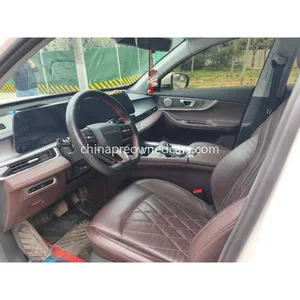
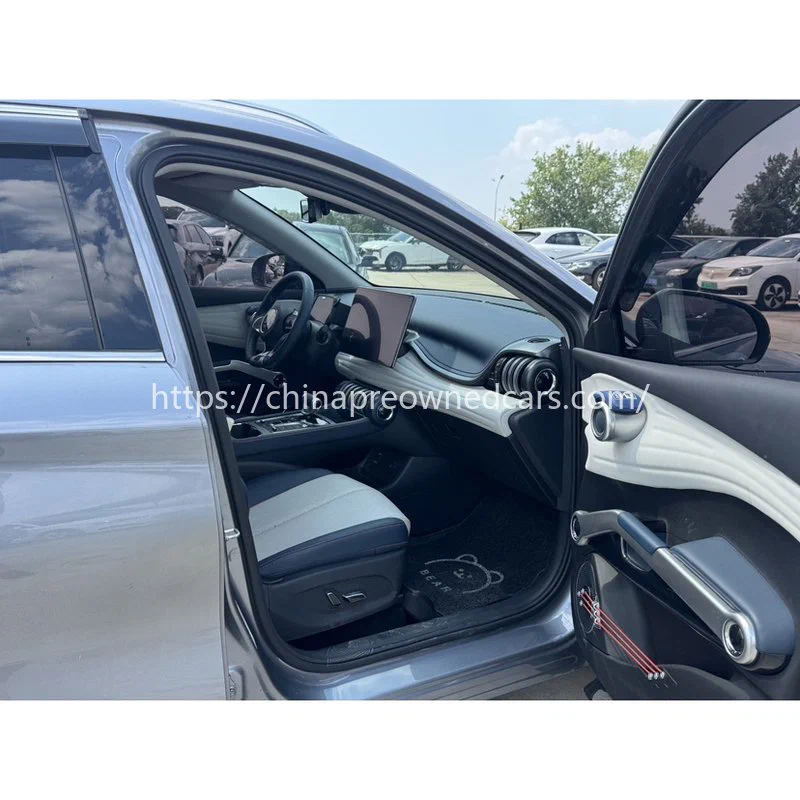
Used SUVs exported from China to West Africa must meet the practical demands of local roads, climate and import regulations. For buyers in Ghana and Nigeria, the purchase price is only one part of the calculation; freight, port charges, customs duties and vehicle suitability also affect the landed cost. Choosing the right model and shipping method starts with checking the destination requirements before payment.
Road conditions vary across Ghana and Nigeria, from paved urban routes to uneven rural roads and damaged surfaces. Ground clearance, tyre condition, suspension wear and cooling performance deserve close attention, especially where high temperatures and long journeys are common. The Chery Tiggo 7 Plus, Chery Tiggo 8 Pro, Geely Coolray and Haval H6 offer SUV body styles for different passenger and cargo needs. The BYD Atto 3 is an electric option, but its suitability depends on access to compatible charging and local repair support. Most vehicles sourced from China’s domestic market are left-hand drive (LHD), so buyers should confirm whether that configuration is permitted in the destination country. Age restrictions, emissions rules and roadworthiness requirements can also affect eligibility. The cheapest good used cars are not necessarily the least expensive to purchase; maintenance needs and import costs can change the overall calculation.
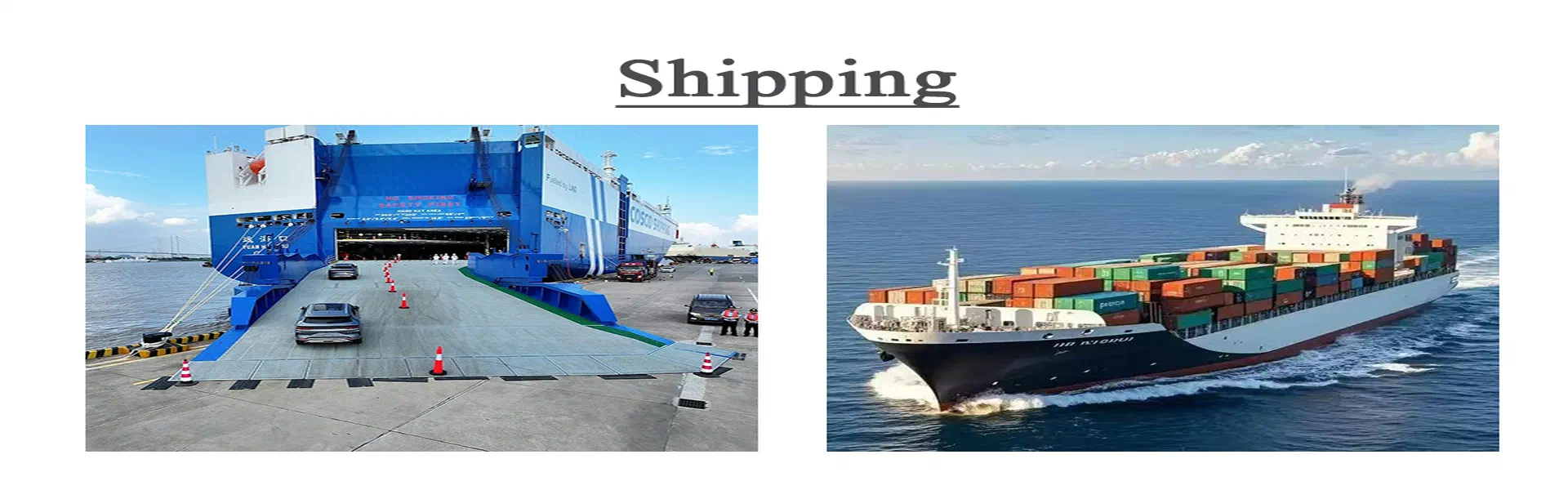
Shipping to West African ports generally involves roll-on/roll-off (RoRo) or container transport. RoRo vessels carry eligible, operable vehicles driven onto and off the ship. This can reduce handling and freight costs, although availability depends on the route, vessel schedule and carrier rules. Vehicles remain exposed to the port and vessel environment, and personal goods or loose parts are generally restricted. Container shipping places the vehicle inside a secured freight container and may offer additional protection from weather and external handling. It can suit higher-value vehicles or shipments with approved loading arrangements, but loading, securing, container handling and unloading add cost. Vehicle dimensions, ground clearance, operability, port services and the number of vehicles shipped all influence the choice. Freight quotations also depend on the departure port in China, destination port, seasonal vessel capacity, fuel-related surcharges and the services included. Transit time varies by sailing schedule, transshipment and congestion, so buyers should request a current estimate rather than rely on a fixed delivery promise.


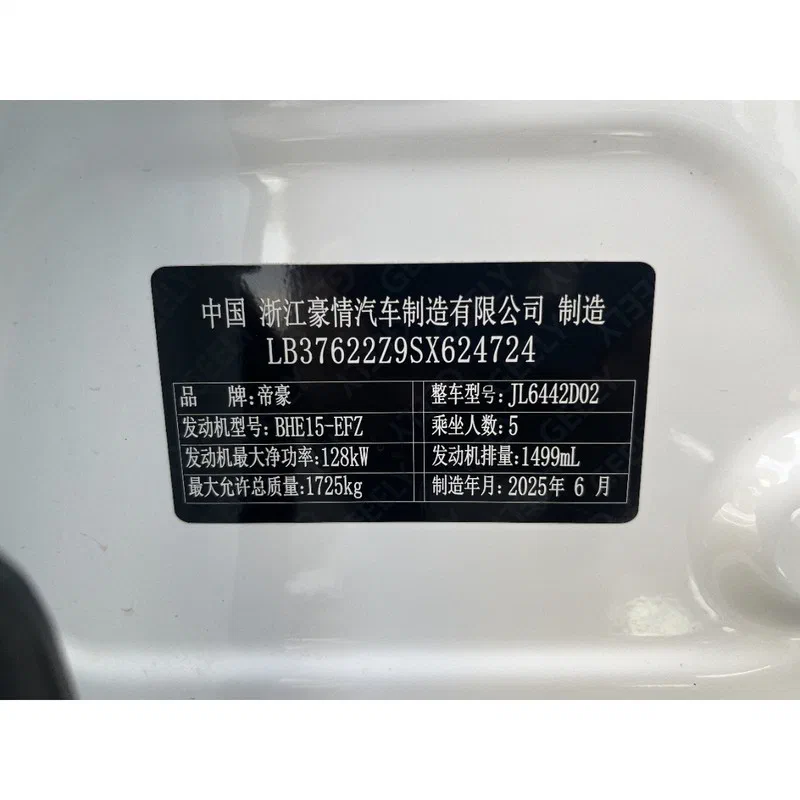
Export preparation begins with checking the vehicle identification number (VIN), registration and ownership documents, service records where available, odometer consistency and signs of accident or flood damage. A pre-shipment inspection should document the vehicle’s visible condition and identify issues that require attention; it does not guarantee future performance. For the BYD Atto 3, request a battery state-of-health assessment, charging-system checks and confirmation of transport requirements for the high-voltage battery. Before shipment, the exporter must arrange the applicable export licensing, customs declaration, inspection and shipping documents. The buyer should confirm the commercial invoice, packing list where applicable, export documentation and bill of lading details. Marine insurance should be reviewed separately: check insured value, covered risks, exclusions and the claims procedure instead of assuming the freight booking provides full protection.
At destination, the consignee or appointed clearing agent uses the shipping documents to process customs entry, pay applicable duties and taxes, and arrange port release. Ghanaian and Nigerian requirements can change, so importers should verify current vehicle-age rules, emissions requirements, drive-side restrictions, valuation methods and required permits with the relevant authorities before committing funds. Port storage, demurrage, inspection fees and inland transport can increase the final cost if documents are incomplete or collection is delayed. Compare written quotations on the same basis, including freight, insurance, origin charges and destination responsibilities. Payment terms should specify the deposit, balance-payment trigger, inspection evidence and what happens if the vehicle differs materially from the agreed description. A clear process for sharing inspection photos, documents and shipment updates helps buyers plan customs clearance and onward delivery.
FAQ
Q: Is RoRo or container shipping better for a used SUV going to Ghana or Nigeria?
A: RoRo is often economical for eligible, operable vehicles, while container shipping offers enclosed transport and may suit higher-value units. Compare current freight quotations, handling charges, insurance and sailing schedules before deciding.
Q: Which documents are needed to clear an imported used SUV?
A: Common documents include the commercial invoice, bill of lading, vehicle registration or ownership records, and applicable export and import declarations. The exact requirements depend on the destination and should be confirmed with the local customs authority or clearing agent.

Q: What should buyers check before shipping a used electric SUV?
A: Request a battery state-of-health report, charging-system assessment, service history where available and confirmation of compatible charging facilities at the destination. Also verify battery transport requirements, import eligibility and access to suitable maintenance support.