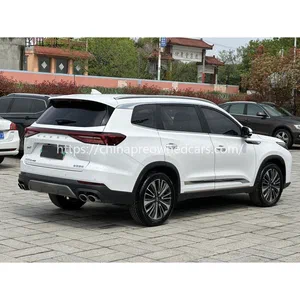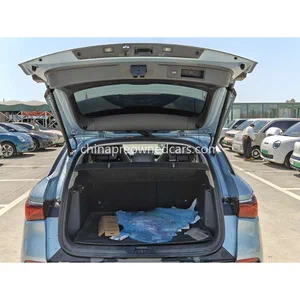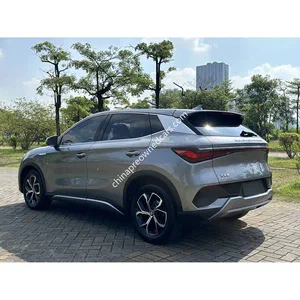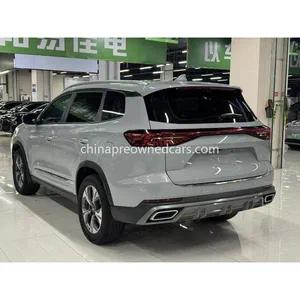
Nigeria’s market for used electric SUVs requires buyers to assess more than the vehicle’s purchase cost. Drive-side compatibility, battery condition, charging access and import procedures all affect whether an electric SUV is practical after arrival. Shipping from China also requires careful coordination between export documentation, ocean freight and customs clearance at the Nigerian port.
Choosing an Electric SUV for Nigeria’s Import Market
Nigeria operates a right-hand traffic system, so left-hand-drive (LHD) vehicles are generally compatible with its road layout. Most Chinese domestic-market vehicles are manufactured with LHD configurations, which makes sourcing from China a practical option. However, buyers should confirm the steering configuration on the specific vehicle before paying a deposit. A model name alone does not establish its drive-side specification.
The BYD Atto 3 is the fully electric SUV in the current export range. Its suitability depends heavily on the buyer’s access to charging and the vehicle’s remaining battery capacity. For buyers considering a used electric car under 15k, the purchase budget should include freight, insurance, import charges and port-related expenses rather than focusing only on the vehicle quotation. A lower initial price can become less attractive if battery degradation or charging limitations create additional costs.
Other listed models serve different requirements. The Chery Tiggo 7 Plus, Chery Tiggo 8 Pro, Geely Coolray and Haval H6 provide petrol-powered or hybrid configurations depending on the particular version sourced. These vehicles may suit buyers who regularly travel beyond areas with dependable charging facilities. Their fuel requirements and mechanical servicing needs differ from those of a battery-electric SUV. Buyers should verify the exact powertrain, model year and factory specification rather than assume every version carries the same equipment.
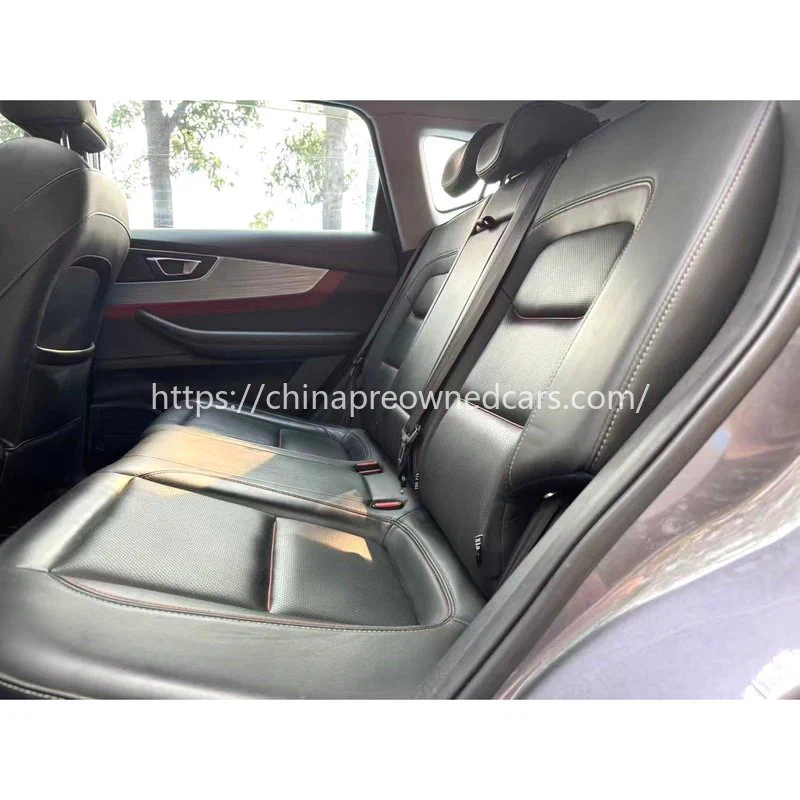
Nigeria’s climate and road conditions also influence vehicle selection. High temperatures can affect battery thermal management, while uneven surfaces and potholes place additional demands on suspension components, tyres and underbody protection. Before shipment, buyers should request photographs and inspection records covering the battery enclosure, suspension, tyres, brakes, cooling system and body panels. For the BYD Atto 3, battery state of health (SOH), charging performance and diagnostic fault records deserve particular attention.
Shipping from China to Nigerian Ports
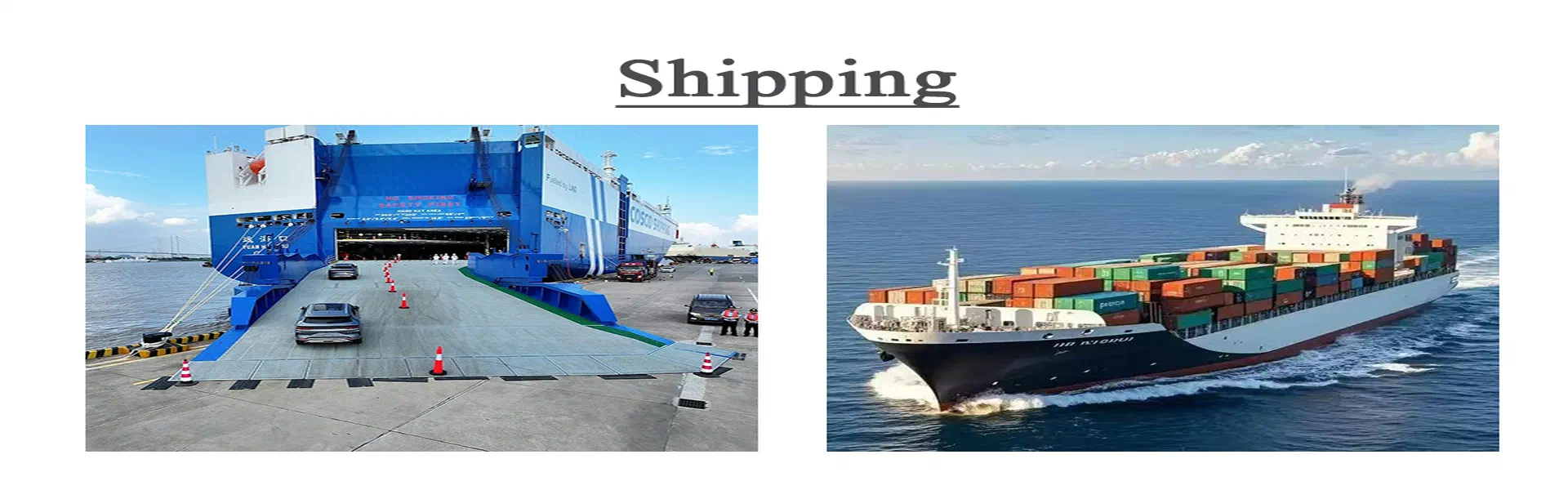
RoRo and container shipping are the two main options for moving used vehicles from China to Nigeria. Each has different cost and handling considerations. RoRo, short for roll-on/roll-off, involves driving vehicles onto a specialised vessel and securing them in designated vehicle decks. It is often economical for standard, operational vehicles that can be driven onto and off the ship. The process generally involves fewer loading operations than container transport, although the vehicle remains exposed to the normal handling environment of a vehicle carrier.
Container shipping places the vehicle inside a freight container, usually with securing equipment to prevent movement during transit. This option can provide additional protection against weather exposure and some external handling risks. It also allows more controlled loading arrangements. However, container transport involves loading and unloading costs, securing requirements and restrictions related to vehicle dimensions. Battery-electric vehicles may require additional carrier approval and dangerous-goods documentation, depending on the battery condition and applicable transport rules. A damaged or defective high-voltage battery can face stricter transport restrictions.
The freight quotation depends on several variables. Vehicle dimensions, shipping method, departure port, destination terminal, seasonal vessel capacity and carrier surcharges all influence the final amount. Container rates also depend on container availability and whether the vehicle can be shipped individually or as part of a consolidated arrangement. RoRo quotations may vary according to vehicle classification and sailing schedules.
Transit time should be treated as a planning estimate, not a guaranteed arrival date. Vessel availability, transshipment arrangements, port congestion and weather can extend the journey. Shipping from China to West African ports may involve direct or connecting services, with the selected route affecting the schedule. Buyers should request an estimated departure window, expected transit period and confirmation of whether the quoted time includes transshipment. The shipment schedule should also leave room for export processing and destination clearance.
Documentation, Insurance and Nigerian Port Clearance
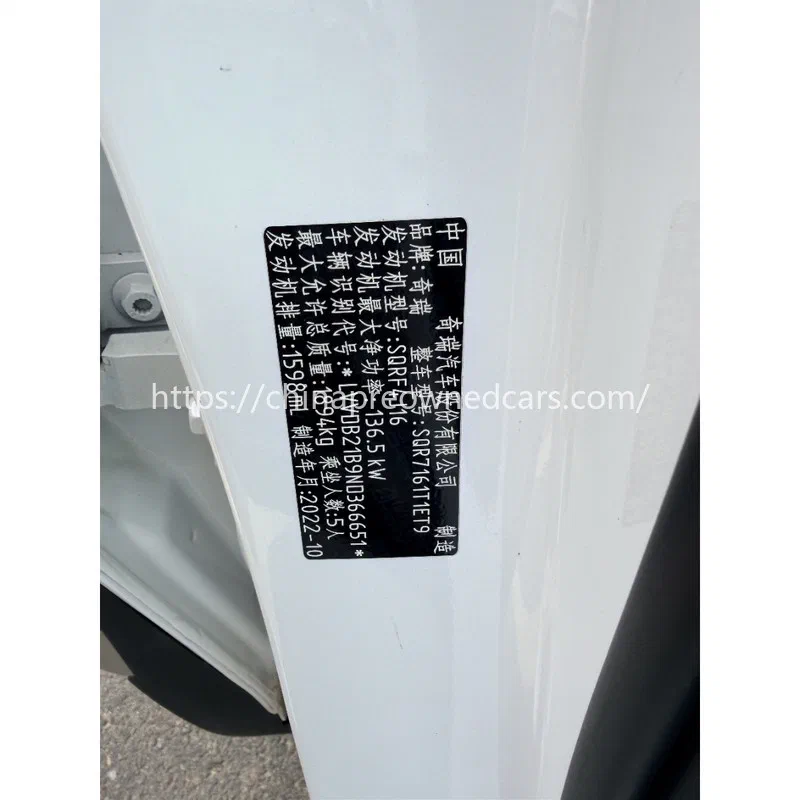
Export preparation begins before the vehicle reaches the vessel. China requires the relevant export licensing, customs declaration and pre-shipment inspection procedures to be completed. The exporter must coordinate the vehicle’s identification details with the export documents. Buyers should check the VIN against the vehicle, purchase documents and shipping paperwork. Any discrepancy should be resolved before loading.
The main shipping documents normally include the commercial invoice, packing list where applicable, export documentation and bill of lading. The bill of lading records the shipment and serves as an important transport document for releasing the vehicle at destination. Its consignee and notify-party details should be checked carefully. Buyers should also retain the inspection report, payment records and any certificates or supporting documents requested by Nigerian authorities.

Marine insurance deserves separate attention. A carrier’s liability is not necessarily equivalent to comprehensive cargo insurance. Buyers should review the insured value, covered risks, exclusions, deductible and claims procedure before shipment. For container shipments, loading photographs and securing records can help establish the vehicle’s condition before departure. For RoRo shipments, a dated inspection record is equally useful. Existing scratches, dents or mechanical faults should be documented rather than treated as transport damage later.
At the Nigerian destination port, the consignee or appointed clearing agent handles the import clearance process. Customs documentation, applicable duties, taxes, port charges and any required regulatory approvals must be addressed before release. The applicable import rules can change, including restrictions involving vehicle age, emissions, vehicle condition and documentation. Buyers should confirm the current requirements with Nigerian Customs and the relevant authorities before arranging shipment. They should also obtain a written estimate of destination charges, including terminal handling, storage and clearing-agent fees.
Buyer Priorities Before Shipment
The most useful pre-purchase checks depend on the powertrain. For a BYD Atto 3, buyers should request a battery health assessment, diagnostic scan, charging test and available battery service history. A displayed driving range is not a substitute for a battery report because temperature, driving conditions and battery degradation affect the result. The report should identify the inspection date and testing method.
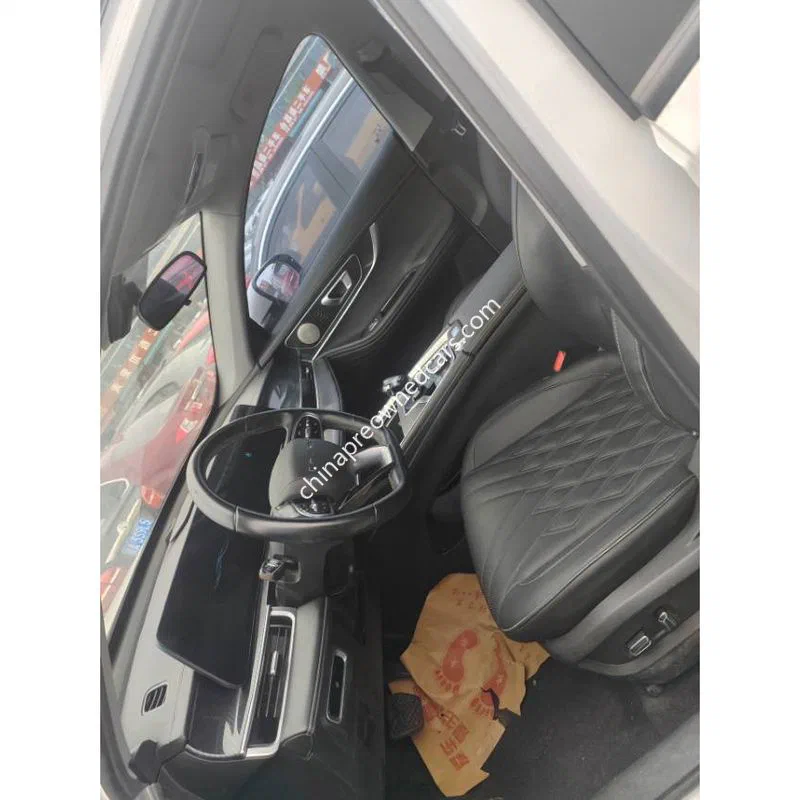
For petrol and hybrid SUVs, the inspection should cover engine operation, transmission behaviour, cooling performance, suspension, braking components and electronic systems. Hybrid buyers should also request information about the traction battery and its diagnostic condition. Across all models, mileage should be checked against available service records and electronic readings. No used vehicle should be purchased on the assumption that its condition or history is guaranteed.
Payment arrangements should connect clearly to documented milestones. Buyers can request a pro forma invoice identifying the vehicle, VIN, agreed specification, inspection scope, shipping method and payment schedule. The final balance arrangement should be established before funds are transferred. Any changes to the vehicle or shipping method should be recorded in writing. An exporter that coordinates sourcing, inspection, export licensing, customs declaration and ocean freight can reduce the number of separate parties involved, but the buyer should still verify each document and cost component.
FAQ
Q: Is RoRo or container shipping better for a used electric SUV going to Nigeria?
A: RoRo can be more economical for operational vehicles accepted by the carrier, while container shipping offers more controlled loading and additional protection from exposure. Battery condition, carrier requirements, vehicle dimensions and the total freight quotation should determine the choice.
Q: What documents are needed to clear a used SUV at a Nigerian port?
A: Buyers generally need the commercial invoice, bill of lading and relevant export and customs documents, alongside any supporting approvals required by Nigerian authorities. The current import requirements and applicable charges should be confirmed with Nigerian Customs or a licensed clearing agent before shipment.