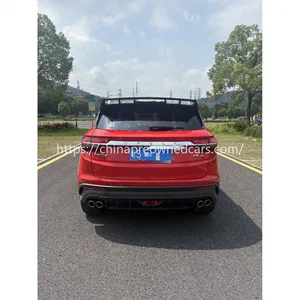
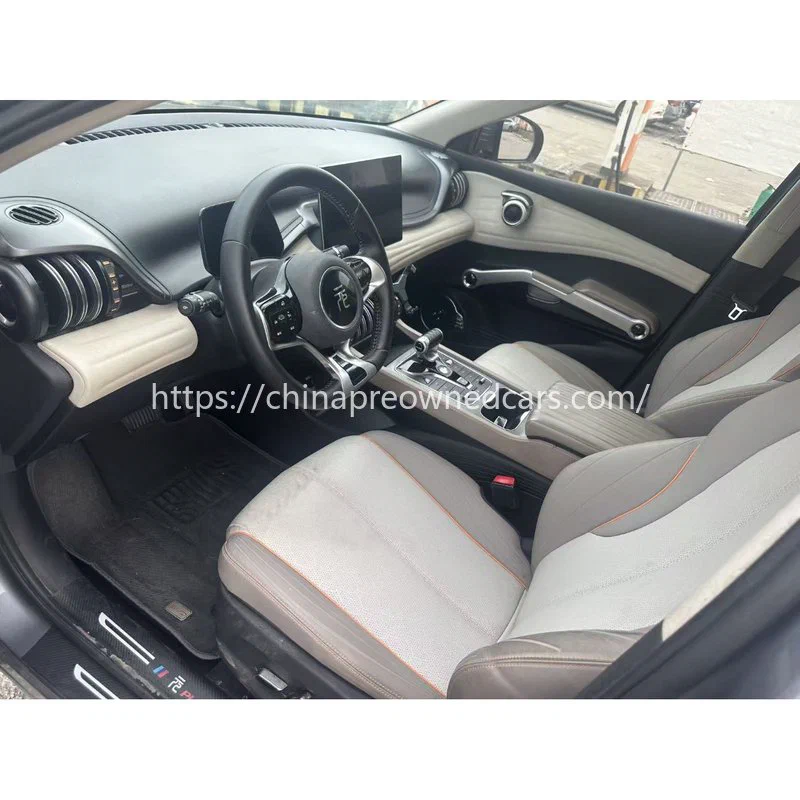
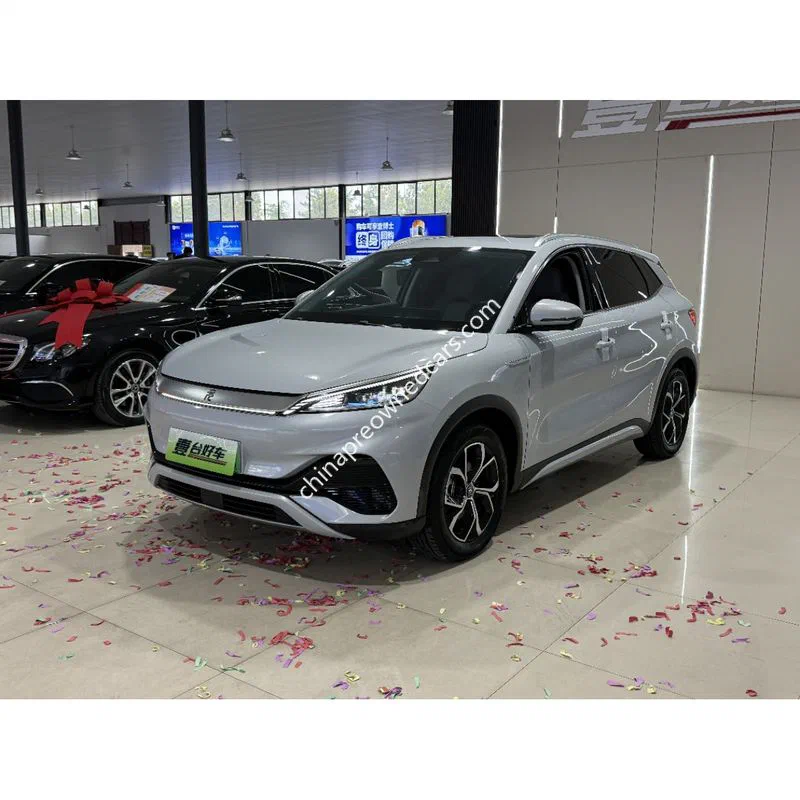
The Geely Coolray is a compact SUV worth evaluating for importers serving urban drivers in Ghana, Nigeria, Kenya, Uganda and Tanzania. Its appeal depends on the specific powertrain, equipment level, condition and local service support available for each used unit. Buyers should assess these factors alongside export documentation, shipping arrangements and destination-country import rules before committing to a purchase.
Powertrain, Fuel Economy and Everyday Use
The Geely Coolray is generally positioned as a compact petrol SUV, with turbocharged three-cylinder engines and automatic transmissions offered across various model years and markets. Exact engine capacity, output, gearbox specification and emissions classification depend on the production year and version. Importers should request the vehicle identification number (VIN), manufacturer specifications and supporting documents rather than assume every Coolray has identical equipment.
For urban fleets, fuel economy matters more than headline acceleration. Actual consumption depends on traffic congestion, air-conditioning use, road gradients, maintenance history and driving style. A turbocharged petrol engine can provide useful response in city traffic, but its performance and efficiency depend on the condition of the turbocharger, cooling system and transmission. Buyers should request documented service records and arrange a cold-start assessment, diagnostic scan and road test where possible. Published fuel-consumption figures are useful for comparison, not a guarantee of operating costs after import.
The Coolray’s compact footprint can make parking and manoeuvring easier than in larger SUVs such as the Chery Tiggo 8 Pro or Haval H6. Cabin space, luggage capacity, ground clearance and suspension condition still need assessment against the intended use. Urban commuters may prioritise manoeuvrability and automatic transmission, while commercial operators should consider passenger loads, uneven road surfaces and the availability of replacement tyres and suspension components. Cheap used cars can become expensive purchases if model-specific parts take weeks to source or require costly international shipping.
Condition Assessment and Export Suitability
Used Coolray units should be graded according to documented condition rather than appearance alone. A practical assessment separates cosmetic wear from mechanical faults and structural damage. Exterior inspection should cover panel alignment, paint differences, corrosion, glass, lighting and signs of previous repairs. Inside, check seat wear, dashboard warnings, infotainment functions, air-conditioning and electronic driver-assistance features where fitted. A clean cabin does not establish that a vehicle has been accident-free.
Mechanical checks should include engine leaks, cooling performance, transmission behaviour, braking, steering, suspension and tyre condition. An independent pre-shipment inspection can record visible defects, odometer readings, diagnostic fault codes and equipment operation at the time of examination. Mileage and service history should be cross-checked against available records, but neither should be treated as conclusive proof of a vehicle’s full history. The inspection report should identify limitations, including components that could not be tested.
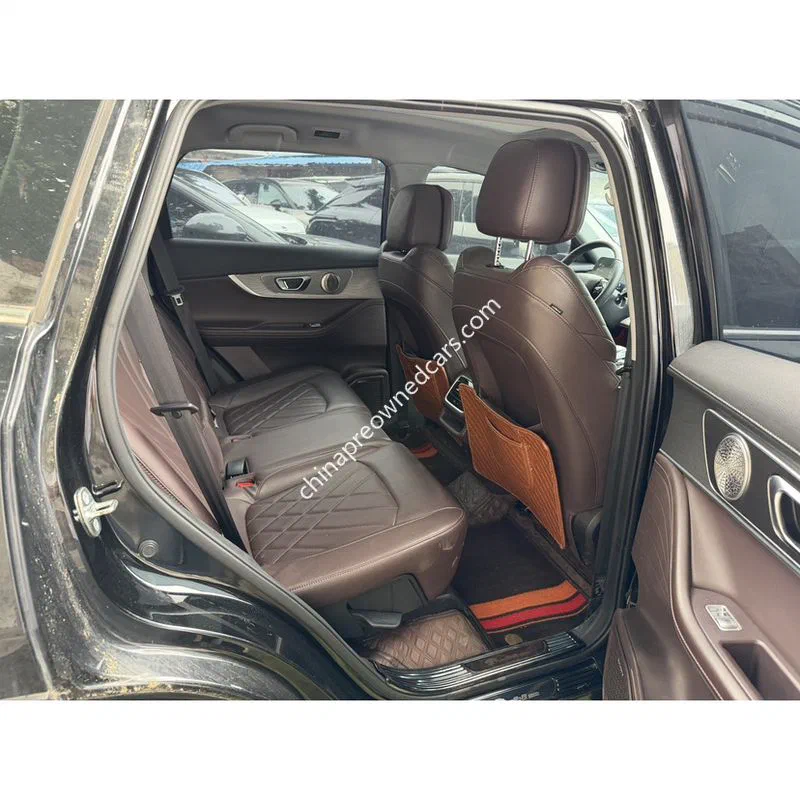
For buyers in Ghana, Nigeria, Kenya, Uganda and Tanzania, left-hand drive configuration is a major consideration. Most vehicles in China’s domestic market are left-hand drive, while these destination markets generally use right-hand-drive vehicles for normal road operation. Importers must therefore verify whether the specific vehicle configuration is legally eligible for registration and use before purchase. A low acquisition cost does not resolve a drive-side restriction. Current import eligibility should be confirmed with the relevant national authorities or a qualified customs agent.
Parts, Road Conditions and Import Planning
Serviceability deserves as much attention as the initial vehicle specification. Before ordering a Coolray, importers should ask local workshops and parts suppliers whether they can obtain compatible filters, brake components, suspension parts, sensors and diagnostic equipment. Parts compatibility should be checked by VIN because components can vary between model years and trim levels. Availability for other Geely vehicles does not automatically establish compatibility with the Coolray.
Road conditions also influence the purchase decision. Buyers serving congested cities may value compact dimensions and automatic driving, while operators travelling on rough roads should inspect underbody components, suspension joints, tyres and ground clearance. The Coolray is not a substitute for a dedicated off-road vehicle. If routes include frequent deep ruts, severe potholes or heavy loads, a larger SUV such as the Haval H6 may warrant comparison, although its own condition and specification require the same checks.
Chinese used vehicle exports require the appropriate export licensing, customs declaration, documentation and pre-shipment inspection. The export file should match the vehicle’s VIN and identifying details across the sales invoice, ownership records and shipping paperwork. Importers should agree in writing on the vehicle specification, inspection scope, payment milestones, responsibility for export charges and the documents supplied before dispatch. Customs clearance at destination remains subject to local procedures and the importer’s obligations.
Shipping is commonly arranged by roll-on/roll-off (RoRo) service or container. RoRo can suit vehicles accepted by the carrier for direct vehicle transport, while container shipping may offer different handling and consolidation options. The choice depends on carrier availability, port arrangements, cargo requirements and the total landed cost. Transit estimates should be confirmed for the actual route and sailing rather than treated as fixed delivery dates. Before shipment, buyers should also verify current rules on vehicle age, emissions, roadworthiness and import eligibility in the destination country.

FAQ
Q: Is the Geely Coolray suitable for import into Ghana, Nigeria, Kenya, Uganda and Tanzania?
A: Suitability depends on the vehicle’s drive side, model year, emissions classification and the destination’s current import and registration rules. Confirm eligibility with local authorities or a qualified customs agent before payment.
Q: What should an importer check before buying a used Geely Coolray from China?
A: Verify the VIN, model year, engine and transmission specification, service records, mileage evidence, diagnostic results and independent inspection report. Confirm parts support, export documentation, shipping terms and the expected landed cost before authorising dispatch.