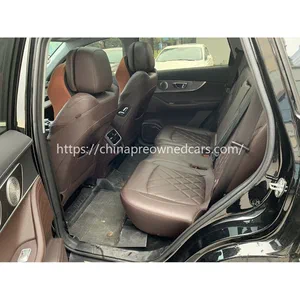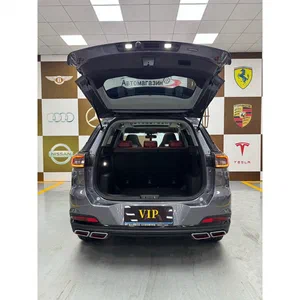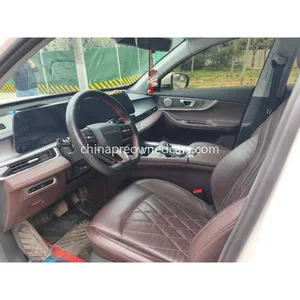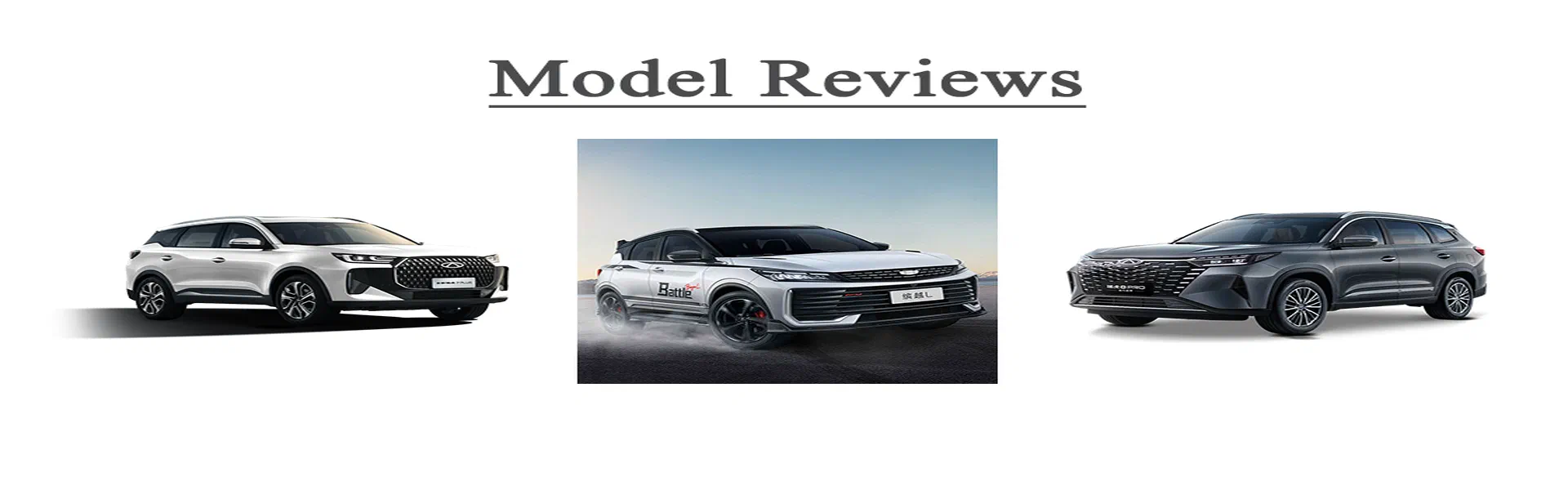
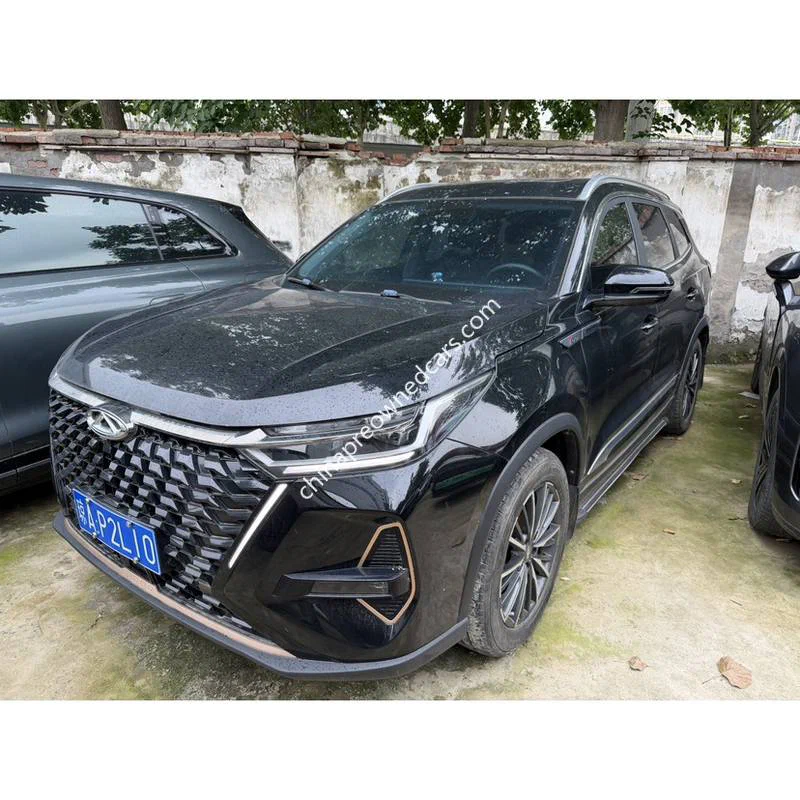
The BYD Atto 3 is a compact electric SUV designed primarily for urban and suburban driving, where smooth acceleration, predictable running costs and manageable dimensions matter. For buyers importing used vehicles from China to Ghana, Nigeria, Kenya, Uganda or Tanzania, the main considerations are battery condition, charging access, ground clearance and local service support.
Powertrain, range and suitability for African roads
The BYD Atto 3 is a battery-electric, front-wheel-drive SUV with no petrol engine or tailpipe emissions. Depending on model year and specification, it uses BYD’s Blade Battery technology and offers different battery capacities and rated driving ranges. Export buyers should confirm the exact version, battery size and original market specification rather than relying on a model name alone. Advertised range is not the same as daily usable range: high temperatures, air-conditioning demand, driving speed, passenger load and battery ageing all affect consumption.
Front-wheel drive suits paved urban roads and ordinary suburban travel, but the Atto 3 is not a dedicated off-road vehicle. Ground clearance is approximately 175 mm on commonly specified versions, so deep potholes, broken shoulders and heavily rutted tracks require care. Buyers serving customers who regularly travel on rough rural roads should compare the vehicle’s underbody condition, tyre sidewalls and suspension components with the intended route. The Haval H6 and Chery Tiggo 8 Pro may warrant consideration where a larger SUV body and different powertrain options better fit the operating requirements.
Charging access is central to the Atto 3’s suitability. Home or depot charging can make daily urban use practical, particularly for fleets with predictable routes and overnight parking. Public charging availability varies significantly between cities and regions in Africa. Before importing, confirm the vehicle’s charging connector, AC charging capability, DC fast-charging compatibility and the local electricity supply arrangements. A buyer should also check whether the available charging equipment supports the vehicle’s specific version.
Used condition, battery health and equipment checks
A used Atto 3 should be assessed on evidence, not appearance alone. A clean cabin and intact bodywork do not establish battery health or prove that the vehicle has been maintained correctly. A pre-shipment inspection should record the odometer reading, visible damage, tyre wear, warning messages, diagnostic fault codes and the operation of essential electrical systems. Where possible, obtain service records and review available vehicle history against the VIN.
Battery state of health deserves particular attention because it influences usable range and future operating costs. Request a battery diagnostic report showing the available health indicators, reported capacity and any recorded battery-related faults. Check for signs of underbody impact, damaged battery casing, corrosion or evidence of previous repairs. A short test drive cannot establish long-term battery performance. If the diagnostic information is incomplete, arrange an independent assessment before agreeing on the final purchase.

Condition grading should distinguish cosmetic wear from mechanical or electrical concerns. Minor paint marks and cabin wear may be acceptable for a used urban vehicle, while persistent suspension noise, uneven tyre wear, damaged cooling components or repeated charging faults require further investigation. Test the air-conditioning system under sustained operation, inspect the infotainment and instrument displays, and verify the operation of cameras, parking sensors, windows and driver-assistance features where fitted. In hot climates, effective cabin cooling matters, but its operation should be tested rather than assumed.
Import planning, servicing and total operating cost
The Atto 3 has fewer routine powertrain service items than a comparable petrol SUV because it does not require engine oil changes, spark plugs or exhaust-system maintenance. It still needs attention to tyres, brakes, suspension, cabin filtration, coolant systems and high-voltage components. Regenerative braking can reduce friction-brake use, although brake condition and corrosion still need inspection. A used auto cheap enough to attract interest at purchase may prove less economical if battery repairs, specialist diagnostics or replacement parts are difficult to arrange locally.
Parts and service support should be confirmed in the destination market before the order is placed. Buyers in Ghana, Nigeria, Kenya, Uganda and Tanzania should establish whether qualified technicians can diagnose BYD high-voltage systems and whether routine parts, charging equipment and replacement components are available through reliable channels. Do not assume that support for other BYD models guarantees Atto 3 parts availability. Ask about diagnostic access, repair procedures and the expected sourcing process for components that are not held locally.
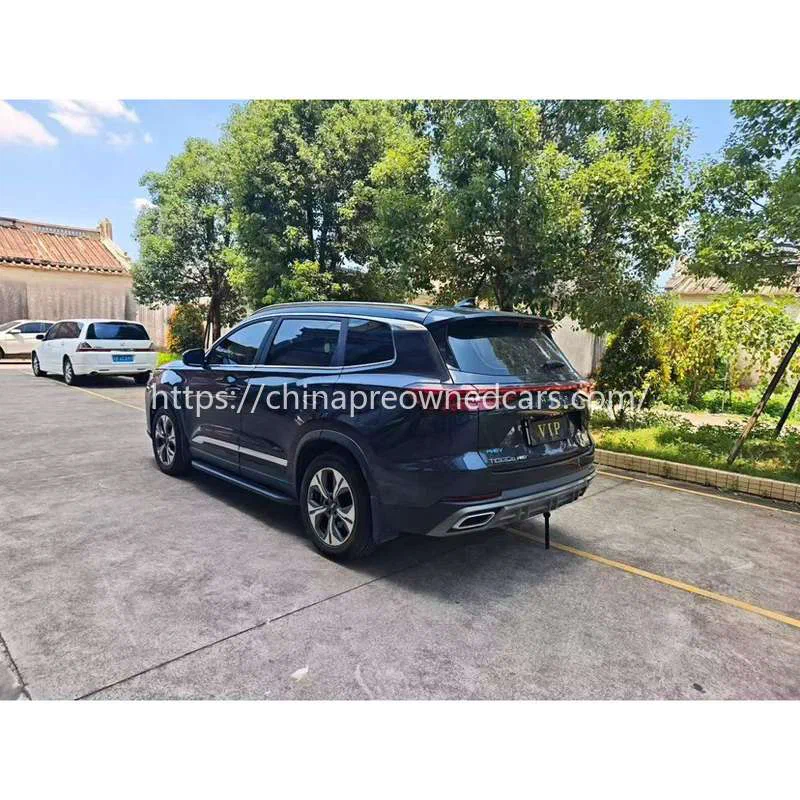
China-based export preparation typically involves confirming the vehicle’s identity and condition, arranging the required export licence, completing customs declaration and meeting applicable pre-shipment inspection requirements. The exporter should provide the relevant sale and export documents, vehicle details and shipping paperwork. Vehicles can travel by roll-on/roll-off (RoRo) vessel or in a container; the appropriate method depends on route availability, handling arrangements, cargo requirements and the shipment quotation. Before payment, confirm which inspection services are included, what the payment milestones are, and which charges remain payable at destination.
Import eligibility must be checked for the actual destination and vehicle specification. Ghana, Nigeria, Kenya, Uganda and Tanzania may apply different rules covering vehicle age, emissions where applicable, roadworthiness, duties, documentation and electric-vehicle treatment. These rules can change. Most Chinese domestic-market vehicles are left-hand drive, including many Atto 3 units, so the destination’s steering-position requirements must be confirmed before purchase. Buyers should also compare the quoted vehicle cost with shipping, insurance, port handling, customs charges and inland transport. A lower purchase price alone does not establish a lower landed cost.
FAQ
Q: What driving range can a used BYD Atto 3 deliver?
A: Range depends on battery version, battery health, climate, driving speed and air-conditioning use. Request the exact specification and a battery diagnostic report, then estimate range using realistic local driving conditions.
Q:: Is the BYD Atto 3 suitable for rough roads in Africa?
A: It is better suited to urban roads and reasonably maintained routes than severe off-road conditions. Ground clearance, underbody protection, tyre condition and the severity of the intended route should be assessed before purchase.
Q: What should an importer verify before shipping a used BYD Atto 3?
A: Verify the VIN, vehicle history, battery health, charging compatibility, inspection findings, export documentation and destination import rules. Confirm steering position, total landed cost and local repair support before authorising shipment.