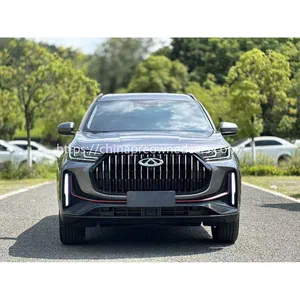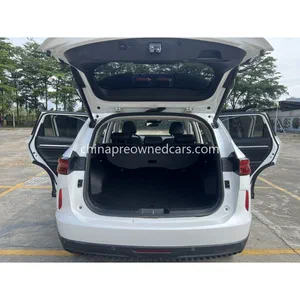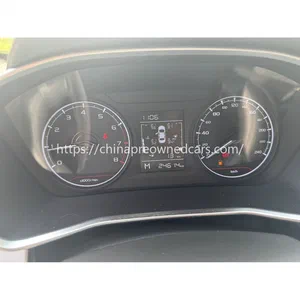
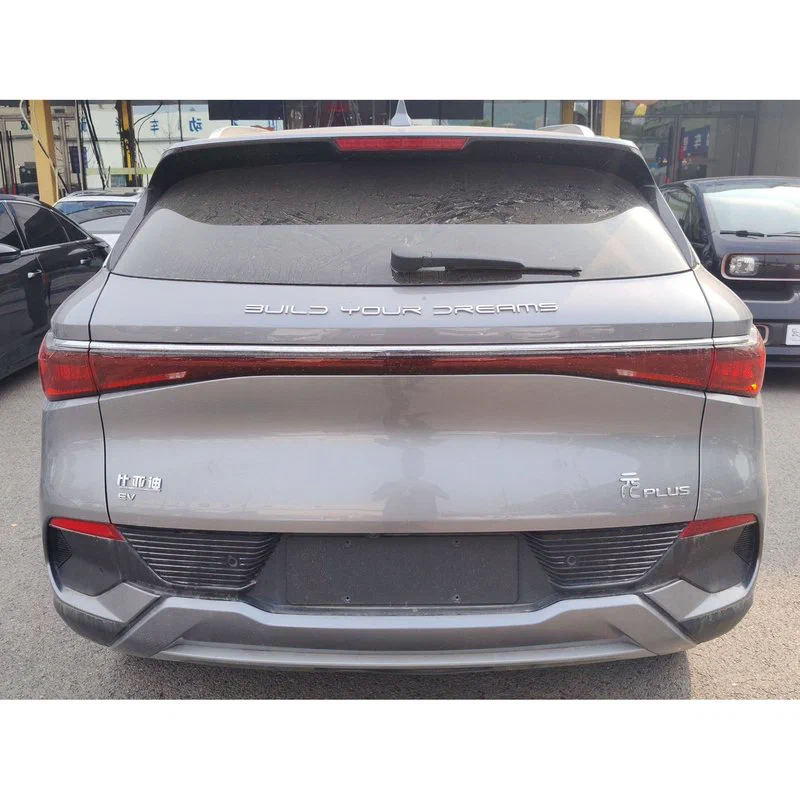
Sourcing a used SUV from China involves more than selecting a model and agreeing on a price. For buyers in Ghana, Nigeria, Kenya, Uganda and Tanzania, the process includes vehicle assessment, export documentation, customs procedures and shipping to the destination port. Model suitability also matters, particularly where rough roads, high temperatures and limited access to replacement parts affect running costs.
Choosing a Used Chinese SUV for African Roads
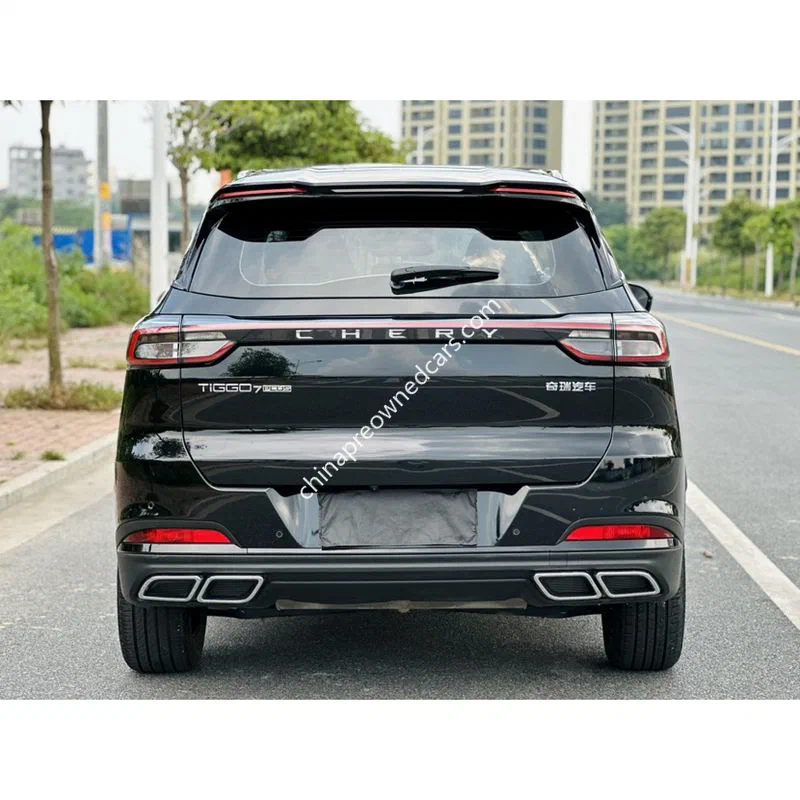
The BYD Atto 3, Chery Tiggo 7 Plus, Chery Tiggo 8 Pro, Geely Coolray and Haval H6 serve different buyer needs. The Atto 3 is a fully electric SUV, so battery condition and charging access require particular attention. The other models offer petrol-powered options, depending on the specific vehicle configuration. Buyers should confirm the powertrain, trim and specifications of each unit rather than relying on the model name alone.
Ground clearance is important on uneven roads, damaged surfaces and unpaved routes. Compare the actual clearance and tyre condition of the vehicle under consideration, and inspect the underbody for impact damage. Suspension joints, shock absorbers, steering components and wheel alignment deserve attention after use on rough surfaces. In hot climates, test the air conditioning at idle and during a road test. Check for warning lights, coolant leaks and signs of previous overheating.

A model’s reputation does not establish the condition of an individual vehicle. Request service records where available, verify the VIN against the vehicle documents, and inspect the transmission, braking system, electronics and body repairs. For the Atto 3, obtain a battery state-of-health assessment and check charging operation, battery warnings and available diagnostic records. Parts availability also needs local confirmation: buyers should identify suppliers for routine service items and model-specific components before placing an order.
From Vehicle Inspection to Export Clearance
Buyers researching where to buy cars second hand should compare the exporter’s inspection process and documentation arrangements, not just the quoted vehicle price. Once a vehicle is selected, the exporter arranges a pre-shipment inspection covering identification, exterior and interior condition, mechanical operation, tyres, lights, brakes and visible damage. Electric vehicles require additional battery and charging checks. A written report with dated photographs, recorded odometer readings and disclosed defects gives the buyer a basis for assessing the vehicle before shipment.
Inspection requirements depend on the destination and the transaction. There is no single certificate that automatically satisfies every importing country. The exporter must confirm applicable Chinese export licensing, customs declaration requirements and any required inspection or certification before dispatch. The documentation package commonly includes the commercial invoice, sales contract, vehicle registration or ownership documents, export declaration details, bill of lading and certificate of origin where applicable. Names, VIN, vehicle description and shipping details should match across relevant records. The buyer should also confirm which party handles destination clearance and which original documents are needed for release.
Shipping arrangements follow clearance and port acceptance. Roll-on/roll-off (RoRo) shipping suits eligible vehicles that can be driven or handled under the carrier’s procedures. It can reduce loading complexity, although exposure during port handling and vessel operations may be greater than with enclosed container transport. Container shipping offers more protection from weather and some external contact, but loading, securing, unloading and container charges add complexity. Compare the full freight quotation, insurance coverage, handling fees and destination charges before choosing either method.
After booking, the vehicle moves through export-port handling, vessel loading, ocean transit and arrival processing. The bill of lading records the shipment, while customs and origin documents support the relevant clearance steps. Lead time varies with vehicle preparation, inspection appointments, export processing, vessel schedules, transshipment and port congestion. Buyers should obtain an estimated schedule from the forwarder and allow extra time for delays rather than treating a quoted transit window as a guaranteed arrival date. Before payment, agree in writing on the vehicle specification, inspection evidence, payment milestones, shipping responsibility and procedure for reporting discrepancies.
FAQ
Q: Which used Chinese SUV is suitable for rough African roads?
A: The Chery Tiggo 7 Plus, Chery Tiggo 8 Pro, Geely Coolray and Haval H6 are worth comparing by actual ground clearance, suspension condition and intended use. The best choice depends on the specific vehicle and local parts support.
Q: What documents are needed to ship a used car from China?
A: Common documents include the commercial invoice, sales contract, export customs declaration, bill of lading and certificate of origin where applicable. Required inspections, certificates and destination clearance documents must be confirmed for the specific shipment and importing country.