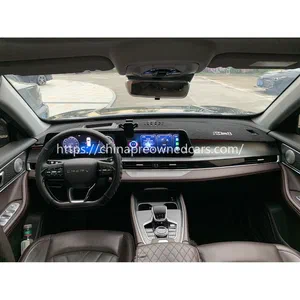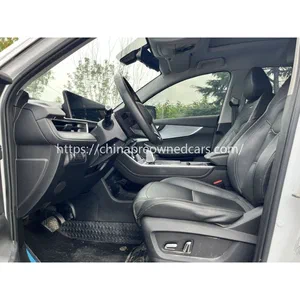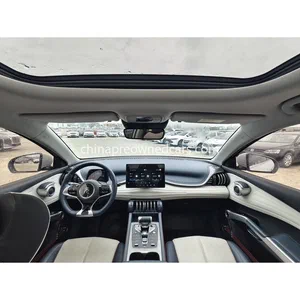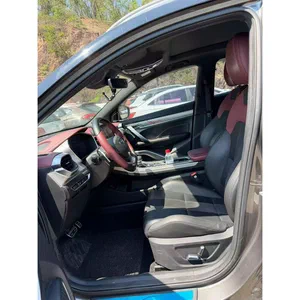
Buying pre-owned cars for export requires more than checking appearance and mileage. This guide covers the main inspection points for Chinese-brand SUVs, export paperwork, payment arrangements, and risks that overseas buyers should review before purchase. For buyers looking at pre used cars for sale from China, verification of vehicle history and exporter capability is the foundation of a reliable transaction.
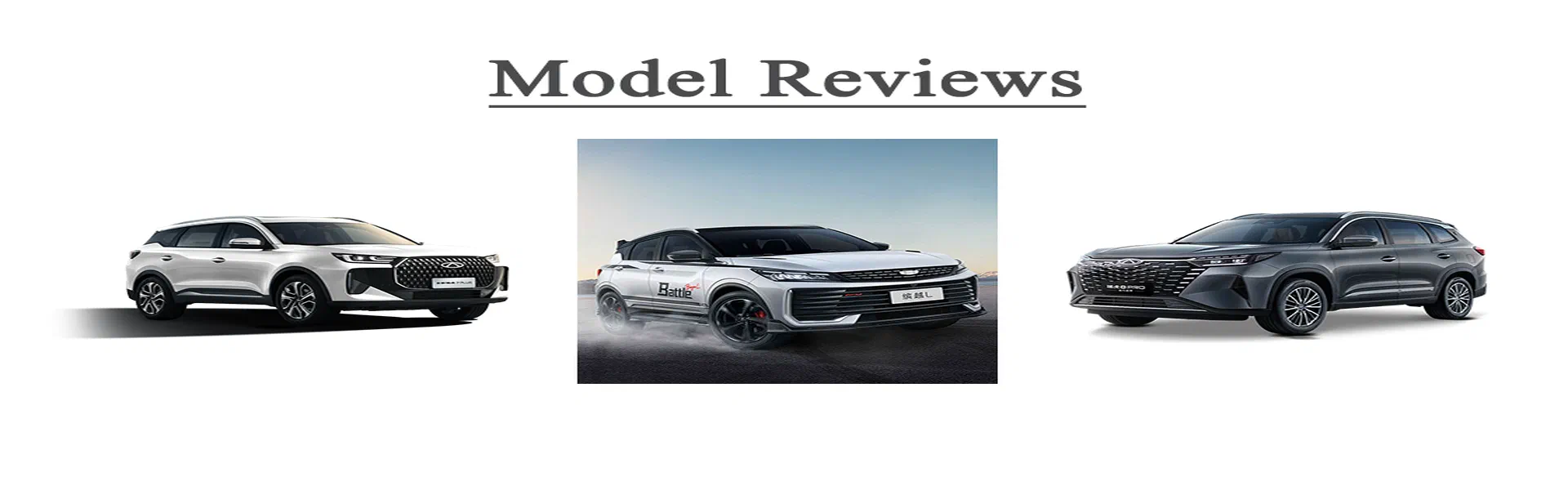
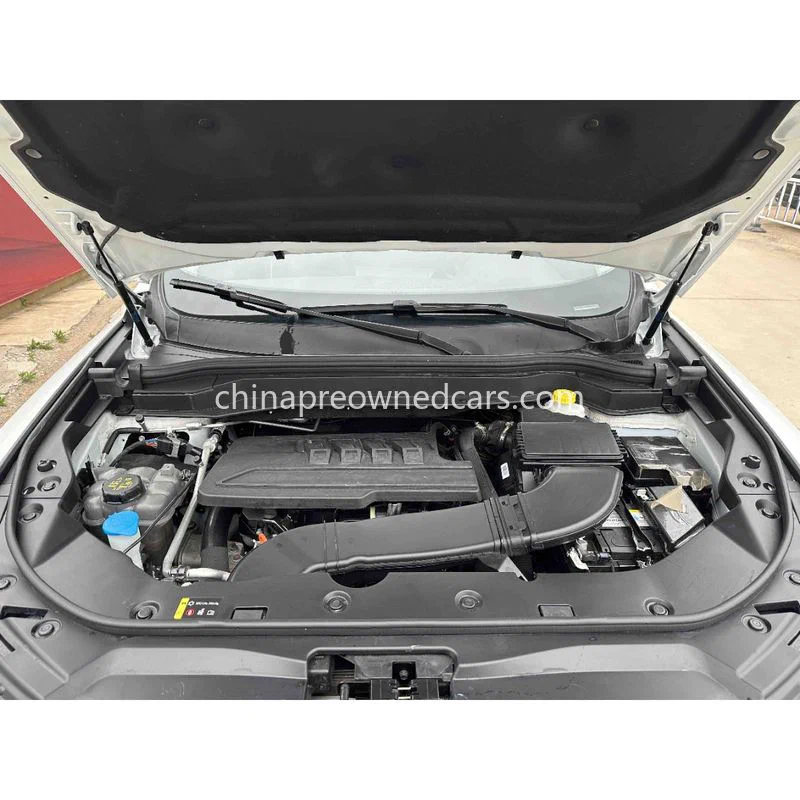
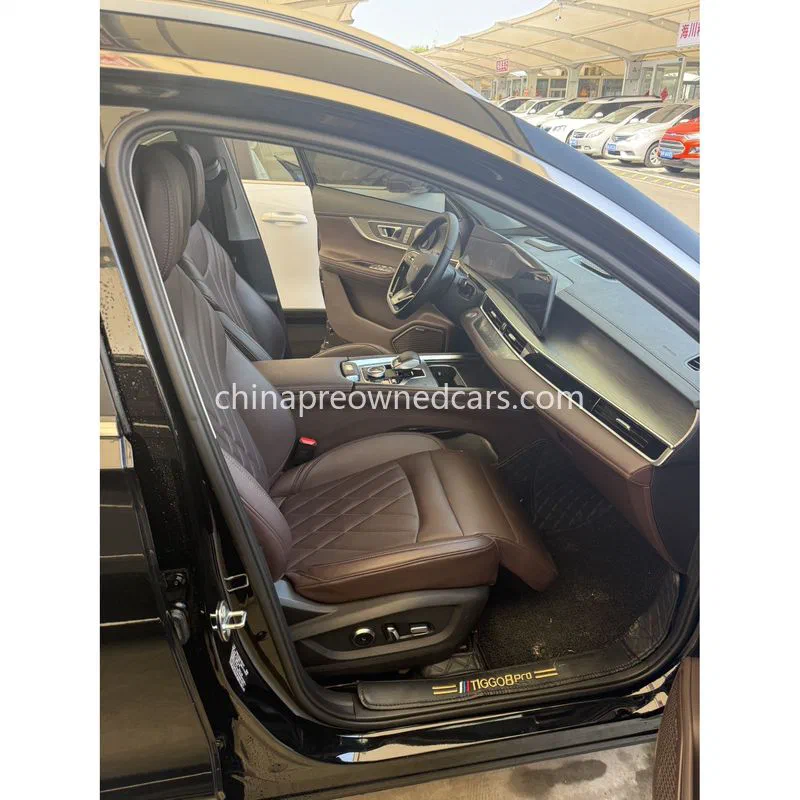
A vehicle review should begin with identity checks. The VIN must match the body markings, registration records, and available service information. Mileage should be checked against maintenance records and inspection findings rather than accepted only from the dashboard display. Accident history, repainting, flood exposure, and previous repairs need careful review. For models such as BYD Atto 3, Chery Tiggo 7 Plus, Chery Tiggo 8 Pro, Geely Coolray, and Haval H6, buyers should request clear photos, inspection details, and maintenance evidence before making a decision.
SUV suitability for African roads depends on more than brand reputation. Ground clearance, suspension condition, tire quality, and cooling performance are important for areas with rough roads, high temperatures, and long-distance driving. Chery Tiggo 7 Plus and Haval H6 are commonly considered for SUV buyers who need cabin space and practical road capability. The condition of shock absorbers, underbody components, air conditioning performance, and engine or hybrid systems should be checked because previous use conditions vary between vehicles.
Electric and hybrid vehicles require additional checks. For the BYD Atto 3, battery state of health is a key inspection item because battery capacity affects driving range and future operating costs. Battery reports, charging history where available, and system diagnostic results should be reviewed. Export buyers should also consider battery transport requirements and charging infrastructure in the destination market. Hybrid models require checks of both fuel-related components and electric systems, as repairs may require different technical support.
Export documentation is another important part of the purchase process. A professional exporter should be able to explain the process involving export licensing, customs declaration, pre-shipment inspection, and shipping arrangements. Buyers should request relevant paperwork, including inspection documents, export documents, and customs clearance records when applicable. Vehicles may be shipped by RoRo or loaded into containers depending on the route, vehicle type, and logistics plan. Shipping lead time varies by destination and port conditions.

Destination requirements must be confirmed before selecting a vehicle. Ghana, Nigeria, Kenya, Uganda, and Tanzania each have their own import rules covering areas such as vehicle age, emissions, roadworthiness, and other compliance requirements. Most Chinese domestic vehicles are left-hand drive, so buyers in markets requiring right-hand-drive vehicles need to confirm compatibility before purchase. Import duties, inspection procedures, and registration requirements should be checked with local authorities or customs professionals because regulations can change.
Exporter selection affects the entire buying experience. Buyers should review the company’s sourcing process, communication quality, inspection methods, and ability to provide shipping support. Clear payment terms should be agreed before any transaction, including payment stages, document release conditions, and responsibilities for logistics costs. Common problems in used vehicle exports include incomplete records, unexpected repair needs, unclear paperwork, and differences between vehicle descriptions and actual condition. Independent verification reduces these risks.
A practical inspection process helps match a vehicle to its intended market. Buyers should focus on condition assessment rather than only seeking the lowest purchase cost. For African markets, a well-maintained SUV with suitable ground clearance, effective climate control, accessible parts support, and verified history can be easier to operate after arrival. Chinese used vehicle exports can provide a range of options, but each unit still requires individual inspection before shipment.
FAQ
Q: What documents should buyers request before purchasing a Chinese used vehicle for export? A: Buyers should request vehicle inspection information, export documentation, and customs-related paperwork where applicable. The exact documents depend on the export process and destination requirements.
Q: Are Chinese electric SUVs suitable for African markets? A: Models such as BYD Atto 3 can be suitable when battery health, charging availability, and local support conditions are reviewed. Buyers should confirm technical requirements before import.