A budget of around $4,000 usually buys an older, smaller used car in many markets, but it does not automatically cover a suitable Chinese-brand SUV exported from China. For African importers comparing used cars for 4000, the key is to distinguish the vehicle’s purchase price from the total landed cost, then assess which models and conditions fit local roads and operating budgets.
What a $4,000 Budget Can Realistically Buy

At this budget, buyers generally need to consider compact sedans, older hatchbacks, or vehicles with higher mileage and visible wear. The exact selection depends on the source market, model year, accident history, mechanical condition, and local demand. An SUV may be available within the budget in some markets, but its age and repair needs deserve close scrutiny.
For importers sourcing from China, the calculation is different. A vehicle advertised at $4,000 is not necessarily a vehicle that can be delivered and registered for that amount. Export preparation, inspection, documentation, inland transport, ocean freight, insurance where applicable, port handling, customs duties, taxes, and local registration can all add to the final cost. Buyers in Ghana, Nigeria, Kenya, Uganda, and Tanzania should obtain a destination-specific landed-cost estimate before committing funds.
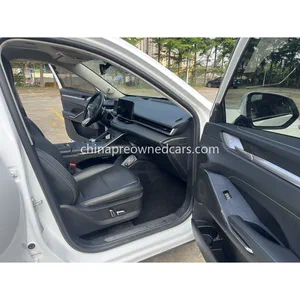
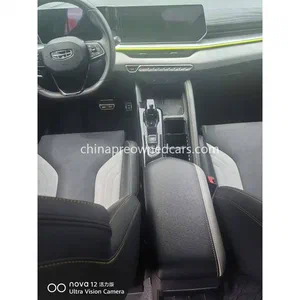
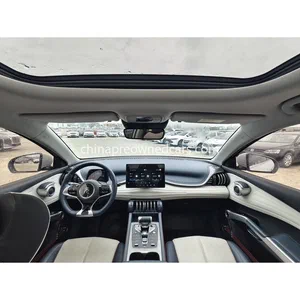
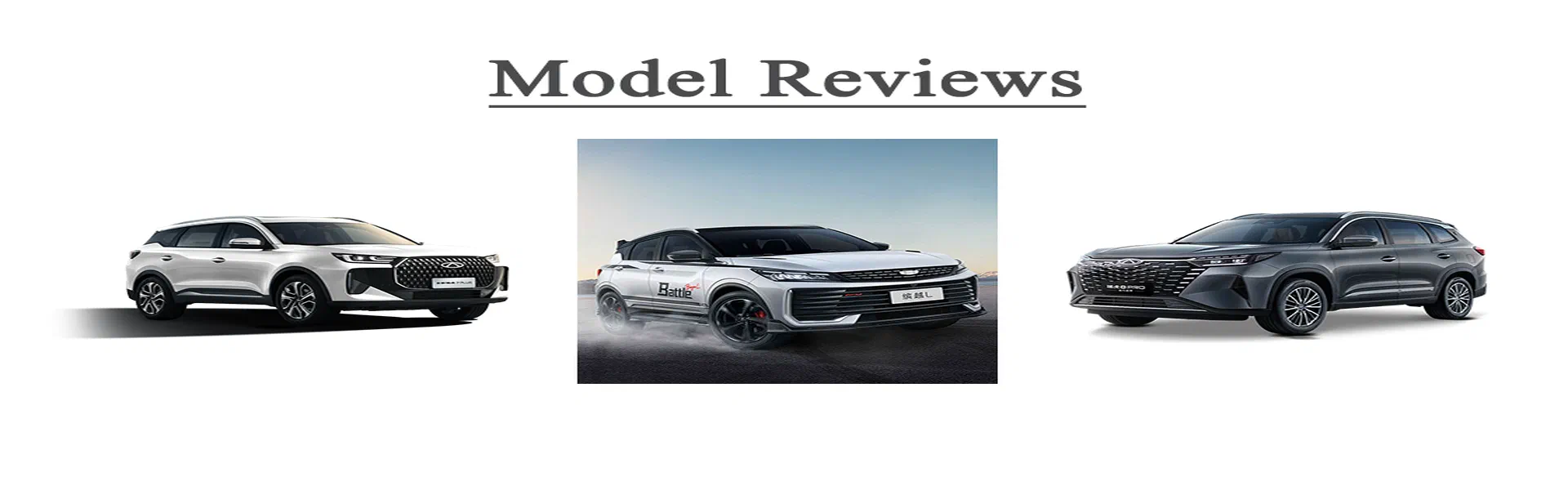
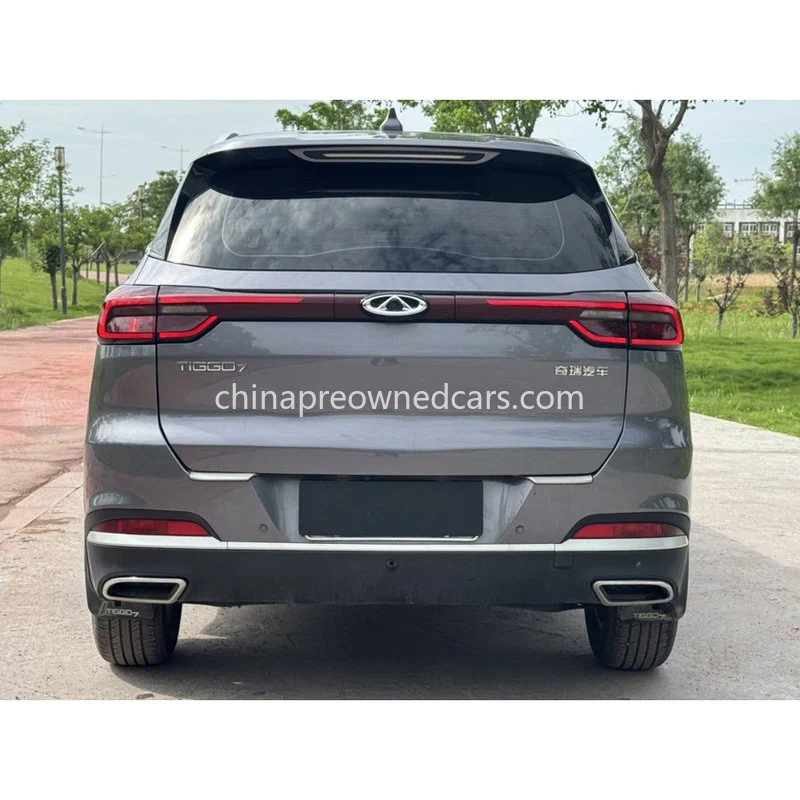
The models available through Chinese used-vehicle exporters also occupy a different price category from many basic older cars. The BYD Atto 3 is a battery-electric SUV, while the Chery Tiggo 7 Plus, Chery Tiggo 8 Pro, Geely Coolray, and Haval H6 are petrol-powered models in their respective configurations. Their suitability depends on the particular vehicle’s age, specification, mileage, and condition. A $4,000 budget may be insufficient for these models once export and shipping costs are included, so buyers should request quotations rather than assume that a target price guarantees availability.
Model Suitability for African Roads
Ground clearance matters on uneven roads, damaged surfaces, and speed bumps. SUVs such as the Haval H6, Chery Tiggo 7 Plus, and Chery Tiggo 8 Pro may offer a more practical body style than a low-slung sedan, but ground clearance varies by model year, trim, tyres, and suspension condition. Inspect the underside for impact damage, oil leaks, worn bushings, damaged shock absorbers, and uneven tyre wear. A vehicle’s SUV shape alone does not establish that it can handle heavily damaged roads.
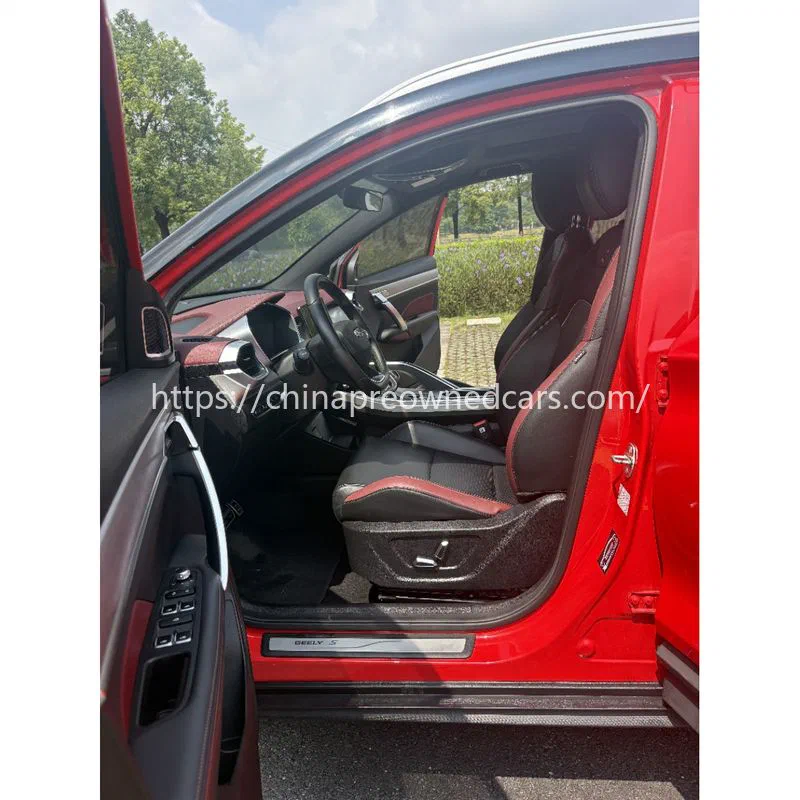
Cabin cooling is another important check in hot climates. Test the air conditioning at idle and during a road test, and check whether the blower operates at every speed. Weak cooling can result from several faults, including refrigerant loss, a failing compressor, blocked airflow, or electrical problems. For the BYD Atto 3, battery health requires separate attention. Request available battery state-of-health information and diagnostic results, check charging operation, and confirm that suitable charging facilities exist where the vehicle will be used. For petrol SUVs, examine the cooling system, transmission behaviour, engine condition, and service records. No model should be treated as trouble-free without evidence from the specific vehicle.
Parts availability can determine whether a low purchase price remains economical after arrival. Before selecting the Geely Coolray or either Chery Tiggo model, check whether local workshops can diagnose the relevant engine and transmission and obtain commonly needed components. Apply the same approach to the Haval H6 and BYD Atto 3, including electronic components and EV-specific diagnostic support for the latter. Buyers should also confirm steering configuration: most vehicles in China’s domestic market are left-hand drive, which can restrict their suitability for markets or registration categories requiring right-hand drive. Import rules differ across Ghana, Nigeria, Kenya, Uganda, and Tanzania, including vehicle-age limits, emissions requirements, and roadworthiness standards. Current requirements must be verified with the destination country’s authorities before purchase.
Inspection and Export Costs to Check
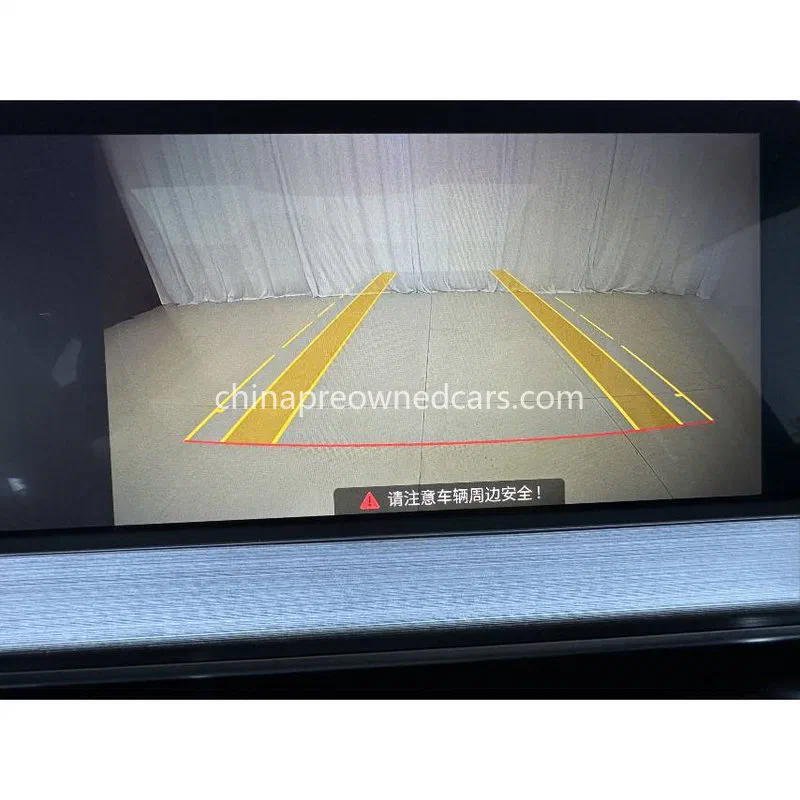
A pre-purchase inspection should document the VIN, odometer reading, body repairs, structural condition, engine or battery status, warning lights, tyres, brakes, suspension, and air conditioning. Request photographs, diagnostic records where available, and a written condition report. Mileage and history should be independently checked where records permit; neither should be accepted as guaranteed solely because it appears in a listing.
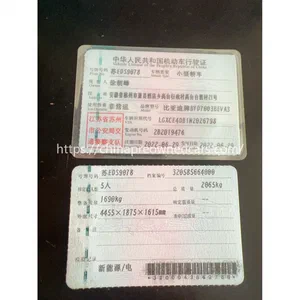
The exporter should explain the export licence arrangements, customs declaration, pre-shipment inspection, and documentation required for the shipment. Vehicles may travel by roll-on/roll-off (RoRo) vessel or inside a shipping container, depending on availability, vehicle dimensions, route, and budget. The quotation should separate the vehicle cost from freight and destination charges, identify the agreed payment milestones, and clarify responsibility for delays or additional port costs. Shipping lead times vary with vessel schedules, routing, customs processing, and port congestion, so an indicative estimate is not a guaranteed arrival date. After-sales arrangements should also be agreed in writing, including which documents, inspection records, and technical information will be supplied.
FAQ
Q: Can an importer buy an SUV from China for around $4,000?
A: It may be possible in some circumstances, but the budget may not cover the vehicle and export costs for the listed Chinese-brand SUVs. Request a vehicle-specific quotation and calculate the full landed cost before making a payment.
Q: What is the most important check before importing a used SUV into Africa?
A: Confirm that the vehicle meets current destination-country import rules, then obtain an independent condition assessment. For electric vehicles, battery health and local charging support also need to be evaluated.