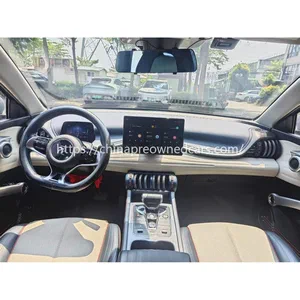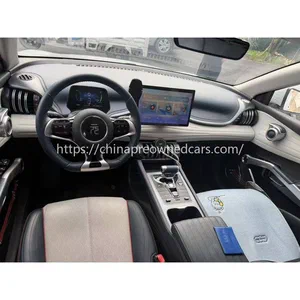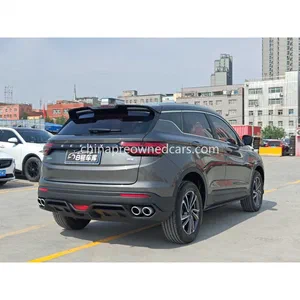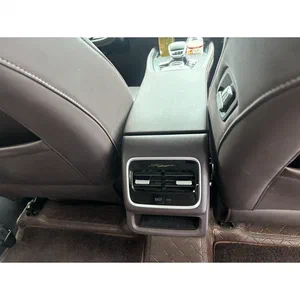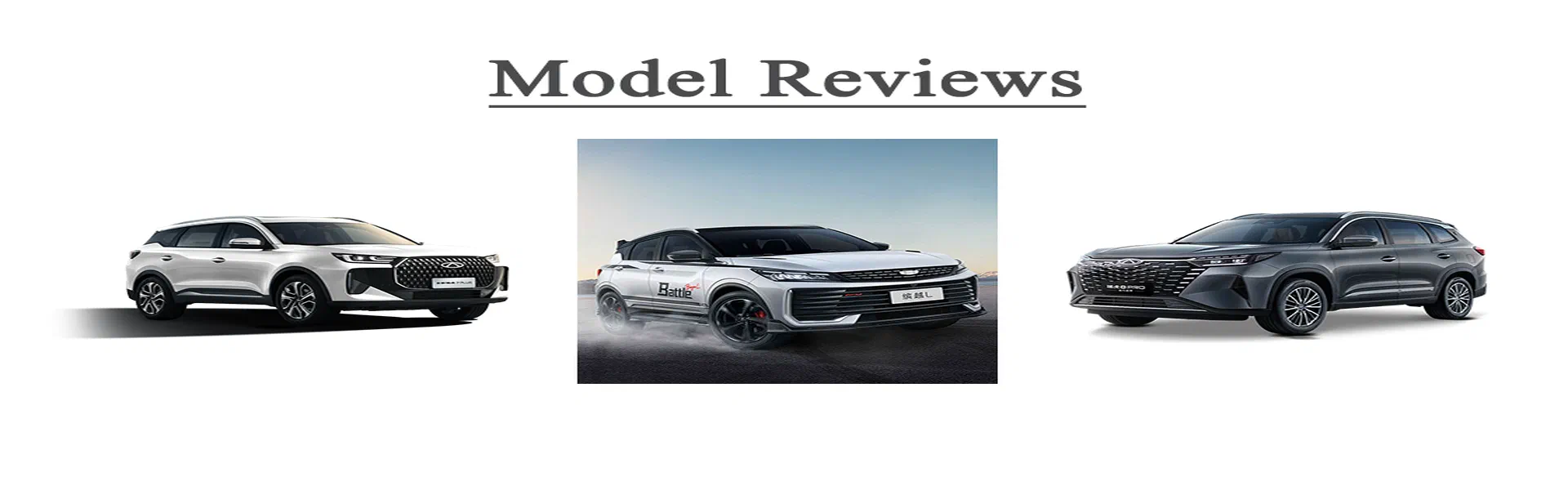
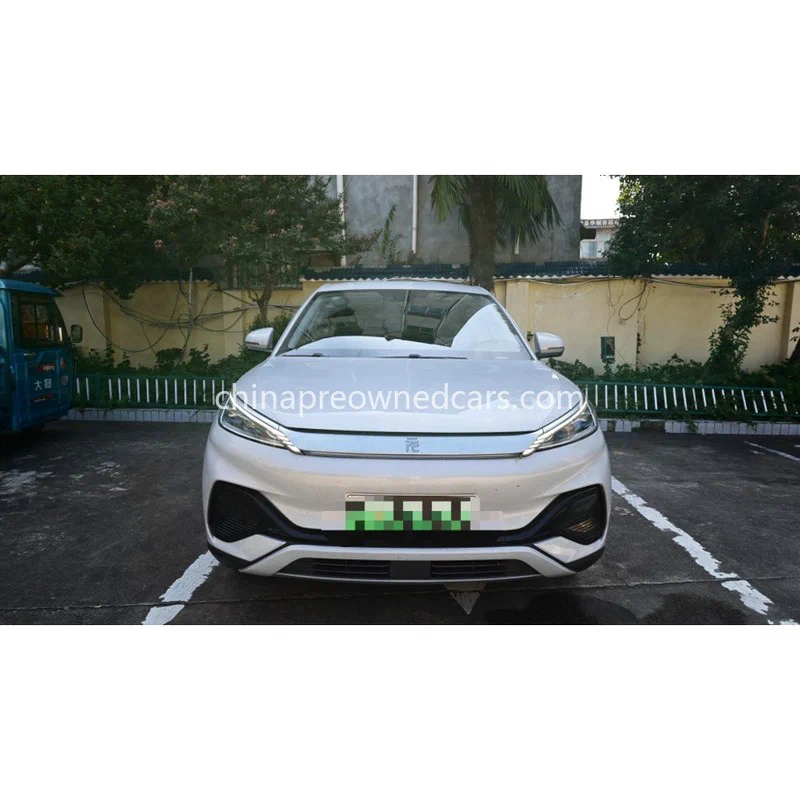
For overseas buyers comparing used cars vs new cars, the decision should start with vehicle condition, export compliance and the cost of preparing the vehicle for local use. Chinese SUVs such as the BYD Atto 3, Chery Tiggo 7 Plus, Chery Tiggo 8 Pro, Geely Coolray and Haval H6 each require checks suited to their powertrain, equipment and intended road conditions. A lower purchase price matters only if the vehicle can be imported, maintained and operated economically in the destination market.
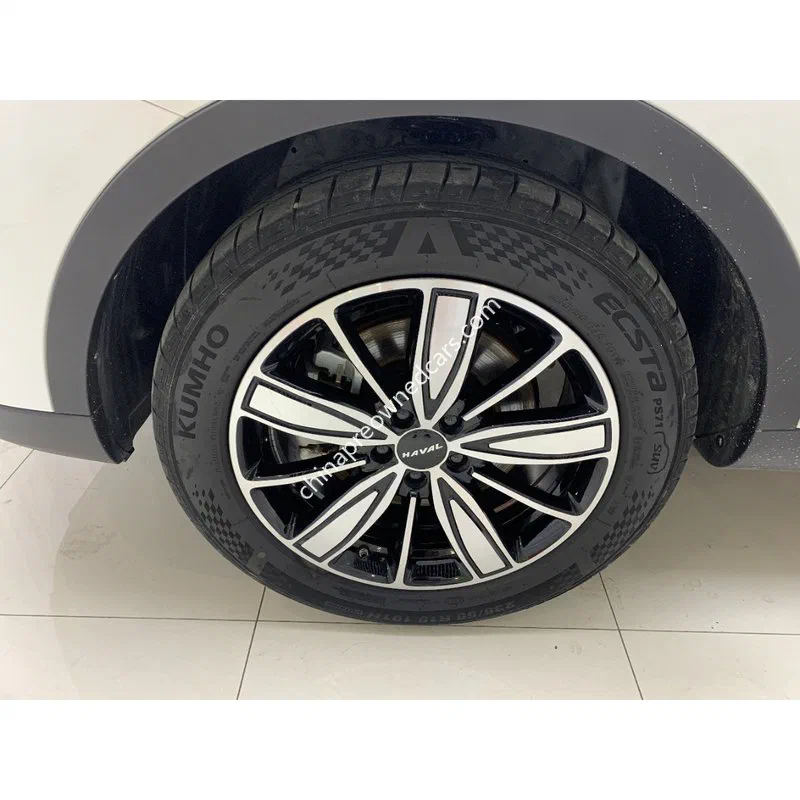
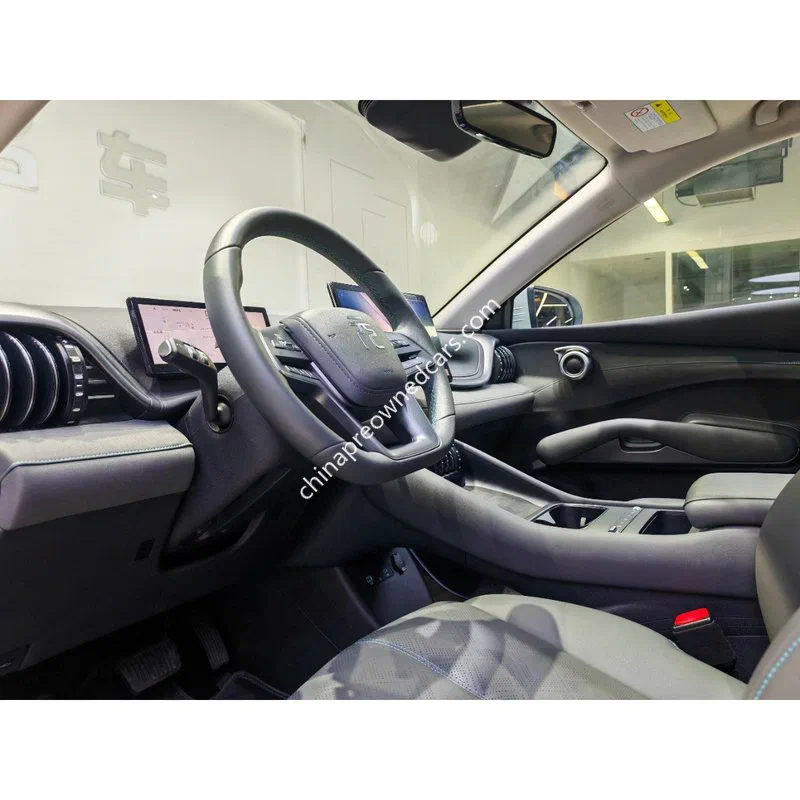
Mileage is a starting point, not a condition rating. Ask for the odometer reading, service records, repair invoices and available ownership history, then compare these against wear on the steering wheel, pedals, seats and tyres. Inconsistent records or unexplained gaps need investigation. Request a vehicle identification number (VIN) and verify that it matches the number on the vehicle, registration records and export documents. An independent inspection should examine the body structure, paint differences, chassis, suspension, steering, brakes, cooling system and signs of flood damage or previous collision repairs. A vehicle with modest mileage can still have neglected maintenance, while a higher-mileage example may be a better purchase if its condition and service history support the assessment. Ask for dated photographs, cold-start footage and a written inspection report before committing funds.
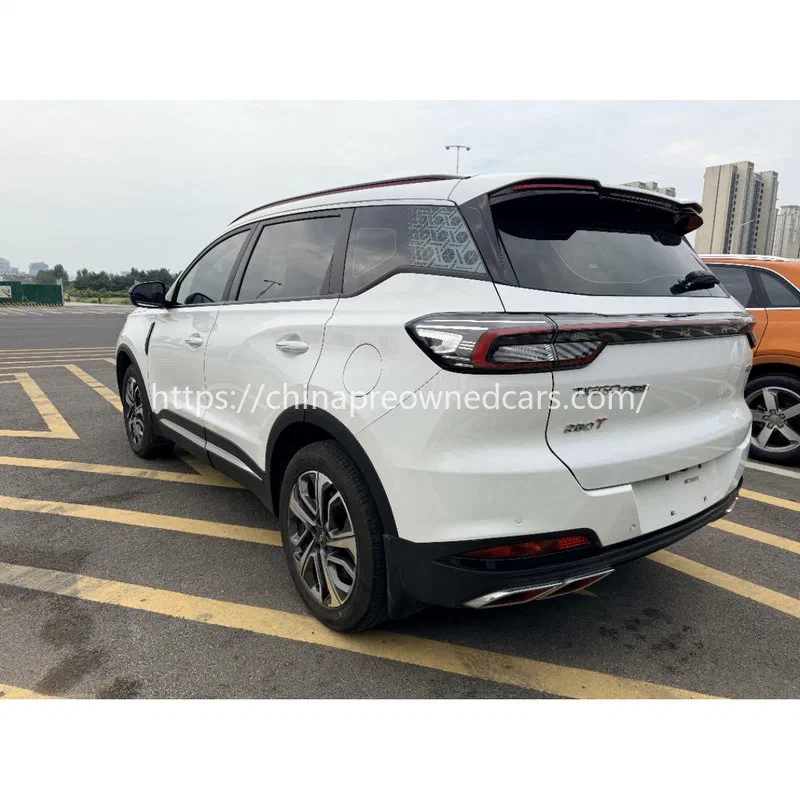
Road suitability deserves particular attention when selecting an SUV for Ghana, Nigeria, Kenya, Uganda or Tanzania. Ground clearance, tyre condition, suspension travel and underbody damage affect performance on uneven roads, potholes and unpaved routes. The Chery Tiggo 8 Pro offers a larger cabin for buyers prioritising passenger capacity, while the Geely Coolray is a more compact option for urban use. The Haval H6 and Chery Tiggo 7 Plus should be assessed for ride height, suspension wear and the availability of replacement components in the intended market. The BYD Atto 3 requires additional checks because it is fully electric. For every model, test the air conditioning, cooling fans, electrical controls, windows and door seals. Hot climates place sustained demands on the cooling system and cabin climate control. No model should be treated as proven for local conditions without examining its actual specification, maintenance record and condition.

Electric vehicles require a separate assessment. For a used BYD Atto 3, request a battery state-of-health report where available, including the testing method, reported usable capacity and any recorded battery faults. Check charging operation, warning messages, battery cooling equipment, high-voltage system diagnostics and the condition of the charging port. Confirm which charging connector and charging standards the vehicle supports, and assess whether suitable charging facilities exist near its intended operating base. Battery range displayed on the dashboard is not a substitute for a measured battery assessment. Buyers should also confirm battery transport requirements with the carrier, since shipping arrangements for electric vehicles may involve additional documentation and handling conditions. For petrol-powered SUVs, inspect engine operation, transmission behaviour, fluid leaks, cooling performance and diagnostic fault codes. Hybrid vehicles, if sourced for a particular order, need checks of both the combustion system and the hybrid battery. Parts availability should be investigated before purchase rather than assumed from the brand name alone.
The exporter and paperwork require the same scrutiny as the vehicle. Ask for the inspection report, VIN details, commercial invoice, sales contract, applicable export licence information and the customs declaration or clearance documents at the relevant stage of the transaction. China’s used vehicle exports require the appropriate export licensing, customs procedures and pre-shipment inspection. Confirm which party is responsible for each step and request copies of documents as they become available. Shipping can be arranged by roll-on/roll-off (RoRo) or container, depending on vehicle dimensions, carrier availability, route and cost. Container shipping may suit buyers who require enclosed transport, while RoRo can be appropriate for eligible running vehicles. Obtain a written quotation that identifies the shipping method, port charges, insurance arrangements and excluded costs. Payment terms should specify the deposit, balance-payment trigger, inspection access and conditions for releasing shipping documents. Be cautious of pressure to transfer funds before the vehicle’s identity and seller’s business details have been verified. Common problems include undisclosed accident damage, mileage discrepancies, missing documents, unexpected port charges and delays caused by incomplete paperwork. Before shipment, confirm current destination rules covering vehicle age, emissions, steering position, roadworthiness and taxes with the relevant authorities or a qualified local customs agent. Most Chinese domestic vehicles are left-hand drive, which can restrict their suitability in markets requiring right-hand-drive vehicles. After-sales arrangements should identify who handles document corrections, claims and technical enquiries once the vehicle leaves China.
FAQ
Q: Is a used Chinese SUV a better purchase than a new one for export?
A: It depends on the vehicle’s verified condition, purchase and shipping costs, expected maintenance and local parts availability. Compare the complete landed cost rather than the purchase price alone.
Q: What documents should a buyer request before shipment?
A: Request the VIN, inspection report, sales contract, commercial invoice and applicable export licence information. Confirm the customs declaration, clearance paperwork and shipping documents with the exporter before the relevant transaction stages.
Q: What is the most important check for a used BYD Atto 3?
A: Obtain a battery state-of-health assessment where available and verify charging operation, diagnostic records and battery cooling. Confirm destination charging compatibility and the carrier’s requirements for transporting the vehicle.