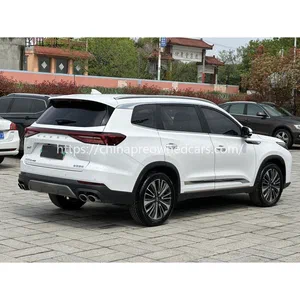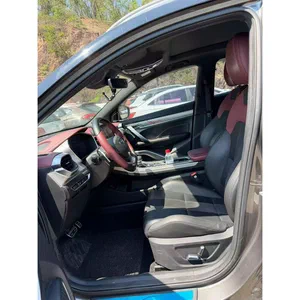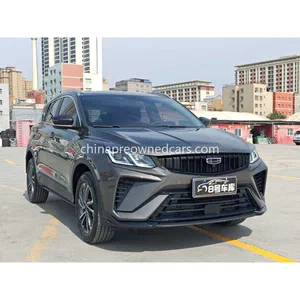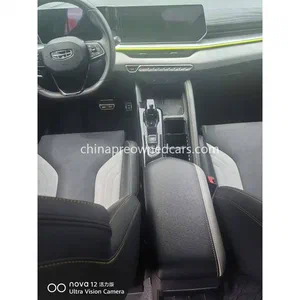
A used Chinese SUV export purchase requires more than checking photos and a quoted specification sheet. This guide covers the practical checks behind a checklist for used car purchase, with attention to Chinese-brand SUVs supplied to overseas markets and the export steps that affect the final vehicle handover.
Vehicle inspection points before purchase
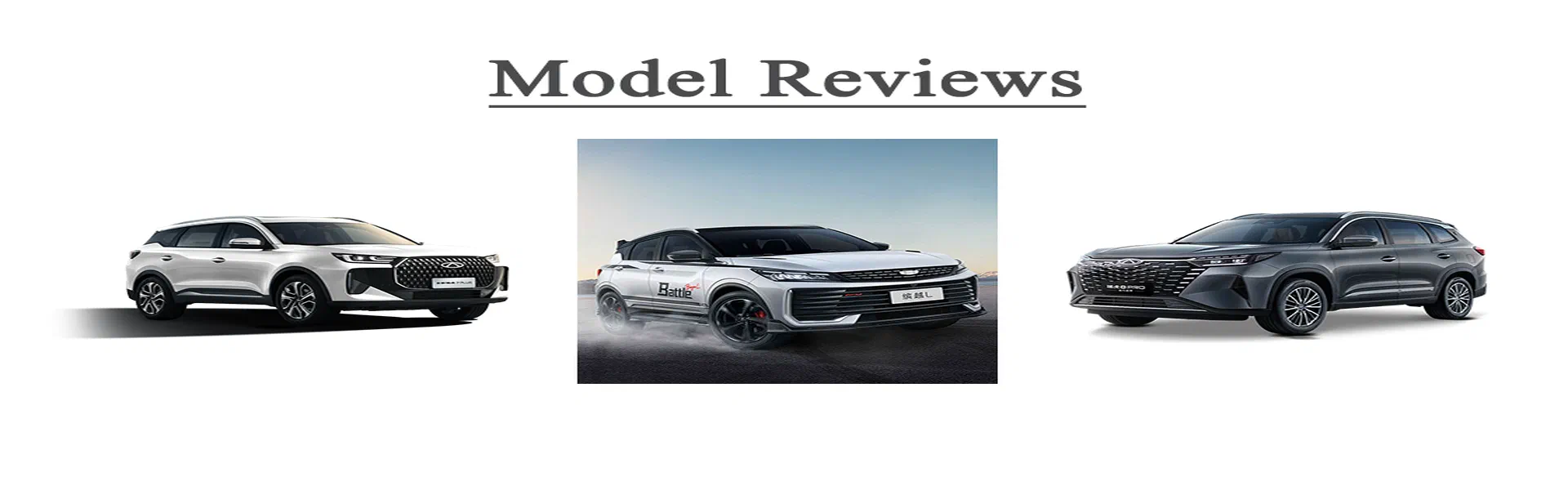
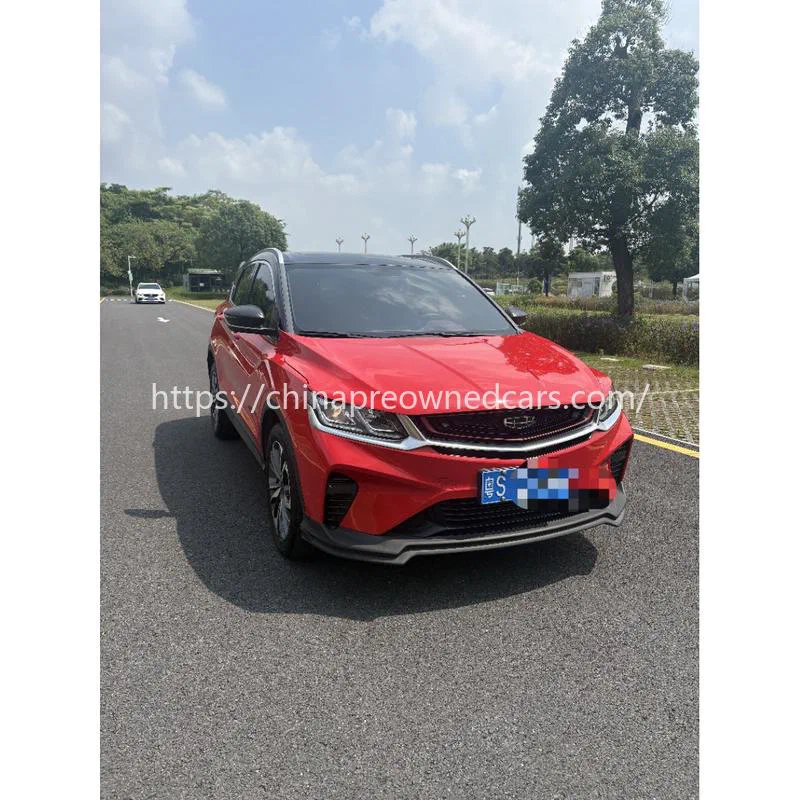
For African road conditions, vehicle suitability starts with basic mechanical checks. Models such as BYD Atto 3, Chery Tiggo 7 Plus, Chery Tiggo 8 Pro, Geely Coolray, and Haval H6 are commonly considered by buyers looking for SUVs with useful cabin space and road clearance. A buyer should verify actual mileage through available records, compare dashboard information with service documents, and review any accident history. Exterior repairs, uneven panel gaps, suspension noise, tyre condition, and underbody damage need attention, especially when vehicles may later operate on rough roads.
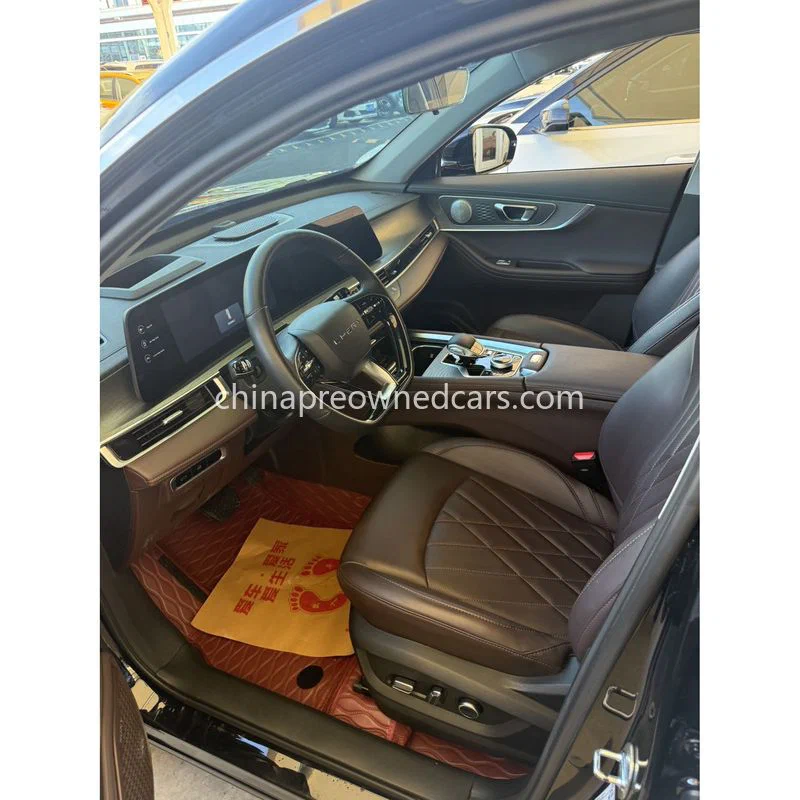
Interior condition also provides useful evidence. Air conditioning performance matters in hot climates such as Ghana, Nigeria, Kenya, Uganda, and Tanzania. Controls, screens, cameras, charging ports, and safety systems should be tested before purchase. A vehicle inspection report from the exporter or an independent inspection provider can help document findings before shipment, but the buyer should review the details rather than rely only on a general condition statement.
EV and SUV checks for overseas operation
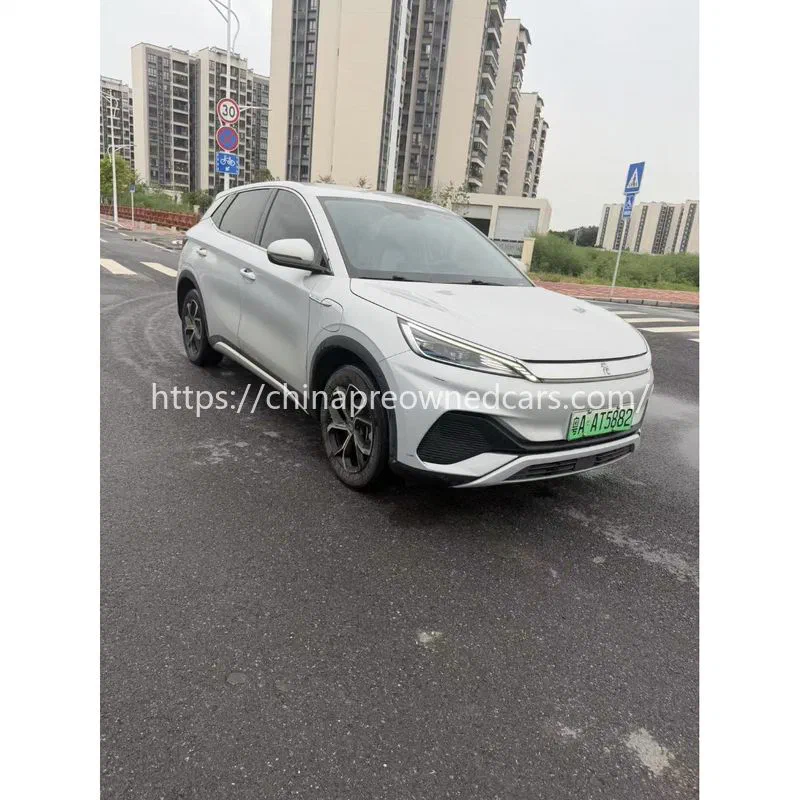
Electric SUVs require additional checks beyond combustion vehicles. For BYD Atto 3 and other new energy vehicles, battery health is a key item to verify. The buyer should request available battery condition information, charging system checks, and records showing how the vehicle was used. Battery state of health can affect driving range and future operating costs, while battery transport requirements may affect export arrangements.
Hybrid SUVs require different attention. Components such as the hybrid system, battery unit, and engine operation should be checked according to the vehicle type. For all SUV models, ground clearance, suspension response, cooling performance, and climate control operation should match the expected road environment. Parts availability should also be considered. Buyers should confirm access to maintenance support and replacement parts in their destination market before completing a purchase.
Export documents and shipping preparation

A professional Chinese used vehicle export process includes several formal steps. Exporters need the proper export license, customs declaration, and pre-shipment inspection procedures before the vehicle leaves China. Buyers should request relevant documentation, including vehicle information, inspection records, export paperwork, and customs clearance documents where applicable.
Shipping normally takes place through RoRo or container methods. RoRo shipping loads vehicles onto specialised vessels, while container shipping can provide another option depending on vehicle type, route, and logistics arrangements. The choice affects handling procedures and cost structure. Shipping lead time varies by route, port conditions, and customs processes, so buyers should confirm the expected timeline with the exporter rather than assume a fixed schedule.
Checking exporter credibility and payment terms
Exporter selection is an important part of overseas purchasing. A buyer should review whether the company provides clear vehicle details, inspection procedures, export documentation support, and communication throughout the transaction. Photos and videos are useful, but they should support written vehicle information rather than replace inspection evidence.
Payment terms should be understood before funds are transferred. Common international trade arrangements may involve staged payments or payment after agreed documentation steps, depending on the exporter and transaction structure. The exact terms should be confirmed in writing, including what documents are provided, when ownership-related paperwork is released, and how shipping arrangements are handled. Clear records reduce misunderstandings between overseas buyers and Chinese suppliers.
Market requirements and common risks
Destination rules differ between countries. Import regulations in Ghana, Nigeria, Kenya, Uganda, and Tanzania can change and may include requirements related to vehicle age, emission standards, roadworthiness, and permitted drive side. Most Chinese domestic vehicles are left-hand drive, so buyers in markets requiring right-hand-drive vehicles need to confirm sourcing options before placing an order.
Common problems in used vehicle imports often come from incomplete checks rather than the vehicle model itself. Missing service history, unclear accident records, incorrect VIN information, unsuitable vehicle configuration, or misunderstanding local import rules can create difficulties after arrival. VIN verification and document review should be completed before shipping. The buyer should also confirm whether local technicians can maintain the selected model after import.
Final review before confirming an order
A careful purchase decision combines vehicle inspection, export preparation, and destination planning. For Chinese SUVs entering African markets, models like Haval H6, Chery Tiggo 8 Pro, and BYD Atto 3 should be evaluated according to actual operating needs rather than specifications alone. Fuel type, charging availability, passenger capacity, road conditions, and maintenance access all influence long-term use.
Before confirmation, buyers should keep a written record of the selected vehicle condition, agreed payment terms, requested documents, and shipping arrangements. A structured review process helps identify issues early and supports smoother customs clearance and vehicle delivery.
FAQ
Q: What documents should a buyer request before exporting a used Chinese vehicle? A: Buyers should request vehicle information, inspection records, export license details, customs clearance paperwork, and other documents required for the destination market.
Q: Are Chinese used electric SUVs suitable for African markets? A: Models such as BYD Atto 3 can be considered where charging infrastructure, local support, and import requirements match the vehicle specifications. Battery health and local operating conditions should be checked before purchase.