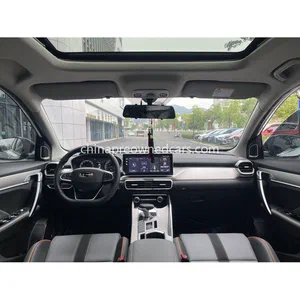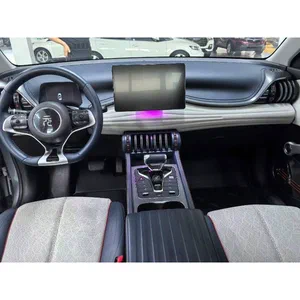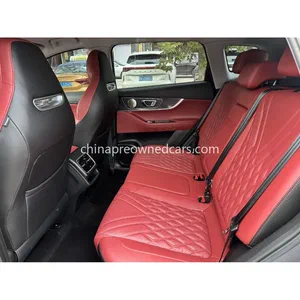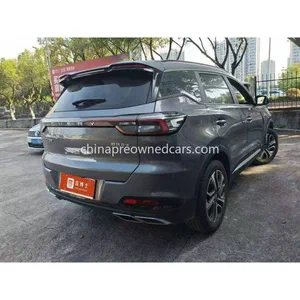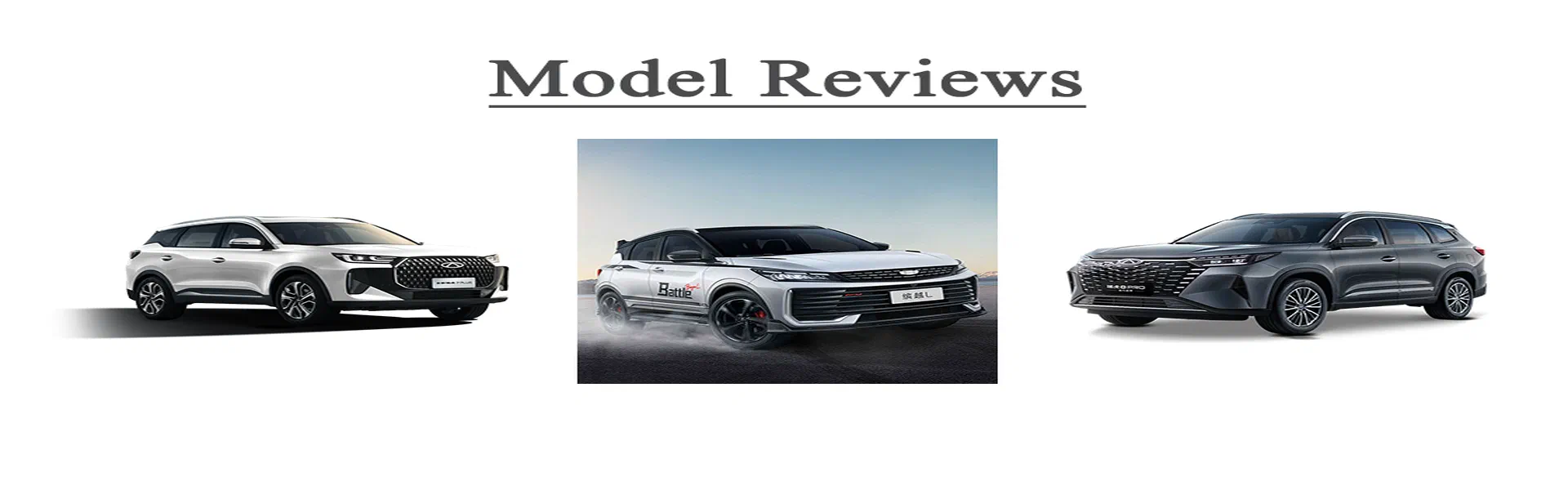
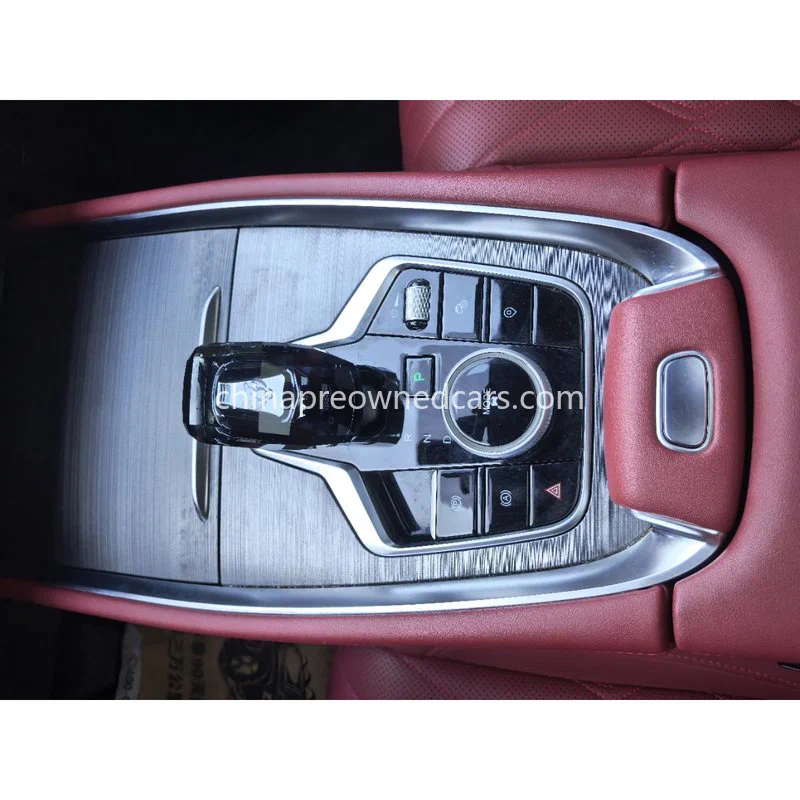
Used car prices dropping has changed the comparison between imported EVs and hybrid SUVs, especially for buyers evaluating Chinese pre-owned vehicles for African markets. This review examines BYD Atto 3, Chery Tiggo 7 Plus, Chery Tiggo 8 Pro, Geely Coolray, and Haval H6 from an export perspective, focusing on the factors that affect ownership after arrival.
Powertrain comparison for export use
Electric SUVs and hybrid or combustion SUVs solve different operating problems. The BYD Atto 3 uses a fully electric powertrain, which reduces dependence on fuel supply but requires suitable charging access. Battery state of health, charging connector compatibility, battery history, and local charging infrastructure should be checked before export.
Hybrid and petrol SUV options such as Chery Tiggo 7 Plus, Chery Tiggo 8 Pro, Geely Coolray, and Haval H6 are less dependent on charging networks. They may suit areas where long-distance travel, rural routes, or limited charging facilities are common. Fuel consumption depends on driving conditions, maintenance history, and vehicle configuration, so inspection records remain important.
For African roads, SUV body design matters as much as the power source. Ground clearance, suspension condition, cooling performance, and tire condition affect daily use on rough roads. Models such as Haval H6 and Chery Tiggo 8 Pro are often considered by buyers needing larger SUV space, while Geely Coolray offers a smaller SUV format for urban and mixed road use.
Export inspection and market compatibility
A used vehicle prepared for export requires more than a visual check. Exporters normally arrange vehicle inspection, export licensing, customs declaration, and pre-shipment inspection before shipping. The inspection process should verify the VIN, maintenance records where available, battery condition for EVs, accident history indicators, and wear items such as brakes and suspension components.
Destination requirements in Ghana, Nigeria, Kenya, Uganda, and Tanzania can differ. Import rules may include vehicle age limits, emission standards, roadworthiness checks, and documentation requirements. Buyers should confirm the latest local regulations before shipment because these requirements can change.
Most vehicles sourced from China are left-hand drive. This matches many markets but creates limitations for destinations that require right-hand-drive vehicles. Importers should confirm drive-side rules before selecting a model, especially when considering markets with different road systems.
The EV charging system requires additional attention. The charging standard, available charging equipment, and service capability in the destination country should be reviewed. A used EV can be practical where charging support exists, while a hybrid SUV may provide more flexibility in locations with developing charging networks.
Model-specific checks before purchase
The BYD Atto 3 should be evaluated mainly through battery inspection. A buyer should request available battery health information, charging history details, and a check of the electric system. Physical inspection should also cover underbody damage, cooling components, suspension parts, and signs of previous repairs.

Chery Tiggo 7 Plus and Chery Tiggo 8 Pro provide SUV space and conventional servicing advantages. Inspection should focus on engine condition, transmission operation, cooling systems, and electronic features. The larger Tiggo 8 Pro can be suitable for family or commercial passenger use where interior capacity is a priority.
Geely Coolray and Haval H6 require the same export inspection discipline. Coolray’s compact size can fit buyers seeking easier urban operation, while Haval H6 is commonly reviewed as a larger SUV option for mixed driving conditions. Parts availability should be checked with local suppliers or service partners in the destination market rather than assumed.
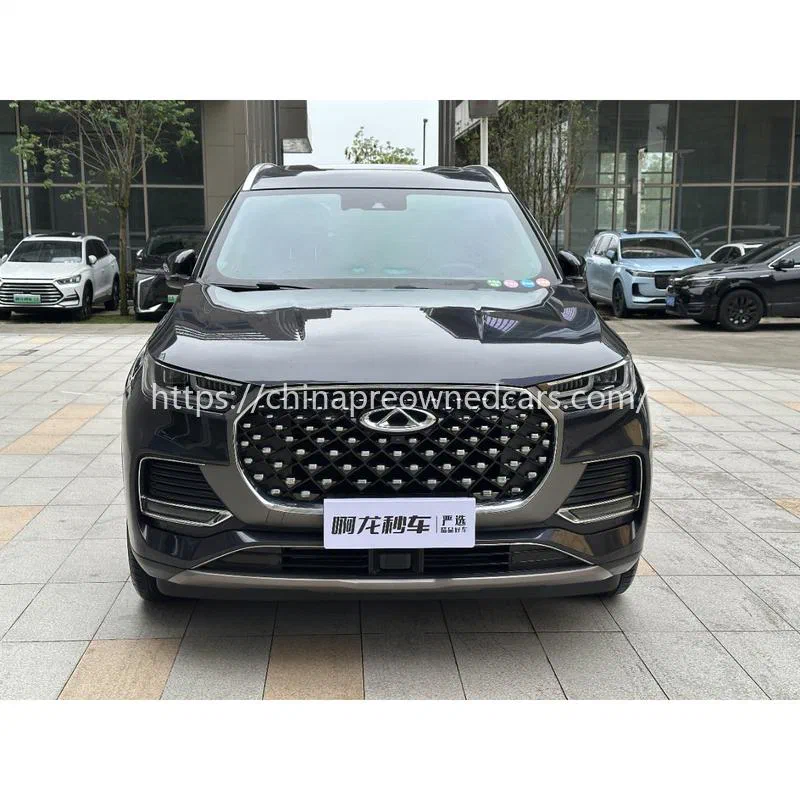
Shipping method also affects the export process. Vehicles may be transported by RoRo shipping or loaded into containers depending on route availability, vehicle condition, and buyer requirements. Export documentation normally includes ownership documents, customs paperwork, inspection records where applicable, and shipping documents needed for port clearance.
Payment terms and communication records should be agreed before shipment. Buyers should confirm what documents are included, what inspection information is provided, and what after-sales support is available after the vehicle reaches the destination port. A clear process reduces disputes during international vehicle transactions.
Chinese pre-owned SUVs can serve different market needs when the selection process matches local conditions. EVs such as BYD Atto 3 require charging preparation and battery checks, while hybrid and petrol SUVs require attention to mechanical condition and service access. The right choice depends on road conditions, infrastructure, and import requirements in each destination market.
FAQ
Q: Is an electric SUV better than a hybrid SUV for African export markets?
A: It depends on charging availability, driving patterns, and local service capability. EVs require battery and charging checks, while hybrid SUVs may offer more flexibility where charging networks are limited.
Q: What should be checked before exporting a used Chinese SUV?
A: Buyers should verify VIN information, vehicle condition, inspection records, battery health for EVs, maintenance history where available, and destination import requirements.
Q: Can Chinese used vehicles be shipped to Ghana, Nigeria, Kenya, Uganda, and Tanzania?
A: Exporters can arrange shipments to these markets, but each country has its own import rules, documentation requirements, and vehicle standards that should be confirmed before purchase.