Used vehicle condition should be assessed through more than exterior appearance and the odometer reading. For buyers sourcing Chinese SUVs for Ghana, Nigeria, Kenya, Uganda and Tanzania, the key questions are whether the vehicle’s mechanical condition can be verified, whether its mileage is credible, and whether its features suit local road and climate conditions.
How Used Car Condition Grades Work
Condition grades provide a starting point for comparing vehicles, but grading systems vary between exporters. An excellent cosmetic grade does not establish that the engine, transmission or battery is healthy. Buyers should request a written grading standard that separates bodywork, interior wear, mechanical condition and repair history.
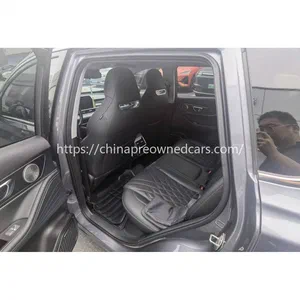
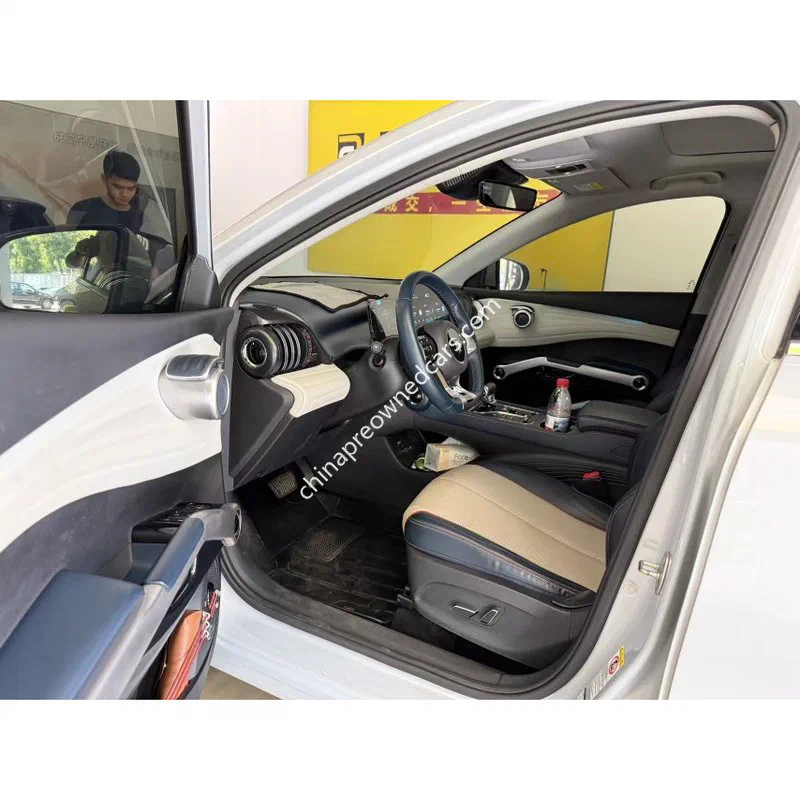
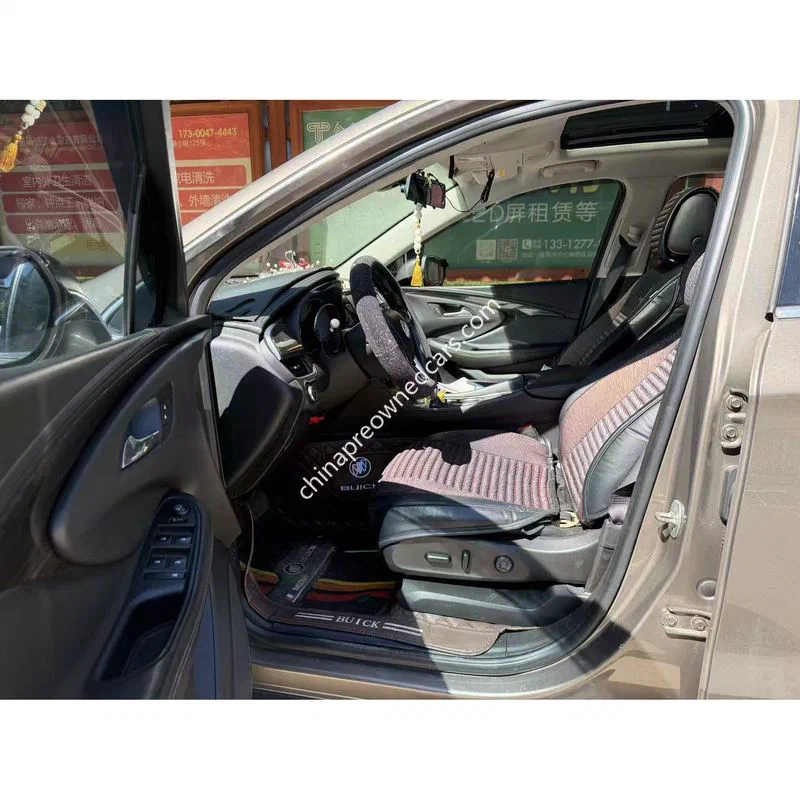
A typical assessment may distinguish vehicles with minimal visible wear from those showing moderate cosmetic damage or requiring repairs. Scratches, paint fading, worn upholstery and small dents usually affect presentation. Uneven panel gaps, mismatched paint, structural repairs or corrosion around load-bearing areas require closer investigation. Photographs should include the roof, underbody, wheel arches, door edges and engine bay, rather than only polished exterior angles.
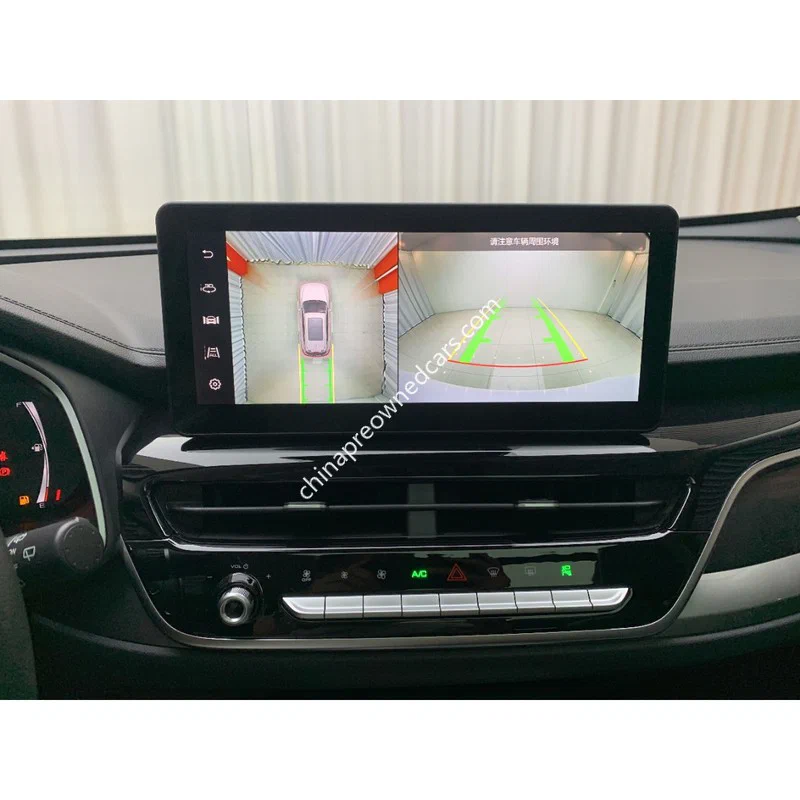
Mechanical assessment carries greater weight than appearance alone. For the Chery Tiggo 7 Plus, Chery Tiggo 8 Pro, Geely Coolray and Haval H6, inspectors should examine engine operation, transmission response, cooling performance, suspension noise, steering play and braking behaviour. A road test, where practical, can reveal hesitation, vibration or abnormal sounds that a stationary inspection misses. Diagnostic scans can identify stored fault codes, but cleared codes or intermittent faults may not appear during a single check.
Mileage is another important grading factor. Lower mileage can indicate less use, but it does not automatically mean better condition. Repeated short trips, poor maintenance, prolonged storage and rough-road driving can cause problems even at relatively low readings. Compare the odometer with available service invoices, maintenance records, inspection documents and wear on the steering wheel, pedals and driver’s seat. Electronic records and instrument readings should agree where records are available; inconsistencies need an explanation before payment.


Inspection Priorities for African Road Conditions
Ground clearance and suspension condition deserve particular attention when selecting an SUV for uneven roads, speed bumps and unpaved routes. The Haval H6 and Chery Tiggo 8 Pro offer SUV body styles suited to buyers needing more cabin space, while the Geely Coolray is a more compact option for urban use. Actual clearance, tyre specification and underbody protection vary by model year and trim. Confirm the exact vehicle specification rather than assuming every version can handle the same terrain.
Heat places additional demands on the cooling system and air conditioning. Inspectors should check whether the cabin cools consistently, whether the engine maintains normal operating temperature and whether cooling fans operate correctly. Look for coolant residue, oil leaks, damaged hoses and evidence of overheating. Suspension bushings, shock absorbers, wheel bearings and tyres also need examination because worn components can become expensive to repair after arrival. A clean engine bay alone proves little; recent cleaning can conceal leaks that require a longer inspection or road test to identify.
For the BYD Atto 3, battery health requires a separate assessment from conventional mechanical checks. Buyers should request available battery state-of-health data, diagnostic results and information about charging performance. Inspect the battery enclosure and high-voltage system for visible damage, warning indicators and signs of previous repairs, using qualified personnel where necessary. A dashboard range estimate is not a substitute for a battery health report. Charging compatibility, local technician capability and replacement-part access should also be checked before shipment. For combustion SUVs, the equivalent priorities include engine cooling, transmission condition and access to routine service parts.
Parts availability affects the practical value of every model. Common service items such as filters, brake components, tyres and suspension parts are generally easier to plan for than model-specific electronic modules or body panels. Availability for Chinese brands can differ considerably between cities and distributors in Ghana, Nigeria, Kenya, Uganda and Tanzania. Before purchasing, buyers should identify local repair options, confirm parts ordering channels and ask which diagnostic equipment is supported. Reliability should be judged from the individual vehicle’s maintenance evidence and known service requirements, not from brand reputation alone.
Verifying Export-Grade Condition Before Purchase
The term export-grade is not a universal technical certification. Dealer-grade is similarly dependent on the seller’s own criteria. Neither phrase guarantees accident-free history, original mileage or a fault-free vehicle. A useful export inspection report identifies the vehicle by VIN, records the odometer reading, describes visible damage, lists diagnostic findings and documents any faults or repairs identified. Buyers should request dated photographs and, where feasible, an independent inspection before authorising final payment.
Inspection has limits. A pre-shipment check can identify observable defects and certain diagnostic problems, but it cannot guarantee future reliability or reveal every concealed repair, intermittent electronic fault or internal mechanical issue. Ask whether the inspection included a road test, underbody examination, diagnostic scan and cold start. Confirm which items were not tested. For vehicles advertised as used cars for 1500, clarify the currency and whether the figure refers to a deposit, auction starting point or complete vehicle price; an unusually low advertised amount should not be treated as a confirmed export cost.
Before shipment, the buyer should reconcile the inspection report with the VIN, vehicle documents, agreed condition grade and payment terms. China’s used vehicle export process involves applicable export licensing, customs declaration and pre-shipment inspection requirements, followed by shipping arrangements and destination clearance. RoRo shipping carries eligible vehicles aboard a vessel, while container shipping places vehicles inside a freight container. The choice depends on vehicle dimensions, route availability, cargo arrangements and protection requirements. Destination rules on vehicle age, emissions, roadworthiness and steering position must be checked against current official requirements. Most Chinese domestic vehicles are left-hand drive, which is a critical consideration for markets with right-hand-drive requirements. Written agreement on the vehicle’s condition, inspection scope, included documents and responsibility for repairs helps reduce disputes before the vehicle leaves China.
FAQ
Q: Does low mileage guarantee a better used SUV?
A: No. Service records, mechanical inspection, driving conditions and evidence of odometer consistency matter alongside mileage.
Q: What should a buyer request before paying for an export vehicle?
A: Request the VIN, dated inspection report, odometer evidence, available service history, detailed photographs and written payment and condition terms. For an electric SUV, also request available battery health diagnostics.
Q: Does export-grade mean the vehicle is free of faults?
A: No. The term depends on the seller’s grading criteria and is not a universal certification. Buyers should confirm the inspection scope, documented defects and destination import requirements independently.