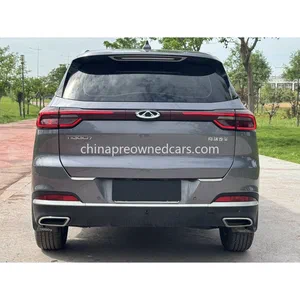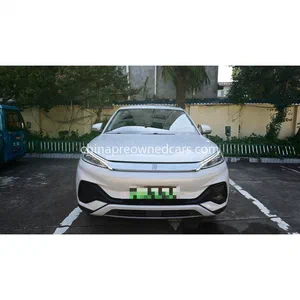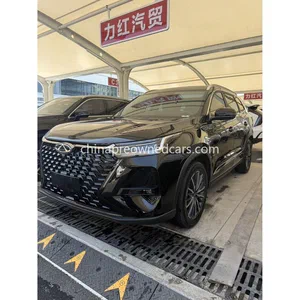

A used Toyota Camry and a new compact car serve different buying priorities, but overseas import decisions depend on more than the purchase price. For African buyers comparing a used sedan with a new compact vehicle or a pre-owned Chinese SUV, the key checks are mechanical condition, parts support, ground clearance, documentation and total landed cost. The used camry vs new compacts comparison is useful only when each vehicle is assessed against the roads and import rules in its destination market.
Vehicle condition and mechanical checks
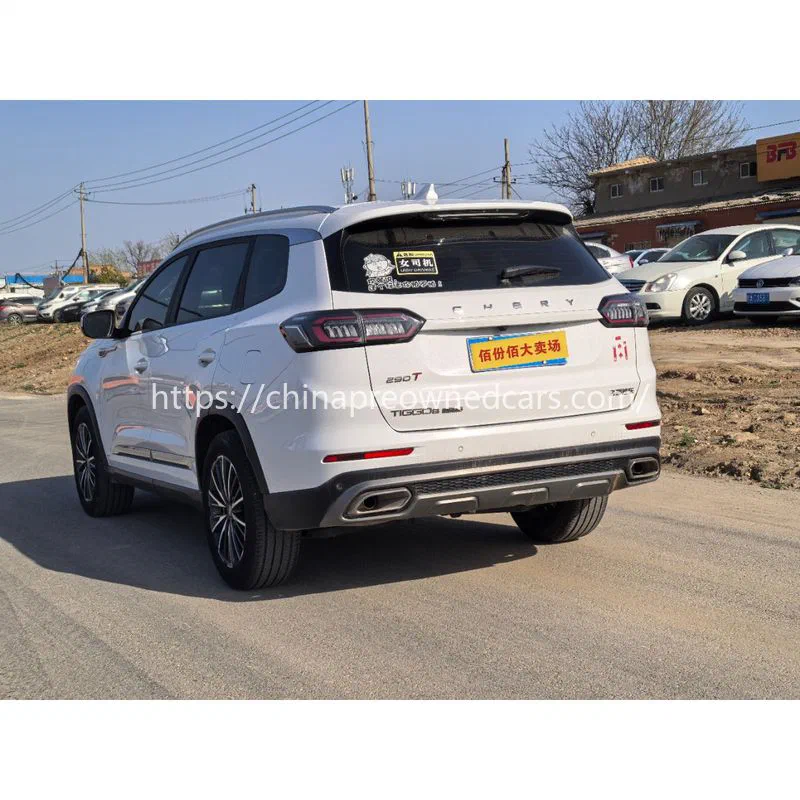
Start with the odometer, service records and accident history. Mileage alone does not establish condition: a higher-mileage vehicle with documented maintenance may be a better purchase than a low-mileage example with unexplained wear. Request dated service invoices where available, compare recorded mileage across maintenance documents and inspection records, and investigate gaps or inconsistent readings. The same approach applies to Chinese SUVs such as the Geely Coolray, Haval H6 and Chery Tiggo 7 Plus.
An independent pre-shipment inspection should cover the engine, transmission, suspension, steering, brakes, tyres, cooling system and electrical equipment. On a Camry, inspect for oil leaks, transmission hesitation, abnormal engine noise and uneven tyre wear that may indicate suspension or alignment problems. On an SUV, pay particular attention to suspension joints, underbody damage and signs of previous off-road use. Request photographs or video of any identified defects, along with a written record of repairs recommended before shipment.
VIN verification is equally important. Match the vehicle identification number on the car against its registration or ownership documents and the export paperwork. Examine body panels for inconsistent paint, weld marks and uneven gaps, then check for signs of flood damage or structural repairs. A seller’s condition grade is useful only when its criteria are clear. Buyers should obtain the actual inspection findings rather than treating labels such as grade A or excellent condition as proof of mechanical quality.
Suitability for African roads and operating conditions

Ground clearance matters on uneven rural roads, damaged urban streets and speed bumps. A sedan such as the Camry may provide comfortable road manners, but its lower stance can increase the risk of underbody contact on rough routes. Compact SUVs, including the Chery Tiggo 8 Pro and Haval H6, generally offer a more practical body style for buyers who regularly encounter poor road surfaces. Actual clearance varies by model year, trim, tyres and vehicle condition, so verify the specifications of the exact unit rather than relying on the model name.
Climate control deserves a separate inspection in Ghana, Nigeria, Kenya, Uganda and Tanzania. Test the air conditioner at idle and during a road test, check fan speeds and confirm that the system cools consistently after the engine reaches operating temperature. Inspect the radiator, coolant condition, cooling fans and evidence of overheating. Dust, heat and heavy traffic can place sustained demands on cooling systems and cabin filters. A vehicle that performs well during a brief test in mild weather may still need further assessment before entering a hotter operating environment.
Reliability and parts access should shape the shortlist. Toyota’s established presence in many African markets can make Camry maintenance familiar to local workshops, although parts availability varies by generation and location. Chinese-brand SUVs require a more specific check: ask local distributors and independent repairers whether routine filters, brake components, suspension parts, diagnostic equipment and model-specific electronic components can be obtained. For the BYD Atto 3, confirm access to suitable EV diagnostics and high-voltage repair expertise. Do not assume that every workshop can service every Chinese model simply because it is sold in the region.
Export documentation, payment and shipping risks
Before paying a deposit, obtain a pro forma invoice identifying the vehicle, model year, VIN, agreed condition, included equipment and payment milestones. Ask for the pre-shipment inspection report, ownership or registration evidence, export license details where applicable, and confirmation of the customs declaration process. After clearance, request the relevant customs documentation and shipping documents, including the bill of lading when issued. Requirements can differ by transaction and destination, so the exporter and buyer should agree in writing who prepares each document and who handles any destination-side clearance.
Check exporter credibility independently. Confirm the company’s registered business details, verify that the bank account beneficiary matches the contracting entity or has a documented explanation, and request a live video inspection showing the actual vehicle and its VIN. Review a sample inspection report and shipping-document set before committing funds. Payment terms commonly involve a deposit followed by a balance at an agreed milestone, but the precise structure is negotiable. Avoid paying the full amount solely on the strength of catalogue photographs or informal messaging. The contract should explain what happens if inspection reveals undisclosed damage, documents cannot be issued or the shipment is delayed.
Shipping is generally arranged by roll-on/roll-off (RoRo) service or container. RoRo is designed for vehicles driven onto and off the vessel, while container shipping places the vehicle inside a secured freight container and may suit consolidated cargo arrangements. Compare the full charges, including inland transport in China, port handling, freight, insurance where arranged and destination fees. Confirm the shipping schedule directly against the booking and allow for port congestion, customs processing and documentation corrections. Before selecting a vehicle, also verify the destination’s current rules on vehicle age, emissions, roadworthiness and left-hand-drive acceptance. Most Chinese domestic vehicles are left-hand drive, which can restrict their suitability in markets requiring right-hand drive. Used EV purchases need additional battery state-of-health evidence and confirmation of applicable battery transport requirements.
FAQ
Q: Is a used Camry or a pre-owned Chinese SUV more suitable for African roads?
A: A Camry may suit buyers prioritising sedan comfort and familiar servicing, while an SUV may offer more ground clearance. The better choice depends on route conditions, parts availability and the verified condition of the individual vehicle.
Q: What should an importer verify before paying for a used vehicle from China?
A: Verify the VIN, mileage records, accident history, inspection report, export documentation and written payment terms. Confirm current destination import rules and obtain a shipping quotation that separates freight charges from destination taxes and fees.