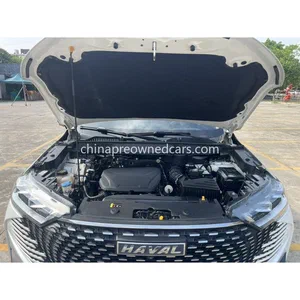

Assessing the condition of used vehicles is a crucial step in the export process, especially for markets in Africa, the Middle East, and South America. Buyers need to understand how vehicles are graded based on various criteria, including cosmetic appearance, mechanical health, mileage, and service history. These factors directly influence the vehicle’s suitability for different markets and help ensure compliance with local regulations.
Condition grading typically includes categories such as “export-grade” or “dealer-grade,” which indicate the expected quality level of the vehicle. Export-grade vehicles usually possess minimal cosmetic defects, satisfactory mechanical performance, and a verified history of maintenance. Buyers should carefully examine vehicle inspection reports, which cover critical aspects like structural integrity, engine performance, and safety features. It’s essential to note that while inspection reports can confirm the vehicle’s operational status, they may not guarantee the absence of hidden issues, such as internal engine wear or undisclosed accident damage.

For those considering vehicles like the BYD Atto 3 or Chery Tiggo 8 Pro, understanding specific market requirements is vital. Most of the inventory is left-hand drive, making it suitable for many African countries. However, buyers should verify local regulations regarding emission standards and vehicle age limits, as these can vary significantly. It’s also wise to check the availability of spare parts and service networks for the specific models in the destination market, as this can impact long-term maintenance and reliability.
Before finalizing a purchase, buyers should conduct thorough due diligence. This includes verifying the vehicle identification number (VIN) against documentation for any discrepancies, as well as obtaining a pre-purchase inspection from a reputable mechanic. Red flags such as excessive rust, unusual engine noises, or inconsistent service records should be taken seriously. Understanding the vehicle’s history and confirming its mechanical and cosmetic condition will minimize the risk of unexpected issues after the sale.
FAQ
Q: What does “export-grade” mean in vehicle condition grading?
A: “Export-grade” indicates that the vehicle meets specific quality standards suitable for international markets, typically showing minimal cosmetic defects and having verified mechanical health.
Q: How can I verify a vehicle’s condition before purchasing?
A: Buyers should obtain a detailed inspection report, check the VIN against documentation, and consider a pre-purchase inspection by a qualified mechanic to confirm the vehicle’s condition.