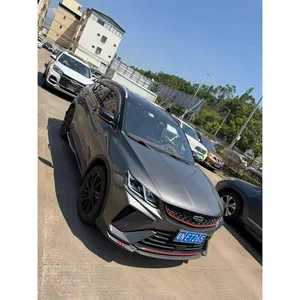

Evaluating affordable used vehicles requires careful consideration, especially when sourcing from overseas markets. For buyers interested in Chinese-brand electric and hybrid SUVs, understanding vehicle features, export procedures, and local market regulations is crucial. This guide offers practical insights into assessing vehicles like the BYD Atto 3 or Chery Tiggo 7 Plus before making a purchase.
Vehicle Features and Specifications
When considering models such as the Haval H6 or Geely Coolray, it’s essential to examine their specifications closely. Key factors include ground clearance, which is vital for navigating rough terrains commonly found in regions like Ghana and Nigeria. Many of these SUVs offer adequate ground clearance, making them suitable for various road conditions. Additionally, climate control features are important for ensuring comfort in hotter climates. Reliability is another aspect to evaluate; research the track record of these models and any common failure points that may require attention, such as electrical issues or battery performance in electric vehicles.
Export Procedures and Documentation

Exporting used vehicles from China involves several procedural steps. Buyers should ensure that the vehicles undergo a pre-shipment inspection to confirm their condition and compliance with local regulations. Documentation is critical; it’s advisable to request the inspection report, export license, and customs clearance paperwork to facilitate a smooth transaction. Understanding the shipping methods, whether RoRo (Roll-on/Roll-off) or container shipping, can also impact costs and logistics. RoRo is generally more cost-effective for larger vehicles, while container shipping offers added protection during transit.
Market-Specific Requirements
Different markets have unique requirements regarding vehicle age, emission standards, and drive side configurations. Most vehicles in this inventory are left-hand drive, which is suitable for countries like Kenya and Uganda. However, buyers should verify the specific import regulations for their destination, as these can include restrictions on vehicle age and emissions compliance. Regularly updated market guidelines must be confirmed to avoid any issues upon arrival.
Practical Buyer Guidance
Prospective buyers should verify several key aspects about the vehicle before purchase. This includes checking the mileage, service history, and any accident records. For electric vehicles, assessing the battery health is critical, as it directly affects performance and longevity. It’s advisable to request the Vehicle Identification Number (VIN) to ensure authenticity and trace the vehicle’s history. Payment terms can vary; standard practices often involve a deposit followed by the balance upon documentation approval. Understanding the common pitfalls, such as hidden damages or non-compliance with local laws, can help buyers make informed decisions.
Assessing Exporter Credibility
Selecting a credible exporter is vital in ensuring a smooth buying process. Researching the exporter’s reputation through reviews, industry certifications, and previous buyer experiences can provide valuable insight. A reputable exporter will typically have clear communication, transparency in pricing, and a structured process. It’s also beneficial to inquire about after-sales support, as this can significantly affect the overall ownership experience.
FAQ
Q: What should I prioritize when inspecting a used vehicle? A: Focus on the vehicle’s service history, mileage, accident records, and for electric vehicles, the battery health.
Q: How can I ensure that the exporter I choose is trustworthy? A: Research their reputation through reviews and previous buyer experiences, and ensure they provide transparent pricing and clear communication.