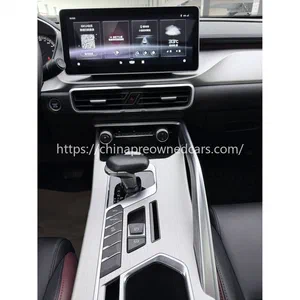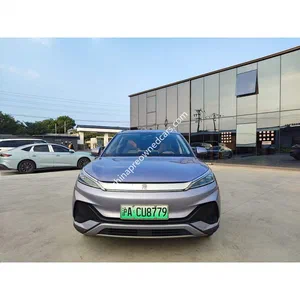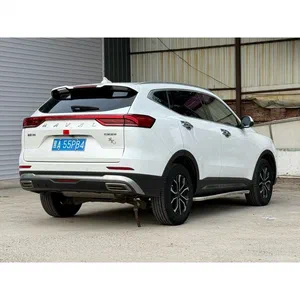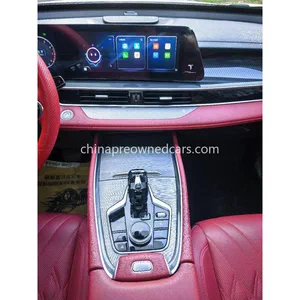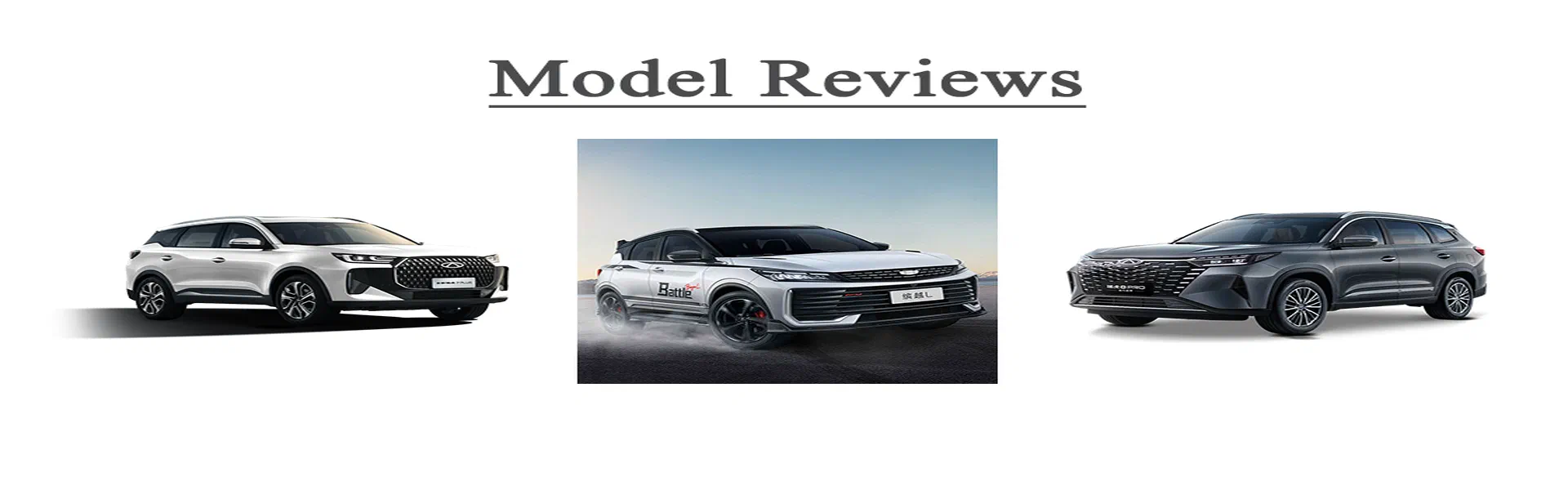
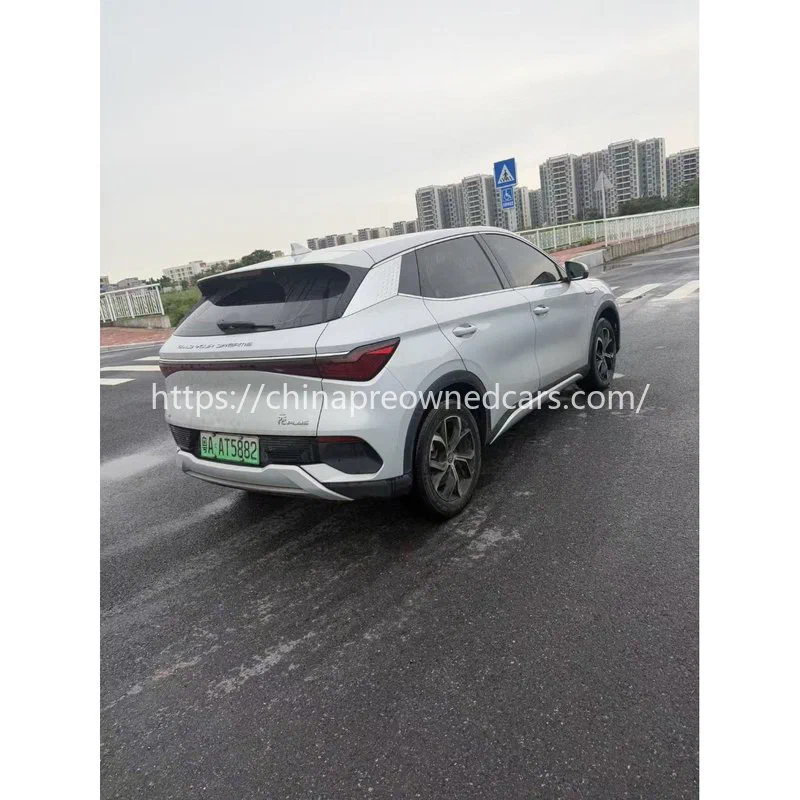
The Haval H6 stands out as a practical choice for buyers in African markets seeking reliable used vehicles. This compact SUV is well-suited for varied road conditions, making it a solid option for urban and rural environments. With its favorable specifications, the H6 is designed to meet the demands of cross-border vehicle buyers while offering features that cater to local preferences.
The Haval H6 typically features a 2.0-liter turbocharged engine, delivering a balance of power and efficiency. It usually offers a fuel economy of around 8 to 10 liters per 100 kilometers, depending on driving conditions. As most of the Haval H6 models in the inventory are left-hand drive, they fit well within markets like Ghana, Nigeria, and Kenya, which predominantly use left-hand drive vehicles. Buyers should be aware of the emission standards specific to their destination market, as regulations may vary.
Condition grading of used Haval H6 vehicles typically ranges from acceptable to good, with common inspections focusing on the engine, transmission, and exterior bodywork. The climate control system in the Haval H6 is generally effective, providing comfort in warmer climates often found in African regions. Buyers should check for signs of wear and tear, particularly in high-usage areas like the suspension and brakes, as these can impact overall reliability and maintenance costs.
Parts availability is a crucial consideration for buyers in Africa. The Haval brand has established a growing support network across the continent, ensuring that essential components are accessible. Additionally, the H6 has a reputation for reliability, reducing the average used car maintenance cost per year compared to other models in its class. Prospective buyers should verify the vehicle’s service history and parts sourcing options prior to purchase, ensuring they have access to timely repairs and maintenance.

When purchasing a Haval H6, buyers should conduct thorough inspections and consider obtaining a pre-purchase inspection. This process helps identify any potential issues that may not be immediately visible. Documentation is another critical component of the export process; buyers must ensure that export licenses, customs clearance documents, and inspection reports are in order to facilitate a smooth transaction.
In terms of shipping, the Haval H6 can be transported via RoRo (Roll-on/Roll-off) or container shipping, depending on the buyer’s preference and budget. Typically, shipping lead times can vary from 15 to 25 days, depending on the destination port and current logistics conditions. After-sales support is also an important aspect of the buying process, and buyers should inquire about warranty options and service agreements available through the exporter.
FAQ
Q: What should I check before purchasing a used Haval H6?
A: Verify the vehicle’s service history, inspect key components like the engine and suspension, and ensure that all necessary documentation is complete.
Q: How does the Haval H6 perform in terms of fuel economy?
A: The Haval H6 usually offers a fuel economy of around 8 to 10 liters per 100 kilometers, making it efficient for everyday use.
Q: What are the shipping options for exporting a Haval H6?
A: The Haval H6 can be shipped using RoRo or container shipping methods, with lead times typically ranging from 15 to 25 days.