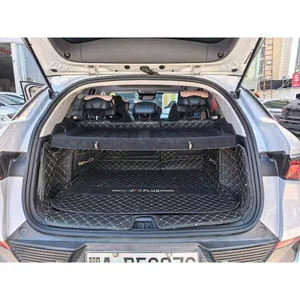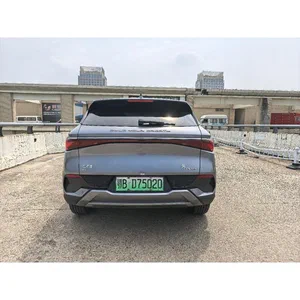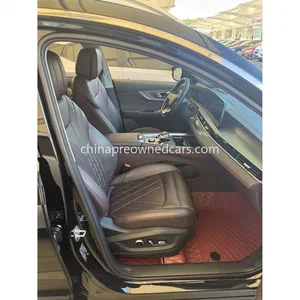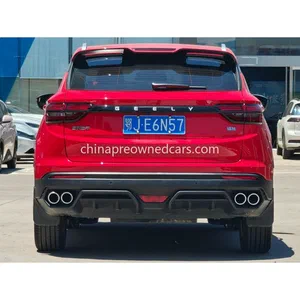
A used vehicle under 5000 shipped from China requires more than a suitable purchase price. Export inspection, documentation, port handling and freight charges all affect the final landed cost. For buyers in Ghana, Nigeria, Kenya, Uganda and Tanzania, the vehicle’s condition and suitability for local roads should be assessed alongside the shipping arrangements.
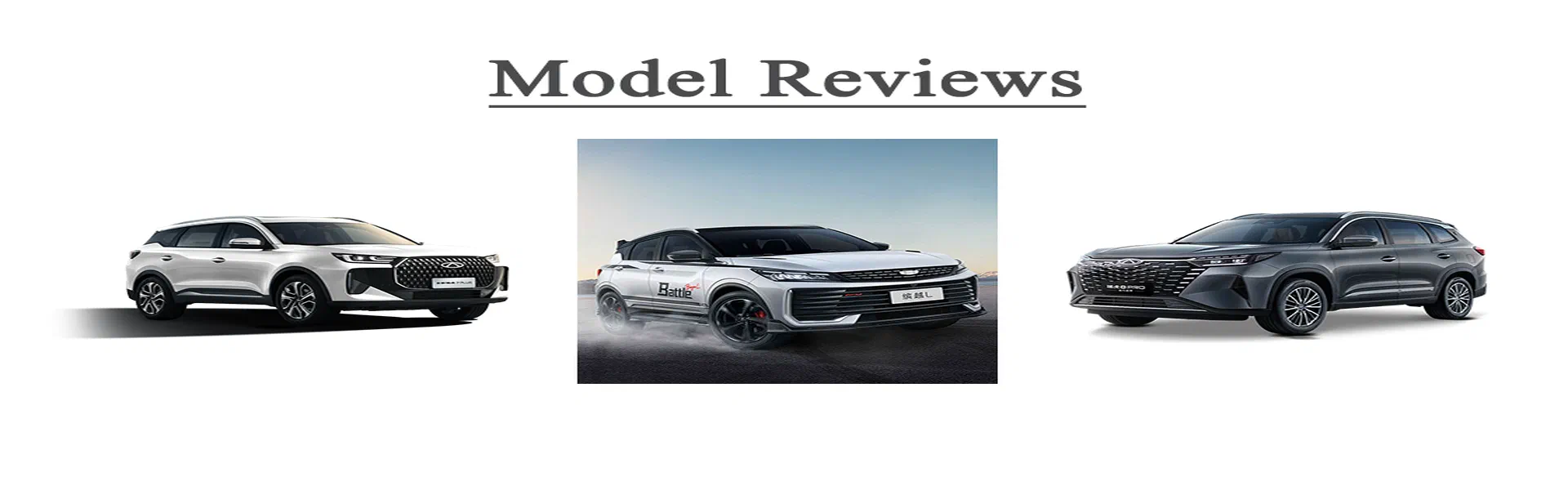
The models available through Chinese sourcing include the BYD Atto 3, Chery Tiggo 7 Plus, Chery Tiggo 8 Pro, Geely Coolray and Haval H6. Each has different operating characteristics. The Haval H6 and Chery Tiggo 8 Pro offer SUV body proportions that suit buyers needing cabin space and everyday practicality. The Geely Coolray is a smaller option, while the Chery Tiggo 7 Plus provides a middle ground. The BYD Atto 3 is fully electric, making battery condition and charging access central purchasing considerations. For African roads, ground clearance, suspension condition, tyre wear and underbody damage deserve particular attention. Air conditioning should also be tested under sustained operation in hot weather. No model should be treated as immune to mechanical problems. Buyers should inspect cooling systems, transmission response, suspension joints, steering components and electronic warning indicators. Parts availability varies across destination markets, so local workshops and distributors should be consulted before selecting a less familiar model. A vehicle’s service records and diagnostic results provide useful evidence, but neither mileage nor previous maintenance history should be accepted without verification.
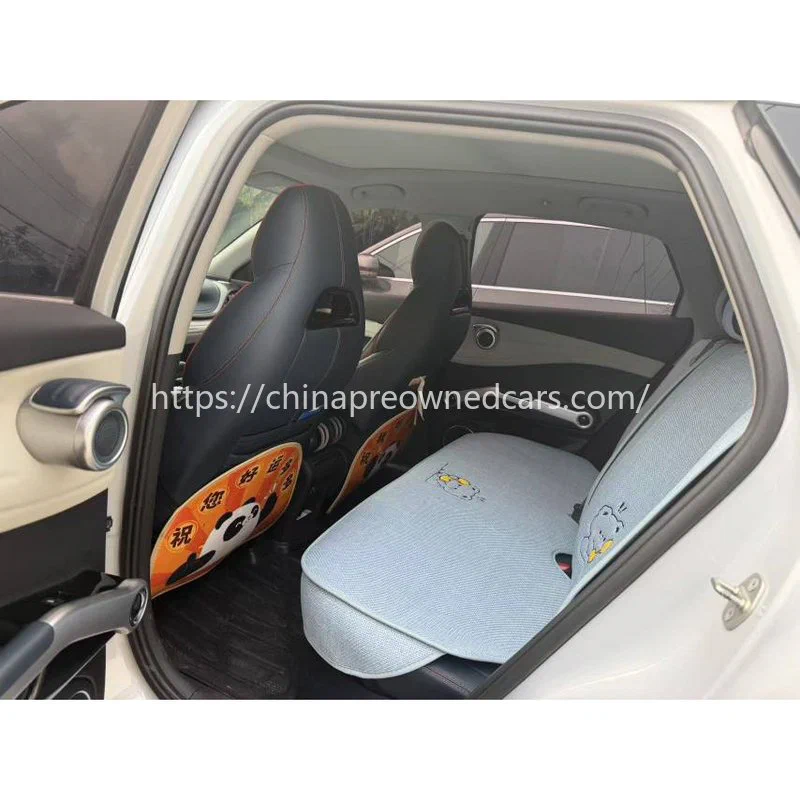
Once a vehicle is selected, the exporter arranges a pre-shipment inspection before customs procedures begin. The inspection should cover the VIN and registration details, engine or electric drivetrain, brakes, tyres, lights, bodywork, interior equipment and visible signs of accident damage or corrosion. For the BYD Atto 3, battery state of health, charging performance and battery diagnostic records require additional review. The inspection report should document observed defects rather than imply a guaranteed condition. Any certification or inspection document required for export or destination clearance must be confirmed against the applicable regulations. China-side export processing generally involves an export licence where required, customs declaration and supporting vehicle documentation. The document package may include the commercial invoice, vehicle ownership or deregistration records, certificate of origin where applicable, inspection documents and shipping instructions. After loading, the carrier issues the bill of lading. Names, VIN details, consignee information and destination port must match across the paperwork. Errors can delay customs release.
Shipping normally uses either Roll-on/Roll-off (RoRo) or container transport. RoRo suits operational vehicles that can be driven onto and off the vessel. It is often more economical, although exposure during port handling and sea transit should be considered. Container shipping offers additional physical protection and may suit vehicles requiring more careful handling, but loading, securing and container charges can increase the total cost. The choice depends on vehicle condition, shipping budget and available vessel services. At the Chinese departure port, the vehicle undergoes export clearance and terminal handling before loading. At the destination port, the consignee or appointed clearing agent handles import declaration, applicable duties, inspections and release procedures. Lead time includes inland transport, export processing, vessel scheduling, ocean transit and destination clearance; port congestion and customs checks can extend the schedule. Ghana, Nigeria, Kenya, Uganda and Tanzania each apply their own rules on vehicle age, emissions, roadworthiness and import eligibility. Most Chinese domestic vehicles are left-hand drive, which must also be checked against local requirements. Buyers should obtain a current landed-cost estimate and confirm import eligibility before making payment.

FAQ
Q: Does the purchase budget include shipping and import duties?
A: Not necessarily. Vehicle cost, inland transport, inspection, ocean freight, insurance, port charges and destination duties should be calculated separately.
Q: Is RoRo or container shipping better for a used SUV?
A: RoRo is generally more economical for operational vehicles, while container shipping offers greater protection during handling and transit.
Q: What documents should be checked before shipment?
A: Buyers should verify the vehicle identification details, commercial invoice, ownership or deregistration documents, applicable export and inspection records, certificate of origin where required, and bill of lading after shipment.