
Pre-shipment inspections are essential for ensuring that used vehicles meet export standards and are suitable for buyers in markets like Ghana, Nigeria, and Kenya. These inspections typically cover various aspects, including the vehicle’s mechanical condition, exterior and interior quality, and compliance with local emission standards. Certification is required to confirm that the vehicle has passed these checks, which can include a report from an authorized inspection entity. Buyers should ensure that all necessary documents, such as the bill of lading and certificate of origin, are in place before proceeding with the export process.
Export documentation is a critical part of the workflow when buyers seek to purchase used government vehicles. This includes customs declarations, which provide details on the vehicle’s specifications and ownership history. Along with the bill of lading, which serves as a receipt for the shipment, the certificate of origin confirms where the vehicle was manufactured. Accurate documentation helps facilitate smoother customs clearance and minimizes the risk of delays at destination ports.

Shipping methods also play a significant role in the export process. Vehicles can be shipped using either Roll-On/Roll-Off (RoRo) or container shipping. RoRo is often more cost-effective and allows for quicker loading and unloading, while container shipping offers better protection against potential damage during transit. However, container shipping can be more expensive and may involve longer lead times, typically ranging from a couple of weeks to over a month, depending on the destination.
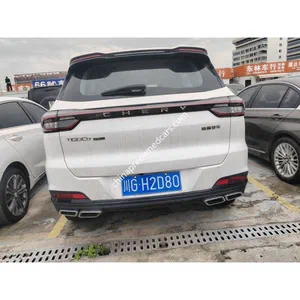
For specific markets, understanding local regulations is crucial. Many vehicles in the current inventory, such as the BYD Atto 3 and Chery Tiggo 8 Pro, are left-hand drive, making them suitable for countries that follow this configuration. Buyers should verify current emission standards and any age limits that may apply to their chosen vehicles, as these can vary significantly. Consulting with local authorities or experienced importers can provide clarity on these requirements.
Before making a purchase, buyers should conduct a thorough inspection of the vehicle’s condition, including checking the battery health in electric models like the Geely Coolray. Common failure points to inspect include the suspension system, electrical components, and overall wear and tear. Moreover, understanding payment terms and after-sales support options can significantly enhance the buying experience. Buyers are encouraged to clarify these terms upfront to ensure a successful transaction.
FAQ
Q: What is included in a pre-shipment inspection?
A: A pre-shipment inspection typically includes checks on the vehicle’s mechanical condition, exterior and interior quality, and compliance with local emission standards.
Q: How long does shipping usually take?
A: Shipping lead times can vary, but typically, it ranges from a couple of weeks to over a month depending on the shipping method and destination.
Q: What documents are required for exporting a vehicle?
A: Essential documents include customs declarations, a bill of lading, and a certificate of origin, all of which facilitate the customs clearance process.