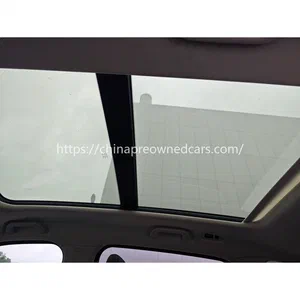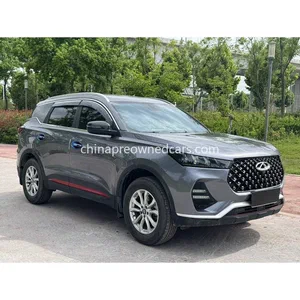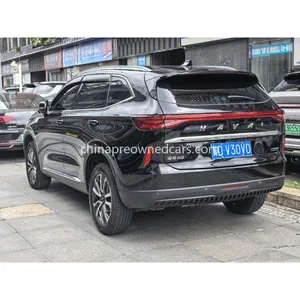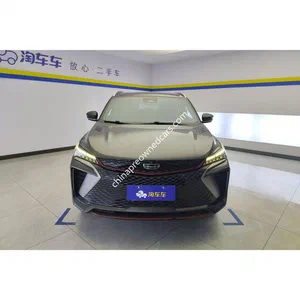
Mileage, service records and condition grades are central to assessing used Chinese SUVs before export. A vehicle’s warranty value depends on what its inspection can establish, what its maintenance history supports and which defects remain outside the seller’s responsibility. For buyers importing vehicles into Ghana, Nigeria, Kenya, Uganda and Tanzania, these checks should also reflect local road and climate conditions.
How Used SUVs Are Graded Before Export
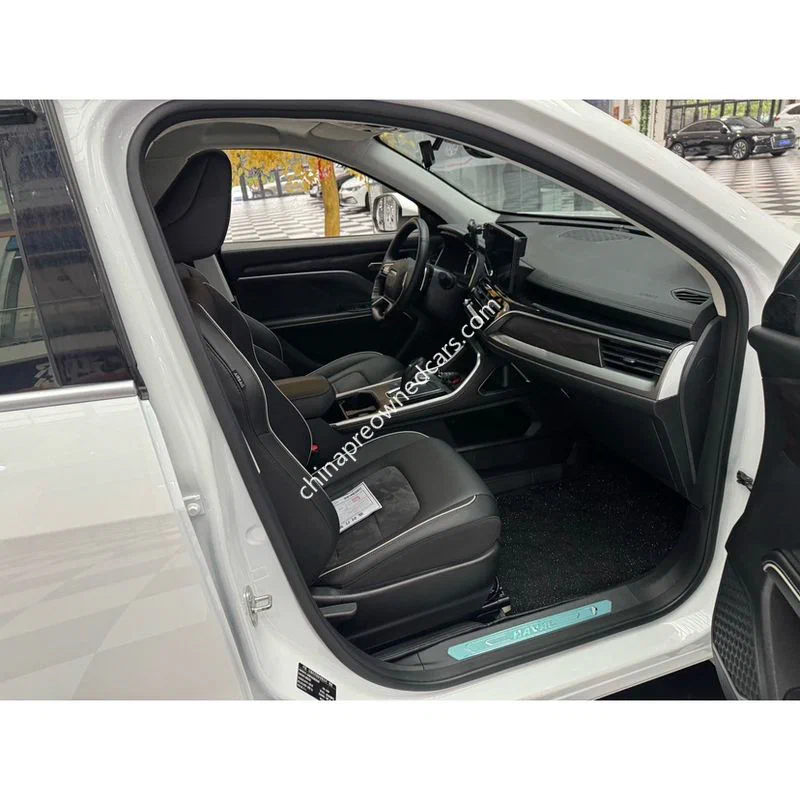
A used vehicle condition grade should describe more than its exterior appearance. A practical assessment considers four areas: cosmetic condition, mechanical health, recorded mileage and service history. Cosmetic grading covers paintwork, dents, scratches, interior wear, glass and visible signs of previous repairs. Mechanical assessment examines the engine or electric drive system, transmission, suspension, steering, braking and electrical equipment.
Mileage bands help buyers compare vehicles of similar age and use, but mileage alone does not establish condition. A higher-mileage SUV with documented maintenance may be a more sensible purchase than a lower-mileage vehicle with missing records. The odometer reading should be checked against available service invoices, inspection records and vehicle history information. VIN verification is also important when matching documents to the actual vehicle.

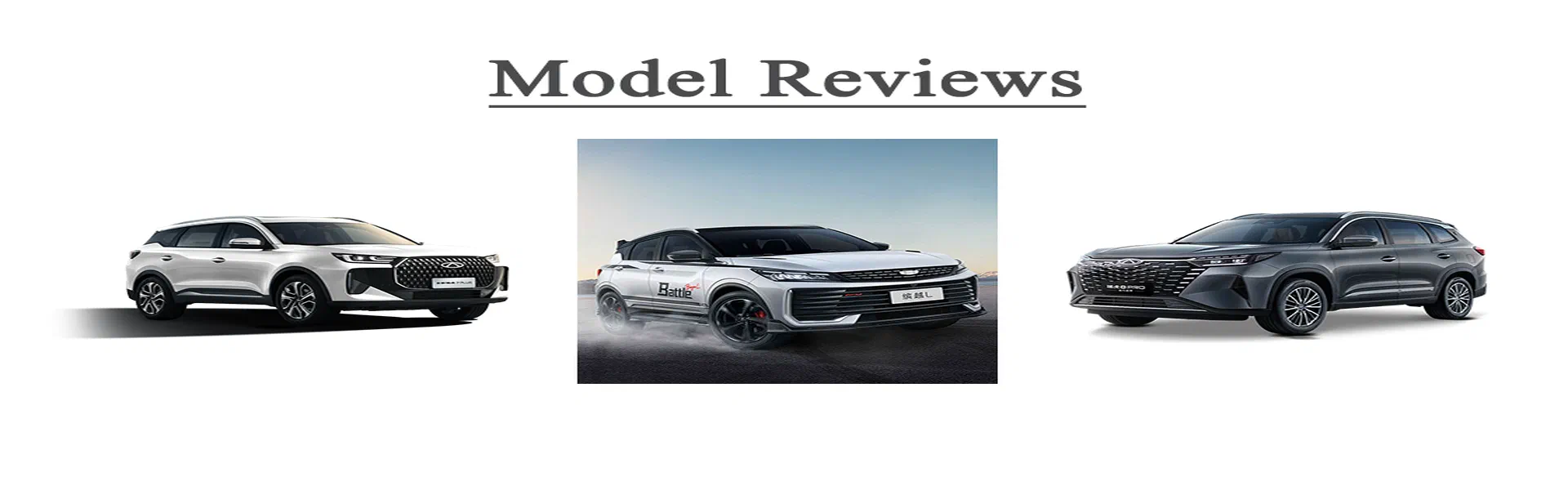
For Chinese models such as the BYD Atto 3, Chery Tiggo 7 Plus, Chery Tiggo 8 Pro, Geely Coolray and Haval H6, the assessment should reflect the vehicle’s powertrain. Electric vehicles require battery diagnostics, while petrol-powered models need engine and transmission checks. A condition grade is an assessment at a particular point in time, not a guarantee of future performance.
What Inspection Covers and What It Cannot Guarantee
A proper pre-shipment inspection should include a road test where practical, diagnostic scanning and examination of major mechanical and electrical systems. Inspectors should check for warning lights, fluid leaks, abnormal noises, uneven tyre wear, suspension damage, brake condition and evidence of accident repairs. Air conditioning deserves particular attention for vehicles intended for hot climates. Buyers should confirm that the system cools consistently rather than relying on a dashboard display or a brief demonstration.
For the BYD Atto 3, battery state of health, charging performance, fault codes and available battery history deserve specific attention. For the Tiggo 7 Plus, Tiggo 8 Pro, Coolray and H6, checks should cover engine operation, cooling systems, transmission behaviour and suspension components. Ground clearance and underbody condition also matter on uneven African roads. Buyers should compare actual vehicle specifications rather than assume every model or trim has the same clearance.
Inspection has limits. It cannot reliably predict every future mechanical failure, identify every concealed repair or establish the complete ownership history without supporting records. A diagnostic scan also cannot replace physical examination. Buyers should request dated photographs, inspection findings, odometer evidence and, for electric vehicles, a battery health report where available.
Export-Grade Condition and Warranty Considerations
Terms such as export-grade and dealer-grade are not universal technical certifications. Their meaning depends on the exporter’s grading criteria and the written condition report. An export-grade vehicle should have its visible defects disclosed, major systems inspected and documentation checked before shipment. The term should never be treated as proof that a vehicle is defect-free.
A dealership warranty for used cars is not automatically equivalent to an export warranty. Buyers should establish whether coverage applies after the vehicle reaches its destination, which components are included, how long coverage lasts and who pays for diagnosis, labour and replacement parts. Cross-border claims can be difficult when the seller and vehicle are in different countries.
Before payment, buyers should pay particular attention to inconsistent mileage records, fresh paint covering possible accident damage, structural repairs, corrosion underneath the vehicle, persistent warning lights and incomplete maintenance documentation. For EVs, unexplained battery degradation or charging faults require further investigation. Parts availability should also be checked locally, especially for electronic modules, suspension components and model-specific body parts.
An inspection report, photographs and written warranty terms provide a stronger basis for a transaction than a verbal condition description. Chinese export procedures also require appropriate export licensing, customs declaration and pre-shipment inspection. The vehicle may travel by RoRo or container, but shipping arrangements do not extend its mechanical warranty. Buyers should retain the VIN, purchase documentation, inspection report and shipping records for reference after arrival.
FAQ
Q: Does low mileage mean a used SUV is in better condition?
A: Not necessarily. Mileage should be assessed alongside service records, mechanical inspection findings and evidence of previous repairs.
Q: What should buyers check on a used BYD Atto 3 before export?
A: Buyers should request battery state-of-health information, charging-system checks, diagnostic results and available maintenance records. Battery transport and destination-market requirements should also be confirmed.
Q: Does an export-grade vehicle come with a warranty?
A: Not automatically. Warranty coverage, exclusions, duration and overseas claim arrangements must be stated in writing by the seller.