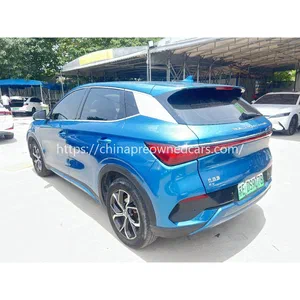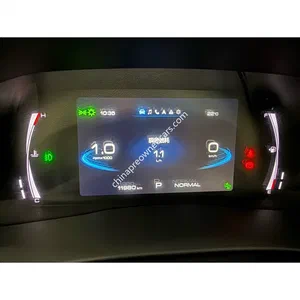

Exporting electric and hybrid vehicles requires careful consideration of various technical and regulatory aspects. Buyers interested in sourcing used electric vehicles for markets in Africa, such as Ghana, Nigeria, Kenya, Uganda, and Tanzania, should pay particular attention to battery health, charging standards, and local infrastructure. This article outlines key considerations for exporting vehicles like the BYD Atto 3 and Chery Tiggo 8 Pro, focusing on their suitability for these markets.
Battery state-of-health is crucial when assessing used electric vehicles. A thorough evaluation, including a battery capacity test, can reveal the current performance and longevity of the battery. Countries like Nigeria and Ghana may have varying acceptance of battery specifications, so understanding local preferences for battery technology—such as GB/T or CCS charging standards—is essential. Some markets may lack the infrastructure to support certain charging connectors, impacting the vehicle’s usability post-import.
Additionally, compliance with battery transport regulations is necessary. Used electric vehicles fall under UN 3480 guidelines for dangerous goods due to their lithium-ion batteries. Exporters must ensure that proper documentation is in place to facilitate safe transport. Buyers should verify that all necessary pre-shipment inspections are conducted, ensuring adherence to safety and regulatory standards before export.
When considering the resale potential of electric vehicles, it’s important to understand how battery degradation affects market value. Range and battery performance can significantly influence resale prices. Buyers should check the vehicle’s mileage and battery history to evaluate its potential depreciation. A vehicle with a well-maintained battery and lower degradation is more likely to retain value, making it a more attractive option for resale in destination markets.
The availability of charging infrastructure is another critical factor for electric vehicle exports. Many African countries are still developing their charging networks. Before purchasing, buyers should research local charging options and ensure that the vehicle aligns with available service stations. This can impact the practicality of using the vehicle in daily operations, particularly in regions with limited charging facilities.

Regarding vehicle specifications, models like the Geely Coolray and Haval H6 are noted for their reliability on rough terrain, which is common in many African regions. It is advisable to check for ground clearance and climate control features to ensure comfort and performance under local conditions. Additionally, understanding common failure points in these models can inform buyers about necessary inspections or replacements.
Finally, payment terms and documentation are vital aspects of the export process. Buyers should confirm payment methods and timelines, as well as ensure all required export documentation is prepared in advance. This includes customs clearance papers and export licenses, which vary by destination country. Effective communication with the exporter can help streamline this process.
FAQ
Q: What should I check regarding battery health before purchasing an electric vehicle?
A: Buyers should look for a battery capacity test report and verify the vehicle’s battery history to assess its condition.
Q: How do charging standards affect my vehicle choice?
A: Different markets accept various charging standards, so understanding local infrastructure and compatibility with charging connectors is crucial.
Q: What are the key documents needed for exporting vehicles to Africa?
A: Essential documents include customs clearance papers, export licenses, and any required pre-shipment inspection reports.