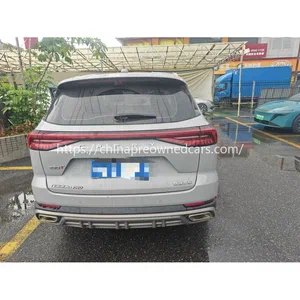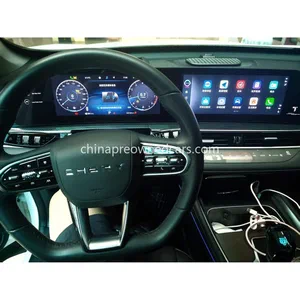

A manual-transmission used car requires a different inspection approach from an automatic, particularly when the vehicle will be exported from China to an African market. Buyers should assess the gearbox, clutch, service records, mileage, and accident history before committing to a purchase. For Chinese SUVs, ground clearance, cooling performance, local parts support, and export documentation also affect whether a vehicle is practical to operate after arrival.
1. Check the transmission, mileage, and service history
Start by confirming that the vehicle actually has a manual gearbox. The Chinese used SUV inventory covered by this exporter includes the BYD Atto 3, Chery Tiggo 7 Plus, Chery Tiggo 8 Pro, Geely Coolray, and Haval H6, but these models and their available configurations should not be assumed to have manual transmissions. Buyers searching for the best used car manual transmission should verify the exact model year, engine, gearbox type, and specification against the vehicle identification number (VIN) and original records.
For a manual vehicle, inspect clutch engagement, gear selection, and transmission noise. During a road test, check for clutch slip under acceleration, difficulty selecting first or reverse gear, grinding during shifts, and vibration when moving off. These symptoms can indicate wear or a mechanical fault. A worn clutch may require replacement, while internal gearbox damage can be more expensive to repair. Request a cold-start demonstration and a road test where possible.
Mileage is useful, but it does not establish condition on its own. Compare the odometer reading with service invoices, maintenance records, inspection photographs, and available electronic diagnostic data. Look for unexplained gaps or inconsistencies. A vehicle with higher mileage and documented maintenance may be a better purchase than one with a low reading and no supporting history. Any discrepancy should be resolved before payment.
2. Review condition and suitability for African roads
Ground clearance matters on uneven roads, speed humps, and access routes that become difficult during the rainy season. Inspect the underside for scraping, damaged suspension components, leaking dampers, and bent protective panels. Check tyre wear across the tread, wheel alignment, steering response, and suspension noises over uneven surfaces. The SUV body style alone does not establish off-road capability; tyre specification, drivetrain, ride height, and underbody condition all affect performance.
Cabin cooling also deserves attention in Ghana, Nigeria, Kenya, Uganda, and Tanzania. Run the air conditioning long enough to assess cooling at idle and during driving. Check the blower at every speed, inspect for unusual compressor noise, and confirm that the system does not lose cooling during a longer test. Examine the radiator, cooling fans, hoses, and coolant for leaks or signs of overheating. Heat and heavy traffic can expose weaknesses that a brief inspection misses.
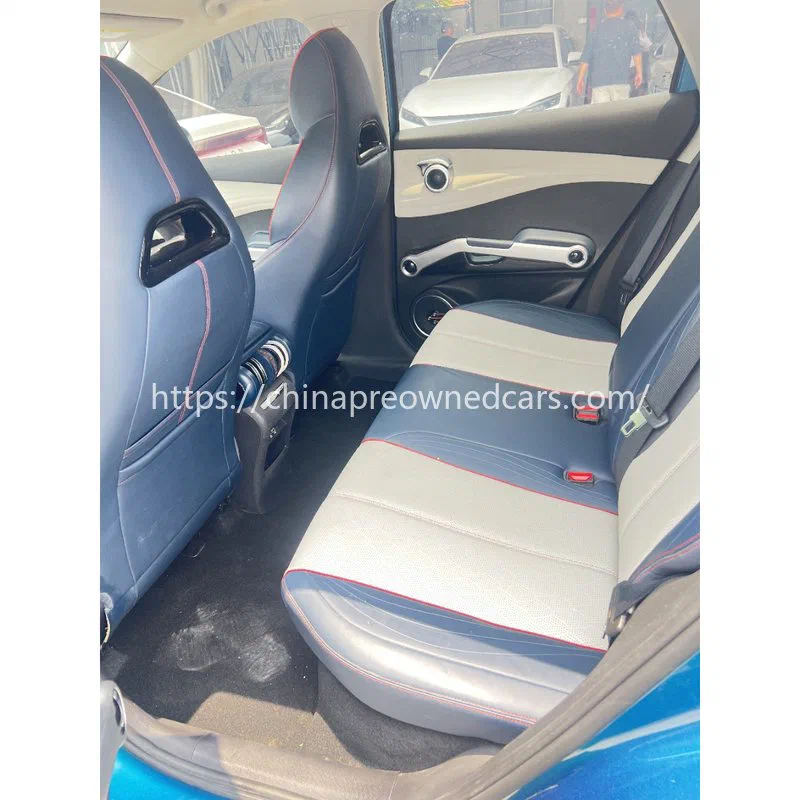
For the listed Chinese SUVs, condition should be assessed individually rather than inferred from the model name. Check the Chery Tiggo 7 Plus and Tiggo 8 Pro for suspension wear, electronic warning lights, cooling faults, and evidence of previous collision repairs. On the Geely Coolray and Haval H6, examine the same systems alongside gearbox behaviour and the operation of driver-assistance features. The BYD Atto 3 is an electric vehicle, so its inspection must include battery condition and charging performance rather than a conventional engine and clutch assessment. These are inspection priorities, not claims that every model has a particular recurring defect.
Parts availability can determine the long-term cost of ownership. Before selecting a vehicle, ask local workshops or parts suppliers whether they can source suspension components, filters, brake parts, body panels, electronic modules, and model-specific diagnostic equipment. Confirm that the exact model and powertrain are supported. A vehicle may be mechanically sound yet difficult to maintain if essential components must be imported individually.
3. Verify identity, inspection records, and export paperwork
VIN verification should come before the final purchase decision. Compare the VIN stamped on the vehicle with the identification plate, registration documents, and export paperwork. Look for disturbed fasteners, altered markings, inconsistent characters, or evidence of panel replacement around identification points. Request an available vehicle history check and confirm ownership and export eligibility through the appropriate channels. A matching VIN is necessary, but it does not by itself prove that a vehicle has never been in an accident.
Ask for a dated pre-shipment inspection report with photographs and clear findings. It should identify the vehicle, record the odometer reading, describe visible damage, and document the operation of key systems. For an electric vehicle, request a battery state-of-health assessment, diagnostic fault information, charging test results, and details of any battery repairs if available. Battery state of health is not the same as the dashboard’s indicated driving range. Neither should be treated as a guarantee of future performance.
The exporter should explain the required documentation and which party is responsible for each step. Relevant records typically include the export licence or applicable export authorisation, commercial invoice, sales contract, vehicle identification details, customs declaration and clearance documents, and shipping documentation. Requirements depend on the transaction and destination. Buyers should also obtain written confirmation of the vehicle specification, agreed condition, included accessories, and remedies if material discrepancies are discovered before shipment.
4. Assess the exporter, payment terms, and shipping risks
An exporter should be able to explain how the vehicle was sourced, what checks have been completed, and how discrepancies are handled. Verify the company’s legal identity, business contact details, contract entity, and payment beneficiary. Request recent examples of inspection documentation with sensitive customer information removed. Clear answers matter more than broad claims about quality. Be cautious if the seller refuses independent inspection, pressures the buyer to pay immediately, or will not document the agreed vehicle condition.
Payment arrangements should be agreed in a signed contract. Buyers commonly encounter deposits followed by a balance payment tied to a documented milestone, but the exact terms vary by exporter and transaction. Specify when funds become due, what evidence is required before the balance is released, who pays bank charges, and what happens if inspection reveals a material defect. Avoid transferring money to an unrelated personal account without a verified contractual explanation. Confirm the refund and cancellation provisions before sending a deposit.
Shipping method affects cost, handling, and cargo protection. Roll-on/roll-off (RoRo) shipping is generally suited to operable vehicles moved onto and off a vessel, while container shipping places the vehicle inside a container and may offer different protection and loading options. Obtain a written quotation covering ocean freight, port charges, documentation, insurance where applicable, and destination handling. Ask for the expected shipping schedule, but distinguish an estimated transit period from a confirmed vessel departure or arrival date.
Before shipment, confirm the current import rules for the destination country, including vehicle age restrictions, emissions requirements where applicable, roadworthiness standards, and left-hand-drive eligibility. Most Chinese domestic vehicles are left-hand drive, which makes this check essential. Buyers in Ghana, Nigeria, Kenya, Uganda, and Tanzania should verify the latest rules with the relevant authorities or a qualified local clearing agent. For electric vehicles, also confirm battery transport arrangements and local charging compatibility. Written after-sales support should identify who handles shipping damage claims, missing documents, and questions about sourcing replacement parts after delivery.

FAQ
Q: Is a manual transmission SUV always cheaper to maintain than an automatic?
A: Not necessarily. Clutch wear and gearbox repairs can be costly, while the maintenance requirements of an automatic depend on its design, condition, and service history.
Q: What should an African buyer request before a used Chinese vehicle is shipped?
A: Request the inspection report, VIN and vehicle history checks where available, service records, agreed vehicle specification, and applicable export and customs documentation. Confirm the destination’s current import rules and obtain written shipping and payment terms before releasing the final balance.