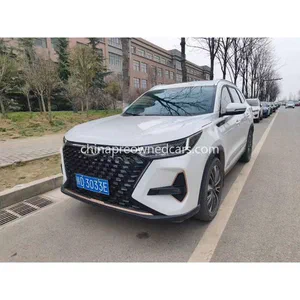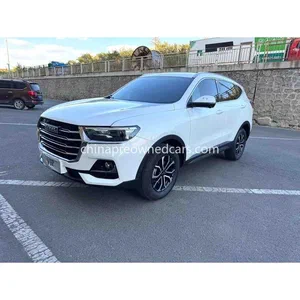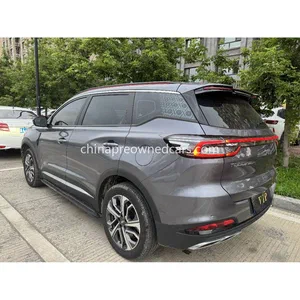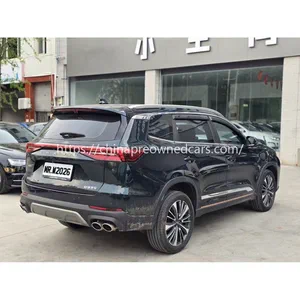
Chinese used EV and SUV exports from China involve more than vehicle selection. This page reviews how models move through inspection, documentation, shipping, and port procedures before reaching overseas markets. It also covers practical checks for buyers considering Chinese used SUVs for African roads.
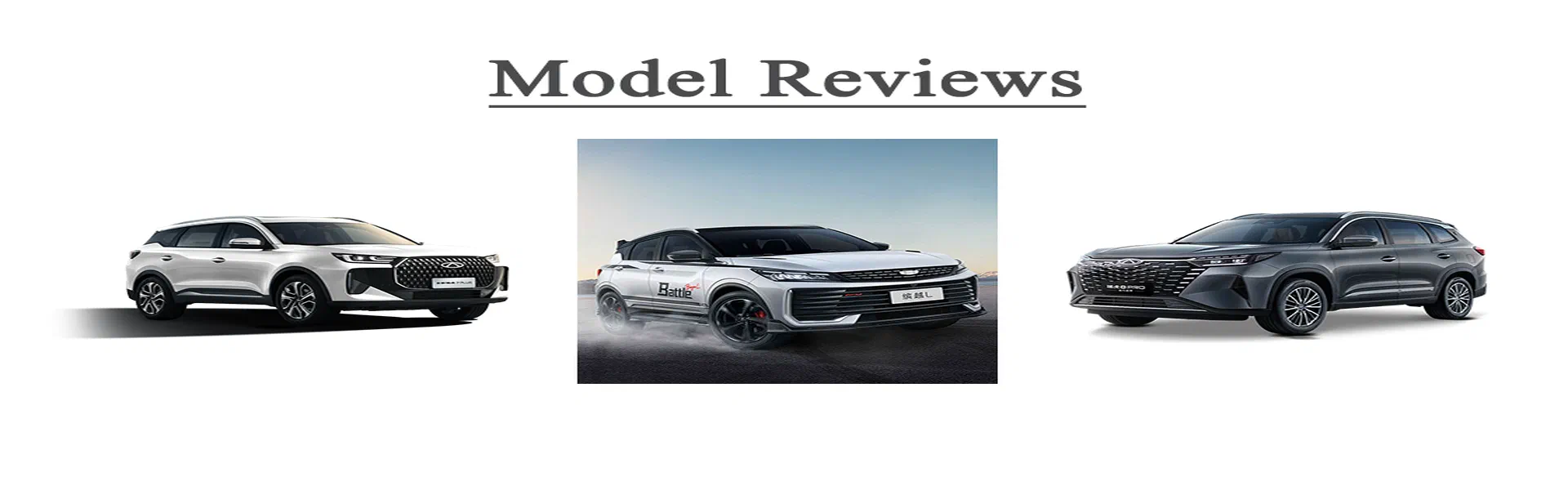
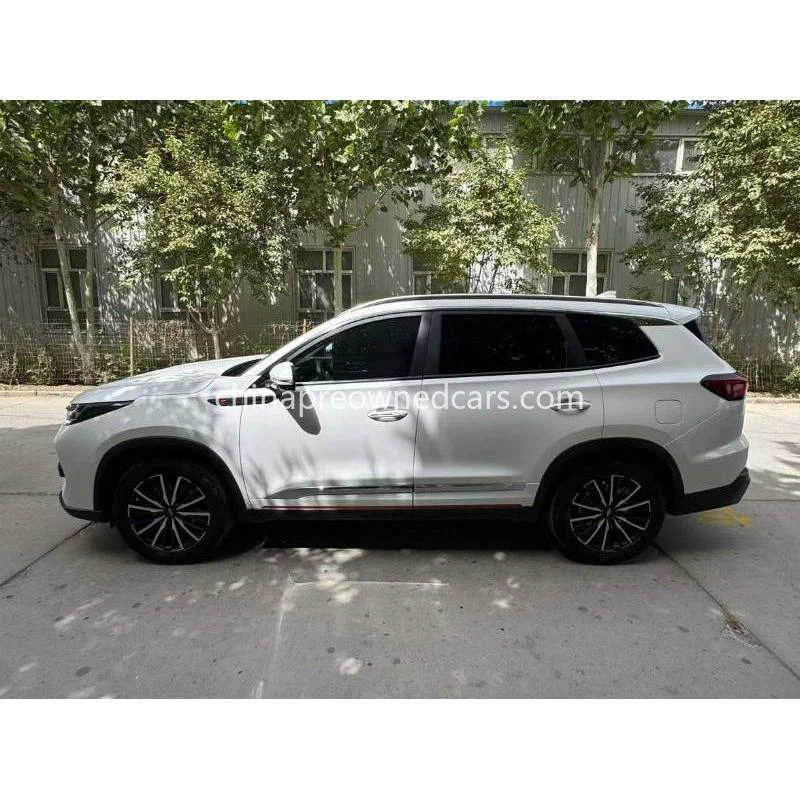
The export workflow starts with vehicle sourcing and pre-shipment inspection. Models such as BYD Atto 3, Chery Tiggo 7 Plus, Chery Tiggo 8 Pro, Geely Coolray, and Haval H6 are commonly evaluated for body condition, service records, mileage information, electrical systems, and previous usage. For electric vehicles, inspectors pay close attention to battery state of health, charging functions, battery management system records, and any signs of impact or water damage. A lower purchase cost, sometimes associated with searches for the cheapest used ev, does not remove the need for technical verification.
Inspection and export preparation
Before shipment, the exporter arranges checks required for export procedures. The inspection process normally includes exterior condition, tires, brakes, suspension components, engine or electric drive systems, interior functions, lights, air conditioning, and safety-related equipment. For EVs, battery condition is a key item because battery performance directly affects operating range and future maintenance planning.
Documentation preparation follows inspection approval. Chinese used vehicle exports require an export license, customs declaration, and other trade documents. Common documents include the bill of lading for sea transport and a certificate of origin where required by the destination process. Buyers should confirm the exact document package needed for Ghana, Nigeria, Kenya, Uganda, or Tanzania because import procedures differ between markets.
Shipping method affects both cost structure and vehicle handling. RoRo shipping is often used when vehicles can be driven directly onto a vessel. It can reduce handling steps and may suit larger vehicle movements, but available routes depend on port schedules and carrier arrangements. Container shipping provides additional protection from weather and handling exposure, and it may be preferred for higher-value vehicles or shipments requiring tighter cargo control.
After arrival at the destination port, vehicles go through local customs clearance and release procedures. Importers need to prepare according to their country’s requirements, including possible rules related to vehicle age, emissions, roadworthiness, and drive side. Most Chinese domestic vehicles are left-hand drive, so buyers in markets with right-hand-drive requirements need to confirm compatibility before purchase or request sourcing of suitable vehicles.
Model suitability for African roads
The BYD Atto 3 is an electric SUV designed for urban and mixed-road use. Its battery system and cabin climate control are important factors in hot regions, but buyers should verify battery condition before export. Charging infrastructure varies across African markets, so operating plans should consider available charging options. Common inspection points include battery health records, charging port condition, suspension wear, and underbody damage.
Chery Tiggo 7 Plus and Chery Tiggo 8 Pro provide SUV layouts with more passenger and cargo space. Their higher ride height can be useful on uneven roads, while inspection should focus on suspension components, cooling systems, air conditioning performance, and electronic features. Geely Coolray offers a smaller SUV format that may suit buyers looking for easier urban operation, but ground clearance, tire condition, and service availability should still be checked for local conditions.
Haval H6 is another SUV option often considered for markets requiring practical space and road versatility. Buyers should review maintenance history, drivetrain condition, and replacement parts access before purchase. Availability of service knowledge and parts channels in destination markets can influence long-term ownership costs, especially for newer Chinese brands where local support networks may vary.
Port handling and buyer verification
Lead times depend on vessel schedules, port operations, documentation readiness, and destination clearance procedures. Sea transport may take a typical range of several weeks, but the exact timing changes by route and shipping conditions. Exporters usually coordinate inspection, customs declaration, loading, and shipping documents, while buyers should confirm responsibilities under the agreed payment and delivery terms.
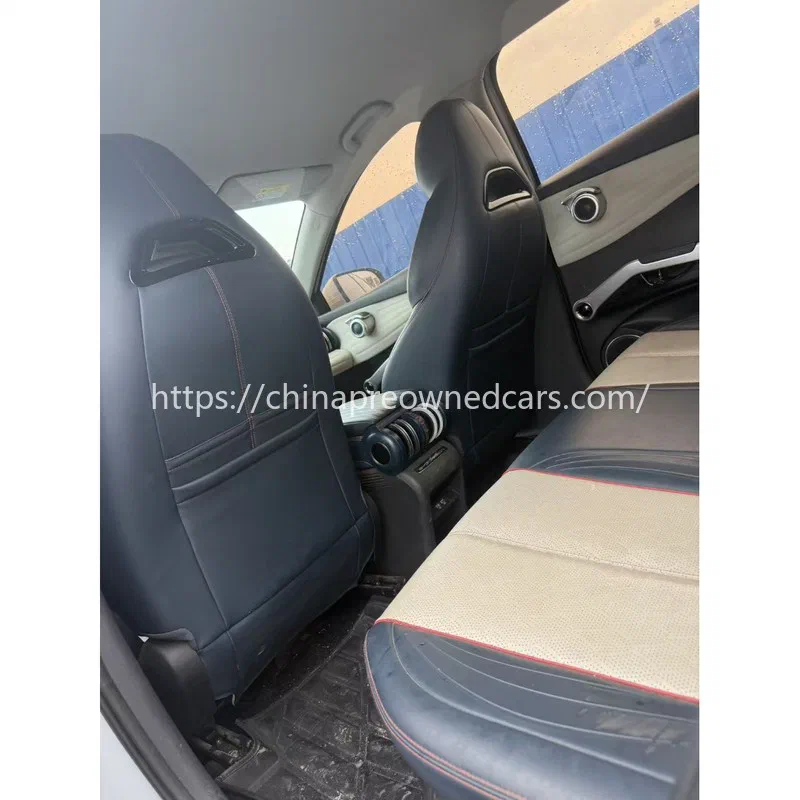
A careful purchase decision depends on verification before payment. Buyers should request vehicle identification details, inspection information, battery assessment for EVs, photos or videos of the vehicle condition, and export documentation plans. They should also confirm after-sales support arrangements and whether replacement parts or technical assistance are available in the destination market.

For Ghana, Nigeria, Kenya, Uganda, and Tanzania, import requirements can change over time. Vehicle age limits, emission standards, registration rules, and acceptable drive configurations should be checked with local authorities or customs representatives before shipment. A structured export process reduces avoidable delays and helps match Chinese used SUVs with the operating conditions of each market.
FAQ
Q: What documents are normally needed when exporting used vehicles from China?
A: Used vehicle exports usually involve export licensing, customs declaration, shipping documents such as a bill of lading, and origin documents where required. The final document list depends on the destination country’s import process.
Q: What should buyers check before importing a used Chinese EV?
A: Buyers should verify battery state of health, vehicle history, inspection records, charging system condition, and compatibility with local import rules. Drive side, emissions requirements, and charging availability should also be confirmed before shipment.