The journey of a used vehicle from China to an overseas buyer involves more than arranging a vessel and booking port space. For African importers, the process includes vehicle inspection, export documentation, customs clearance and shipping arrangements. The condition and suitability of the selected SUV also matter, particularly when it will be driven on rough roads and in hot climates.
Vehicle Selection and Pre-Shipment Inspection
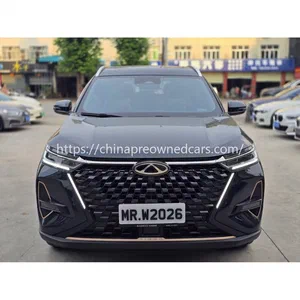
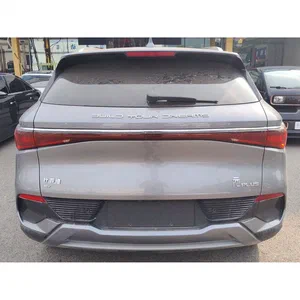
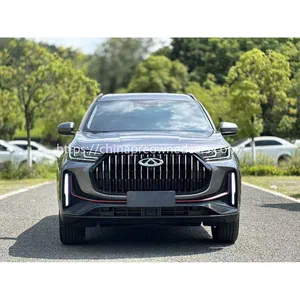
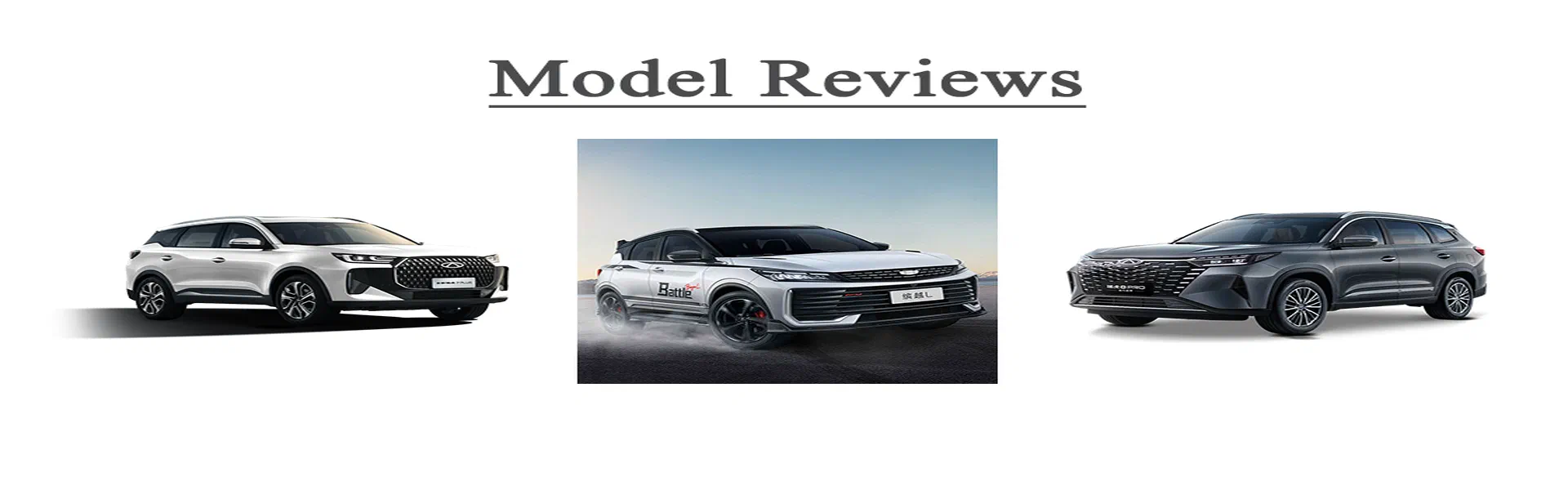
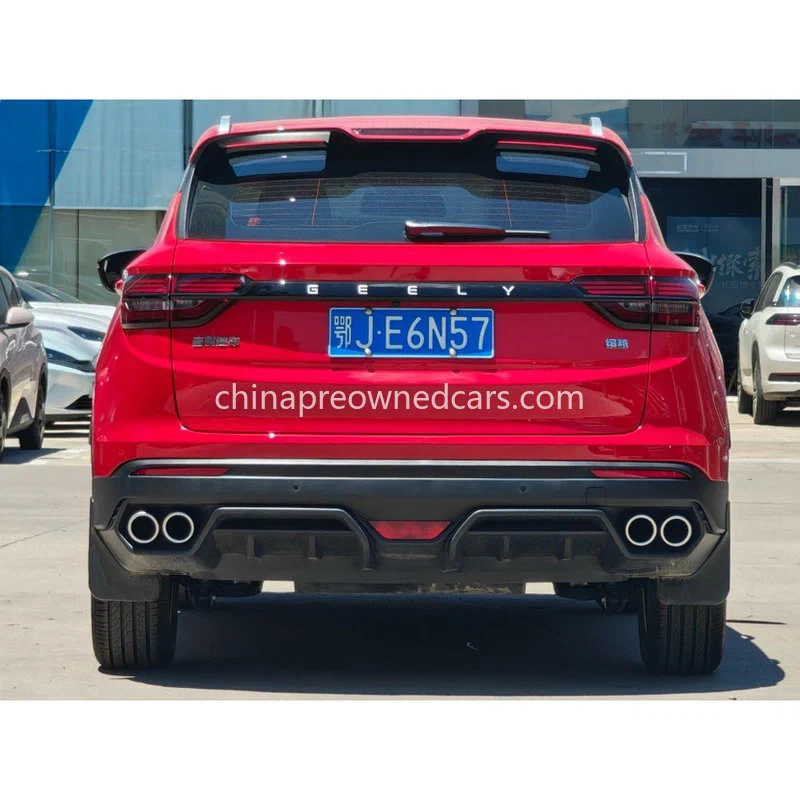
Chinese SUVs offer several options for African buyers. The BYD Atto 3 is an electric SUV, while the Chery Tiggo 7 Plus, Chery Tiggo 8 Pro, Geely Coolray and Haval H6 provide petrol or hybrid configurations depending on the specific version. Ground clearance, suspension condition and cooling performance deserve attention before selecting a vehicle. Poor road surfaces can expose worn bushings, damaged underbody components and suspension noise that may not be obvious during a short road test.
Cabin air conditioning is another priority in Ghana, Nigeria, Kenya, Uganda and Tanzania. Buyers should request checks of compressor operation, cooling performance and electrical controls. For the BYD Atto 3, battery state of health, charging function and diagnostic records require additional examination. Petrol models need checks of engine operation, transmission response, cooling systems and evidence of oil leaks. Parts availability should also be investigated locally, since support for newer Chinese models varies between markets.
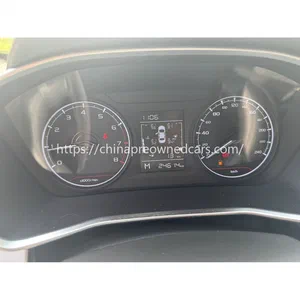
A pre-shipment inspection establishes the vehicle’s recorded condition before departure. Inspectors should verify the VIN, odometer reading, body panels, paintwork, tyres, brakes, suspension, lights and interior controls. A diagnostic scan can identify stored electronic faults. The inspection report should include photographs and disclose existing damage rather than treating the vehicle as fault-free. Any certification required for export or destination-country registration must be confirmed separately; an inspection report does not automatically satisfy every import requirement.

Export Documentation, Shipping and Port Handling
Once the vehicle passes the agreed inspection, the exporter arranges the export process. China’s used vehicle exports require the appropriate export licensing, customs declaration and pre-shipment inspection procedures. The document package commonly includes the commercial invoice, sales contract, export customs declaration, vehicle ownership or registration documents, certificate of origin and shipping bill of lading. Requirements can differ according to the destination and transaction structure. The importer should check document names and legalization requirements before shipment.
Shipping usually follows one of two routes. Roll-on/roll-off (RoRo) transport suits operable vehicles that can be driven onto and off the vessel. It generally avoids the additional work of container loading, although vehicles remain exposed to port handling and vessel environments. Container shipping provides enclosed transport and can reduce exposure to weather and incidental contact. However, loading, securing and unloading require careful handling. The choice depends on vessel availability, route, vehicle dimensions and the buyer’s budget.
After customs export clearance, the vehicle moves to the departure port for terminal acceptance and vessel loading. Port handling includes document checks, vehicle identification and loading arrangements. Once the vessel departs, the bill of lading records the shipment and supports cargo release at destination. Buyers should distinguish preparation time, port waiting time and ocean transit time when assessing the shipping schedule. Delays can arise from customs review, vessel changes and port congestion. Second hand cars low price should therefore be evaluated against the full landed cost, including freight, insurance where applicable, destination duties, clearance charges and inland transport.
FAQ
Q: What documents should accompany a used car exported from China?
A: Common documents include the commercial invoice, sales contract, customs declaration, certificate of origin and bill of lading. Additional documents may be required by the destination country’s authorities.
Q: Is RoRo or container shipping better for African buyers?
A: RoRo is often suitable for operable vehicles and can reduce loading costs. Containers provide enclosed transport but require additional loading and securing arrangements.
Q: What should buyers check before importing a Chinese SUV?
A: Verify the VIN, inspection report, mechanical condition, service history and, for electric vehicles, battery health. Confirm current import rules, vehicle age restrictions, emission requirements and left-hand-drive acceptance before payment and shipment.