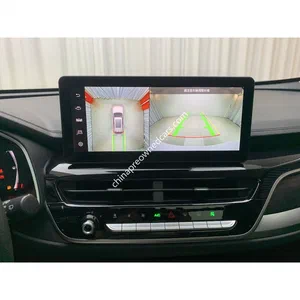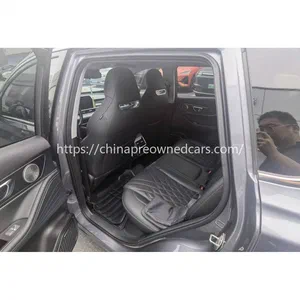

Used vehicle condition assessment should establish more than a clean exterior or a low odometer reading. For export buyers considering Chinese SUVs for Ghana, Nigeria, Kenya, Uganda and Tanzania, the key checks are mechanical condition, service records, mileage consistency and suitability for local roads and climate. Inspection findings should be documented before payment and shipment.
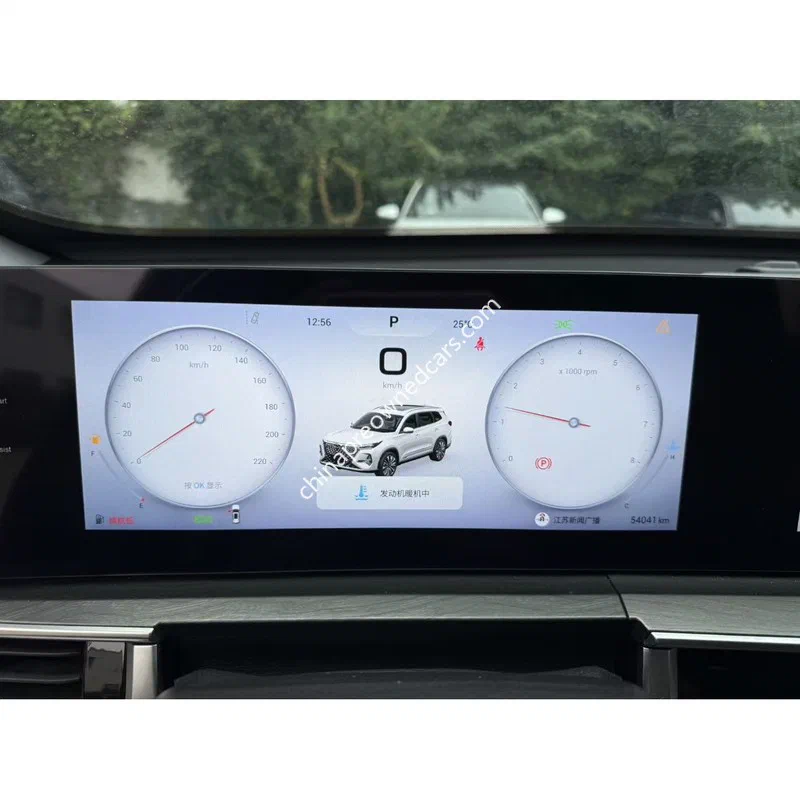
Condition grading usually separates cosmetic appearance from mechanical health. An exterior grade may describe paint, dents, scratches, glass and interior wear, while a mechanical assessment covers the engine, transmission, suspension, brakes, steering and electrical systems. Mileage bands help compare vehicles, but lower mileage does not automatically mean less wear. Check the odometer against service invoices, inspection records and visible wear on the pedals, steering wheel and seats. Missing records create uncertainty, not proof of poor maintenance. Buyers researching what are good used cars should compare documented condition and likely repair needs rather than relying on model reputation alone.
For African road conditions, the BYD Atto 3, Chery Tiggo 7 Plus, Chery Tiggo 8 Pro, Geely Coolray and Haval H6 each require model-specific checks. Inspect ground clearance, underbody damage, suspension joints, shock absorbers, tyres and cooling performance. Air conditioning should be tested under sustained operation, particularly for vehicles destined for hot regions. On the Haval H6 and Geely Coolray, check transmission behaviour, warning lights and electronic functions during a road test. For the Chery Tiggo models, inspect the cooling system, suspension and transmission response. For the electric BYD Atto 3, request a battery state-of-health report and test charging, range indicators and battery-system warnings. These are inspection priorities, not claims that every model has a particular fault. Parts availability should also be confirmed locally before selecting a vehicle.
An export-grade or dealer-grade label has little value without defined criteria and supporting evidence. Request dated photographs, the VIN, an itemised inspection report, diagnostic fault codes where available, service invoices and a cold-start or road-test video. A pre-shipment inspection can identify visible damage and test accessible systems, but it cannot guarantee future reliability or reveal every intermittent fault, concealed repair or undocumented accident. Watch for mismatched paint, uneven panel gaps, structural repairs, fluid leaks, overheating, abnormal transmission shifts and unexplained dashboard warnings. Exporters must also arrange the required export licensing, customs declaration and inspection procedures. Before shipment, confirm destination rules on vehicle age, emissions, roadworthiness and drive side; most Chinese domestic vehicles are left-hand drive. Agree in writing on payment milestones, inspection access, shipping method and after-sales responsibilities.

FAQ
Q: Does low mileage prove that a used car is in good condition?
A: No. Compare the odometer reading with service records, wear indicators and diagnostic findings to assess consistency.
Q: What should buyers request before exporting a used SUV from China?
A: Request the VIN, dated photographs, an itemised inspection report, available service records and relevant diagnostic results. Confirm export documentation and destination import requirements before committing to shipment.
Q: Which condition checks matter most for used electric SUVs?
A: Check battery state of health, charging operation, warning codes, underbody condition and available service history. Battery condition and transport requirements need separate attention because they differ from those of combustion-engine vehicles.