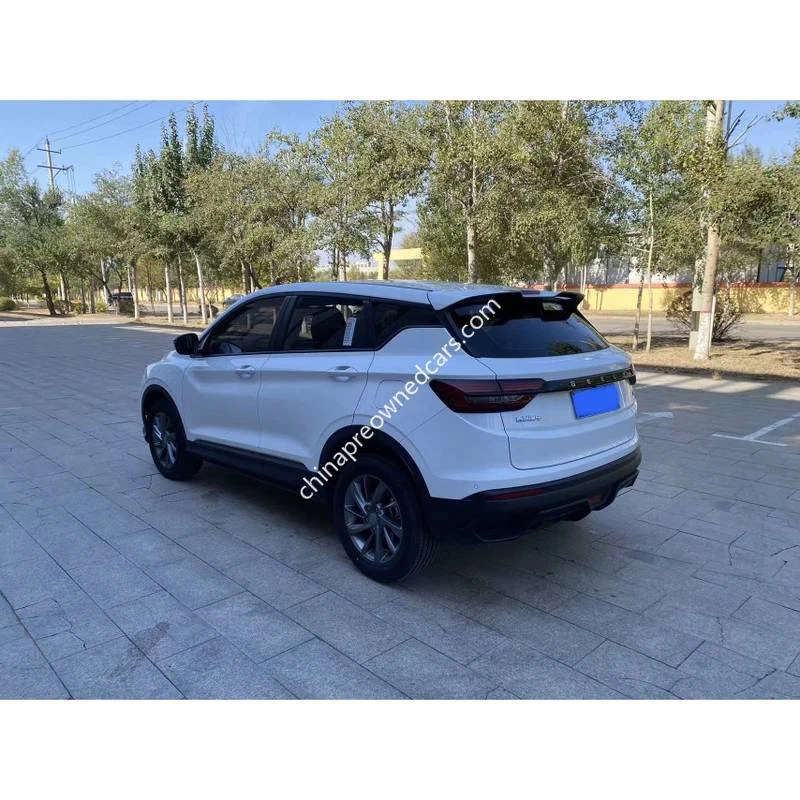
Exporting electric and hybrid vehicles brings unique considerations that impact their pricing and resale value in different markets. Battery state-of-health is crucial for assessing a vehicle’s worth, particularly in regions where electric vehicle adoption is growing. Buyers should be aware of charging connector standards accepted in their target markets, as these can vary significantly. For instance, while the GB/T standard is prevalent in China, CCS and CHAdeMO connectors might be required in countries like Ghana or Kenya. Ensuring compatibility with local charging infrastructure is essential for maximizing resale potential.
When sourcing electric vehicles such as the BYD Atto 3 or Chery Tiggo 8 Pro, it’s necessary to verify the battery’s health status. Buyers should request detailed reports on the battery’s performance, including its state of charge and degradation level. Battery transport regulations also play a role in the export process; UN 3480 guidelines classify lithium-ion batteries as dangerous goods, requiring specific handling and packaging during shipping. This can affect shipping costs and lead times, which typically range from 15 to 25 days depending on the method chosen—either RoRo or container shipping.
In African markets, vehicle age limits and emission standards can influence the importability of these electric and hybrid vehicles. While most of the inventory is left-hand drive, buyers should confirm the suitability of the vehicle for their specific destination’s regulations. For example, some countries may have restrictions on the age of imported electric vehicles or specific emissions requirements that must be met. It is advisable to stay updated on local regulations, as these can change and vary from one country to another.
Practical verification steps should include conducting a thorough pre-purchase inspection, focusing on the vehicle’s overall condition, battery performance, and any potential common failure points. The reliability track record of models like the Geely Coolray and Haval H6 indicates that they are generally suited for rough terrain and varying climates, making them good candidates for export. Additionally, buyers should assess parts availability in their destination markets to ensure ease of maintenance and support after the sale.

FAQ
Q: What should I check in the battery health report before purchasing an electric vehicle?
A: Look for the battery’s state of charge, degradation level, and any history of faults or replacements.
Q: How do I know which charging standards are accepted in my market?
A: Research local regulations or consult with local dealerships to confirm the accepted charging connector types for electric vehicles.
Q: What are the common failure points to inspect in used electric vehicles?
A: Inspect the battery management system, electrical connectors, and any software updates that may be required for optimal performance.