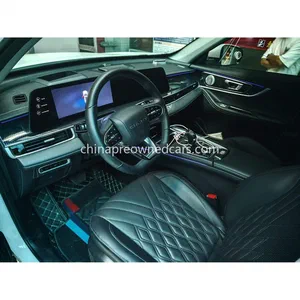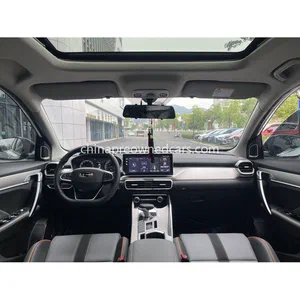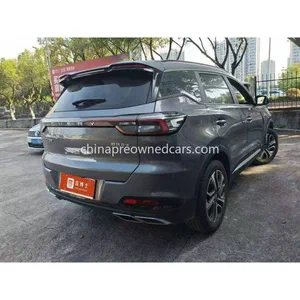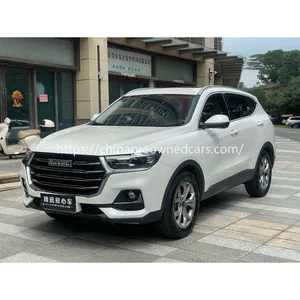
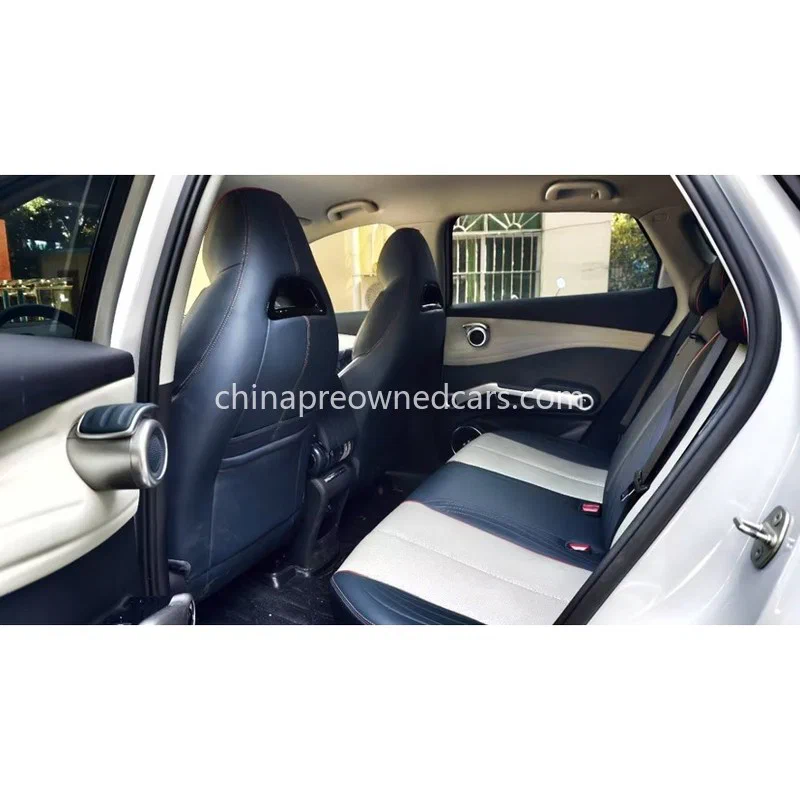
Automatic used vehicle exports from China involve more than vehicle selection. This page explains how models such as BYD Atto 3, Chery Tiggo 7 Plus, Chery Tiggo 8 Pro, Geely Coolray, and Haval H6 move through inspection, documentation, shipping, and destination preparation. The focus is on practical checks for African buyers evaluating a used car for sale automatic and the export process behind it.
Vehicle review and export preparation
Chinese SUVs selected for export are usually assessed before shipment based on condition, specifications, and suitability for local operating environments. For African roads, ground clearance is an important factor because vehicles may encounter unpaved routes, uneven surfaces, and seasonal road damage. SUVs including the Haval H6 and Chery Tiggo 8 Pro provide a larger body format suited to family and commercial use, while the BYD Atto 3 offers an electric option for markets where charging facilities are developing.
Climate control performance is another inspection point. Hot weather operation requires checks of the air conditioning system, cooling components, and electrical functions. For electric models such as the BYD Atto 3, battery condition requires separate verification because battery state of health affects driving range and long-term use. Battery records, diagnostic results, and charging history should be reviewed where available.
A vehicle condition grade should be based on inspection findings rather than assumptions. Export buyers should verify exterior condition, interior wear, maintenance records, accident history, mileage information, and key mechanical systems. Common inspection areas include suspension components, brake wear, tires, engine or motor operation, transmission response, and electronic systems. A pre-purchase inspection report from the exporter can help buyers understand the vehicle condition before shipping.
Inspection, documents, and customs process
The export workflow begins with vehicle sourcing and preparation. Chinese used vehicle exports require an export license, customs declaration, and pre-shipment inspection before shipment. The inspection process normally covers identification information, vehicle appearance, operating condition, safety-related items, and compliance documents required for export procedures. Any required certification or inspection paperwork depends on the export rules and destination market requirements.
After inspection approval, export documentation is prepared. Common documents include the commercial invoice, packing or shipping information, customs declaration documents, bill of lading, and certificate of origin where applicable. VIN verification is a key step because the vehicle identification number must match the inspection records and shipping documents. Buyers should confirm that document details are consistent before the vehicle leaves China.
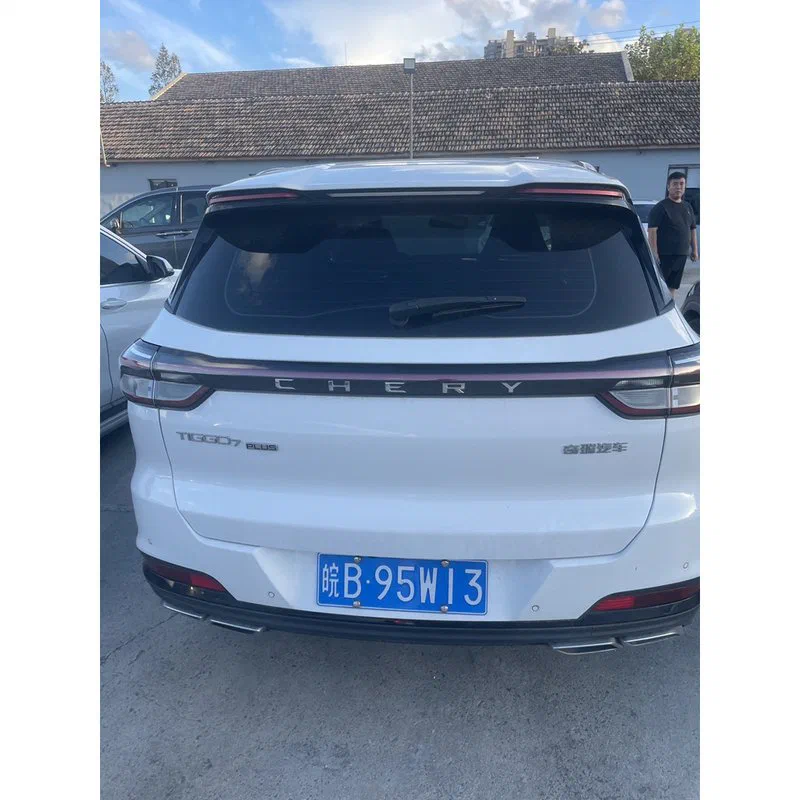
Destination requirements must also be checked before purchase. Ghana, Nigeria, Kenya, Uganda, and Tanzania each have their own import rules covering vehicle age, emissions, roadworthiness, and registration procedures. Most Chinese domestic vehicles are left-hand drive, so buyers in markets with different driving-side requirements need to confirm compatibility before sourcing. Current rules should be checked with local authorities or import partners because requirements can change.

Shipping methods and delivery handling
Used vehicles from China are commonly shipped by RoRo or container transport. RoRo shipping is designed for vehicles that can be driven on and off the vessel, often providing a practical option for larger export volumes. Container shipping allows vehicles to be protected inside a sealed unit and can suit individual vehicles or buyers who need additional cargo protection, although loading arrangements and costs may differ.
The choice between RoRo and container shipping depends on factors including destination port services, vehicle type, shipment size, and budget planning. RoRo handling can reduce some loading complexity, while container shipping may provide more control over vehicle protection during ocean transport. Both methods require proper preparation, including securing the vehicle, checking fuel levels according to shipping rules, and completing port documentation.
After arrival at the destination port, local customs clearance and registration procedures begin. Importers normally arrange payment of applicable charges, document submission, inspection steps required by local authorities, and vehicle collection. Shipping lead times vary by route, port schedule, customs process, and document readiness. Exporters usually provide estimated timelines rather than fixed delivery dates.
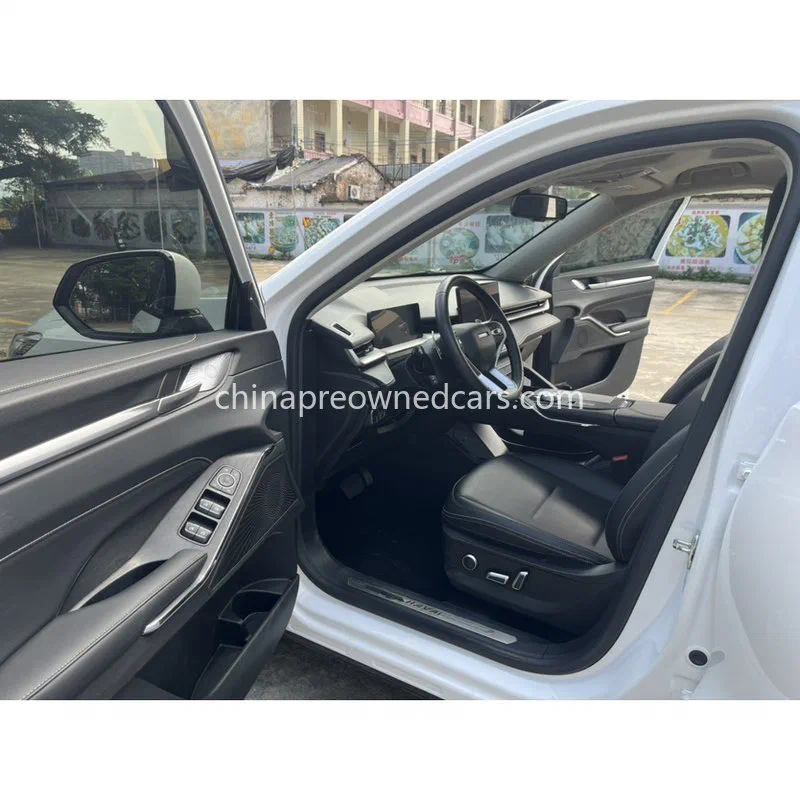
For African markets, after-sales planning is part of the vehicle selection process. Buyers should consider access to spare parts, local repair capability, and technical support for the chosen model. Chery Tiggo 7 Plus, Chery Tiggo 8 Pro, Geely Coolray, and Haval H6 may have different levels of parts availability depending on the country. Electric vehicles also require attention to charging access and battery service capability.
A careful export purchase starts with verification before payment. Buyers should review the vehicle specification, inspection information, export documents, shipping method, and destination import requirements. Payment terms should be clearly defined between the exporter and buyer, while communication records and document copies help reduce misunderstandings during international transactions.
FAQ
Q: What documents are normally needed for exporting used cars from China? A: Common export documents include customs declaration documents, bill of lading, commercial invoice, and certificate of origin where applicable. Additional documents depend on export procedures and destination requirements.
Q: Are Chinese used electric SUVs suitable for African markets? A: Models such as BYD Atto 3 can be considered where charging infrastructure and technical support are available. Buyers should verify battery health, local service options, and import requirements before purchase.