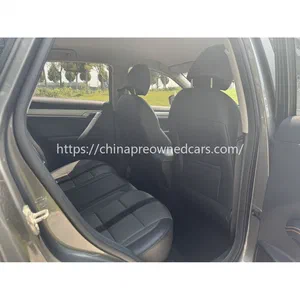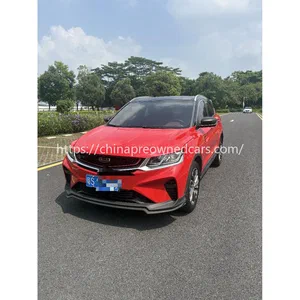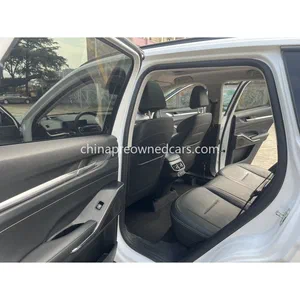

The Haval H6 is a mid-size SUV worth evaluating for used vehicle buyers in Ghana, Nigeria, Kenya, Uganda and Tanzania, particularly where ground clearance, cabin cooling and maintenance access influence ownership costs. For buyers comparing a used car 7k budget with the cost of importing a larger SUV, the key questions are the vehicle’s model year, powertrain, condition and landed cost rather than its advertised price alone.
Haval H6 specifications and suitability for African roads
The Haval H6 has been sold in multiple generations and configurations, so specifications must be checked against the individual vehicle’s model year and market version. Petrol variants commonly use turbocharged engines paired with automatic transmissions. Depending on the generation, buyers may encounter different engine capacities, transmission types and front-wheel-drive or all-wheel-drive configurations. Fuel consumption varies with engine, load, traffic and road conditions; a seller’s stated figure should be treated as a reference rather than a guaranteed operating cost.
Ground clearance is important on uneven roads, speed bumps and unpaved routes. The H6’s SUV body gives it a more practical profile for these conditions than a low-slung passenger car, but it is not a substitute for a dedicated off-road vehicle. Buyers should check the actual clearance, underbody condition, suspension travel and tyre specification. Front-wheel-drive versions may suit predominantly paved urban routes, while all-wheel drive can provide additional traction where the specific version supports it. Neither configuration eliminates the need to inspect the suspension and tyres before shipment.
Cabin air conditioning is another priority in hot climates. During inspection, run the system long enough to assess cooling performance at idle and while driving, where possible. Check the blower across its settings, listen for unusual compressor noise and inspect for signs of previous repairs. Confirm that engine cooling fans operate correctly and that coolant condition is acceptable. A vehicle that cools well during a brief demonstration may still have an intermittent fault, so an independent inspection is useful.
Condition grading and checks before export

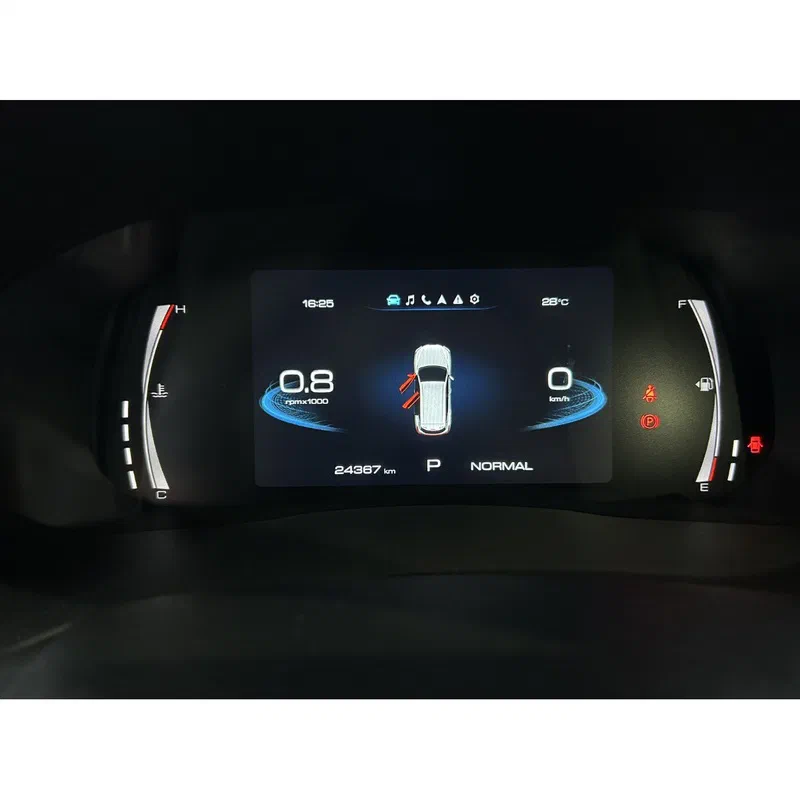
Used H6 units should be assessed individually rather than assigned a quality level based on the model name. A practical grading report can distinguish cleaner vehicles with limited visible wear from units showing substantial cosmetic damage or requiring mechanical work. The grading criteria should be agreed in advance, with photographs and written findings supporting the description. Mileage should be checked against available service records, diagnostic data and wear on the steering wheel, pedals and seats. None of these checks alone proves the full vehicle history.
Mechanical inspection should cover the turbocharger and associated hoses, engine oil leaks, transmission engagement, suspension joints, wheel bearings, brakes and steering components. Test for warning lights and scan the vehicle for stored diagnostic codes. Inspect the body for accident repairs, uneven panel gaps, corrosion and paint differences. On higher-mileage vehicles, pay particular attention to suspension noise and transmission behaviour during both cold and warm operation. Request the VIN, registration or ownership documentation available for export, service history where available, and a pre-shipment inspection report before final payment. The report should identify defects rather than simply label the vehicle as good condition.
Parts access also deserves attention. Haval vehicles have a presence in some African markets, but availability of H6-specific components and qualified technicians varies by country and city. Before buying, check local access to filters, brake components, suspension parts, electronic sensors and transmission-related service. Compare this with alternatives such as the Chery Tiggo 7 Plus, Chery Tiggo 8 Pro and Geely Coolray. A broader model range does not automatically mean better parts support; the local distributor network and the exact generation matter more.
Export configuration, compliance and landed cost
Most Chinese domestic-market vehicles are left-hand drive. Buyers in Ghana, Nigeria, Kenya, Uganda and Tanzania should confirm whether the specific vehicle configuration is eligible for import and registration under current local rules. These markets have different requirements concerning vehicle age, emissions, roadworthiness and documentation, and policies may change. Emission compliance should be verified using the vehicle’s records and applicable destination rules rather than inferred from its model year or engine type.
China-side export procedures generally involve confirming export eligibility and licensing, preparing sales and vehicle documents, completing customs declaration and arranging the required pre-shipment inspection. Shipping may be arranged through roll-on/roll-off (RoRo) service or container transport. RoRo is often suitable for operational vehicles, while container shipping may offer different handling and protection arrangements, depending on the booking. The appropriate method depends on the vehicle, route, carrier availability and total logistics cost.
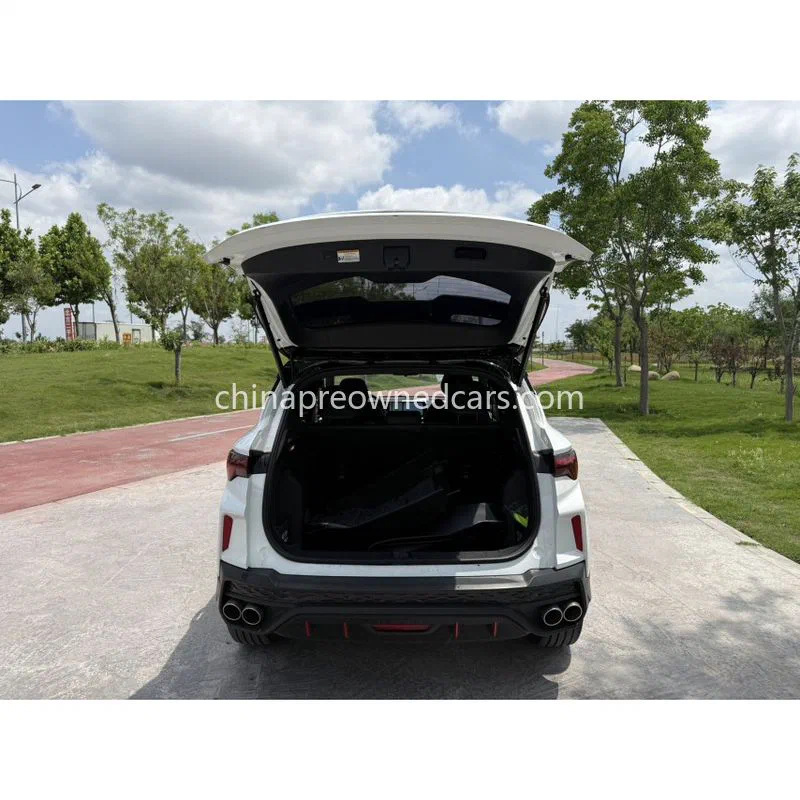
A reliable landed-cost calculation includes the vehicle price, inland transport in China, inspection and documentation charges, export handling, ocean freight, insurance where selected, destination port charges, customs duties and applicable taxes. Obtain a written breakdown of which services the exporter handles and which costs remain payable locally. Shipping schedules depend on vessel availability, routing, port operations and customs processing; a quoted transit estimate is not a guaranteed delivery date. Payment milestones, refund conditions if inspection identifies material discrepancies, and responsibility for after-sales support should be agreed in writing before funds are transferred.
FAQ
Q: Is the Haval H6 suitable for rough roads in Africa?
A: It can suit mixed urban and unpaved-road use when ground clearance, tyres, suspension and underbody condition are appropriate. It is not a dedicated off-road vehicle, and heavily damaged roads require careful route assessment.
Q: What should buyers inspect on a used Haval H6 before export?
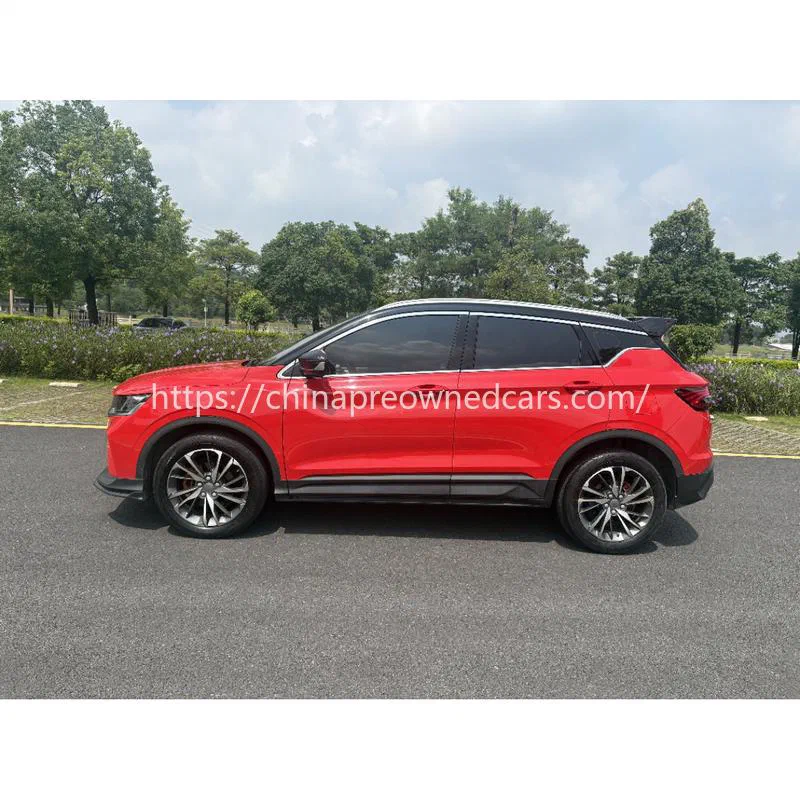
A: Check the engine, turbocharger, transmission, suspension, cooling system, air conditioning, diagnostic codes, accident repairs and available service records. Request a VIN check and a documented pre-shipment inspection.
Q: Can a Chinese-market Haval H6 be imported into Ghana, Nigeria, Kenya, Uganda or Tanzania?
A: Eligibility depends on the destination’s current rules for vehicle age, emissions, steering configuration, roadworthiness and import documentation. Confirm the applicable requirements with local customs or a qualified clearing agent before purchase.